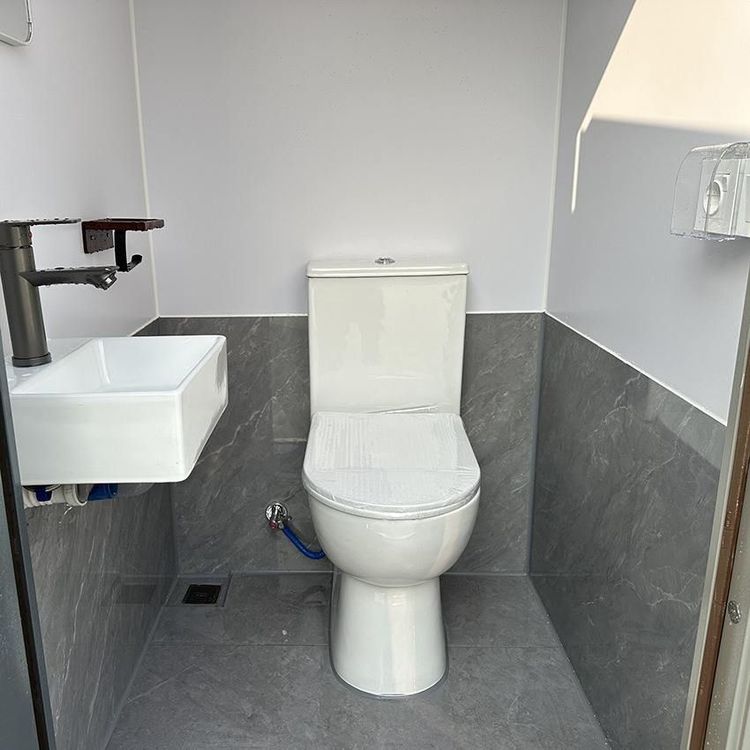
PE Injection-Molded Product Portable Toilet
PE injection-molded product portable toilets are portable sanitation facilities made primarily of polyethylene (PE) through injection molding processes, featuring lightweight, durability, and ease of maintenance, suitable for temporary or short-term use scenarios.

Material Characteristics and Advantages
PE (polyethylene) is a thermoplastic resin with characteristics such as corrosion resistance, impact resistance, moisture and rust prevention. Compared to traditional stainless steel or wooden portable toilets, PE material is lighter, facilitating easier transportation and installation, and is less affected by environmental humidity, resulting in a longer service life. Its smooth surface makes it less prone to stain adhesion, reducing cleaning and maintenance costs and meeting environmental protection requirements.
Production Process Flow
- Mold Design: Design the mold structure according to product requirements to ensure airtightness and durability. Mold precision directly affects the quality of the finished product, with processes like 'one-piece injection molding' avoiding joint gaps and enhancing structural strength.
- Injection Molding: Heat PE pellets to a molten state and inject them into the mold under high pressure, cooling to form various components of the toilet (such as the bucket and box). This process requires strict control of temperature and pressure to ensure stable component dimensions.
- Assembly and Debugging: Assemble the molded components with functional modules such as door locks, ventilation systems, and drainage devices, and conduct airtightness tests to ensure safe use.
Application Scenarios
PE injection-molded portable toilets are suitable for short-term or temporary needs, such as construction sites, outdoor music festivals, temporary markets, and tourist attractions. Their modular design allows for rapid deployment without complex foundation construction, making them suitable for complex terrains or frequently moved scenarios.
Environmental Protection and Intelligent Upgrades
With increasing environmental protection requirements, some high-end products use recyclable PE materials and are equipped with solar power systems and water-saving flushing devices to reduce energy consumption and water waste. For example, solar panels can power lighting and ventilation systems, and water-saving technology can reduce the amount of water per flush to one-third of that of traditional toilets.
Limitations
PE material has poor heat resistance and may deform when exposed to high temperatures for extended periods; prolonged ultraviolet exposure may cause surface aging, which can be improved by adding UV-resistant additives. Additionally, its load-bearing capacity is limited, making it unsuitable for use as permanent structures.
In summary, PE injection-molded portable toilets, with their material advantages, process efficiency, and environmental protection characteristics, have become the mainstream choice for temporary sanitation facilities and will develop towards lighter weight and greater intelligence in the future.