PC Concrete Prefabricated Panel House: New Building Materials
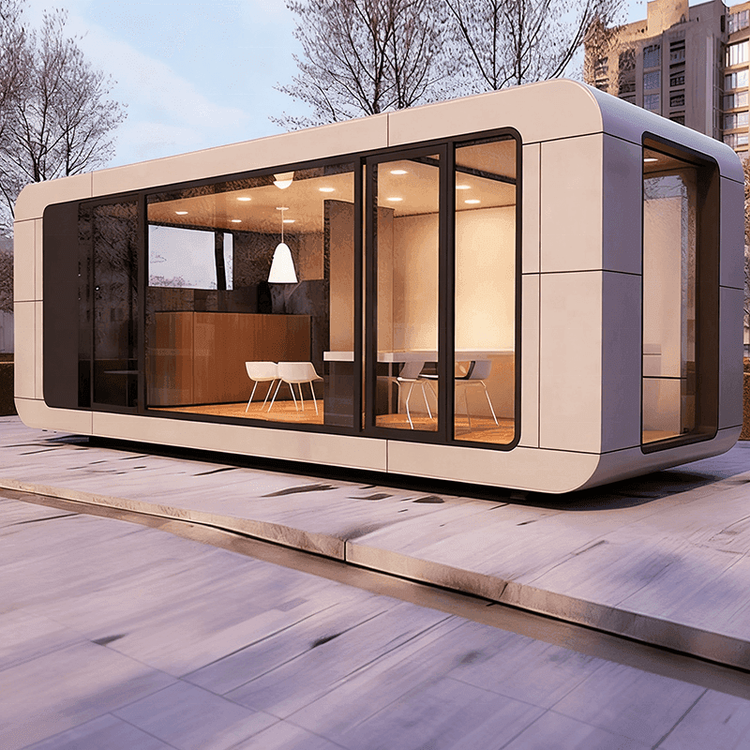
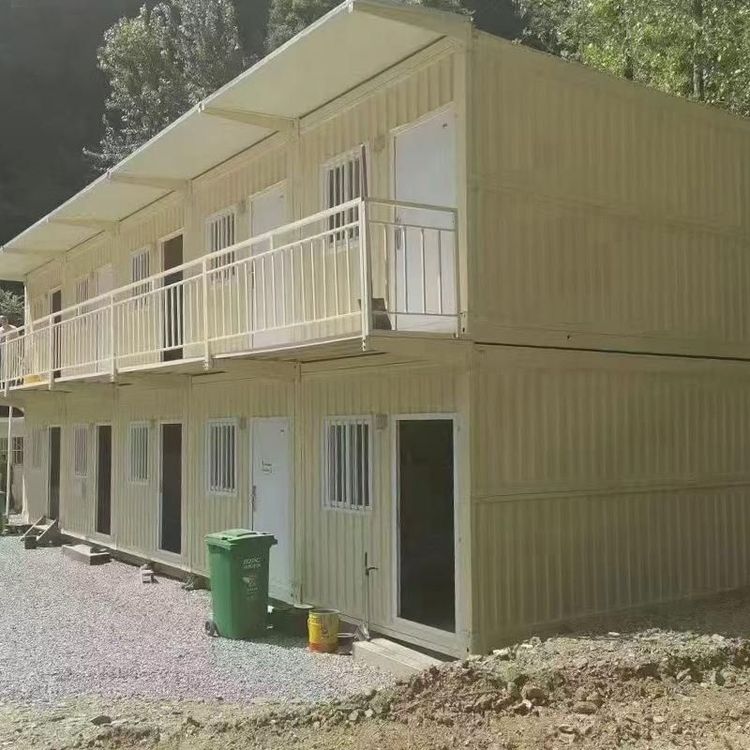
The new building materials used in PC concrete prefabricated panel houses are prefabricated assembly-type materials centered around reinforced concrete panel components, offering significant advantages in efficiency, environmental protection, and cost-effectiveness.
I. Types and Characteristics of PC Concrete Prefabricated Panels
PC (Prefabricated Concrete) prefabricated panels are standardized building components produced in factories, including mainly PC wall panels (such as single-sided composite, double-sided composite, and fully prefabricated types) and industrialized finished wall panels. Their core feature is the pre-casting of walls, floor slabs, and other components in the factory, which are then transported to the construction site for direct assembly, similar to the assembly mode of "LEGO bricks". This production method eliminates reliance on traditional on-site pouring, achieving building industrialization and modularization.
II. Core Advantages of New Building Materials
Cost and Schedule Optimization
- Reduced Labor Costs: Standardized factory production can save approximately 30% in labor costs, reducing on-site construction manpower.
- Significantly Shortened Construction Period: Integrated prefabricated panels can halve the construction period. For example, a project that would take one year with traditional pouring might only take six months with prefabricated assembly, allowing users to move in earlier.
- High Quality Control: The factory environment avoids common issues in on-site pouring, such as cement leakage and dimensional deviations, resulting in higher component precision.
Environmental Protection and Sustainability
- Improved Material Utilization: Factory production reduces on-site material waste, and prefabricated components can be recycled and reused.
- Energy Conservation and Emission Reduction: Digital technology optimization in design (as applied by Hunan Guiting Residential Industrial Group) reduces energy consumption and carbon emissions during construction.
Design Flexibility
- Prefabricated panels support diverse designs, meeting the needs of different architectural styles. Simultaneously, digital technology allows for the pre-simulation of assembly details, reducing on-site adjustments.
III. Usage Considerations
- Concrete Strength and Curing: Prefabricated panels require sufficient curing time to enhance strength, avoiding structural safety hazards caused by insufficient curing.
- Transportation and Installation Specifications: Components must be protected from collisions during transportation. Installation must strictly adhere to design standards to ensure secure connection nodes.
IV. Typical Enterprises and Technological Applications
Enterprises such as Hunan Guiting Residential Industrial Group optimize the production process of prefabricated components through digital technology, achieving design standardization, production automation, and installation precision, further enhancing the construction efficiency and quality of PC concrete prefabricated panel houses.
PC concrete prefabricated panel houses represent the direction of the construction industry's transformation towards industrialization and green development, with significant advantages in cost, schedule, and environmental protection. However, strict control over production and construction specifications is essential to ensure safety.