
Queue for Mobile Toilets in Parks
The phenomenon of queues for mobile toilets in parks is common, especially during holidays or when there is a large influx of people. The issue of women queuing for toilets is particularly prominent, and various measures can be taken to alleviate it.
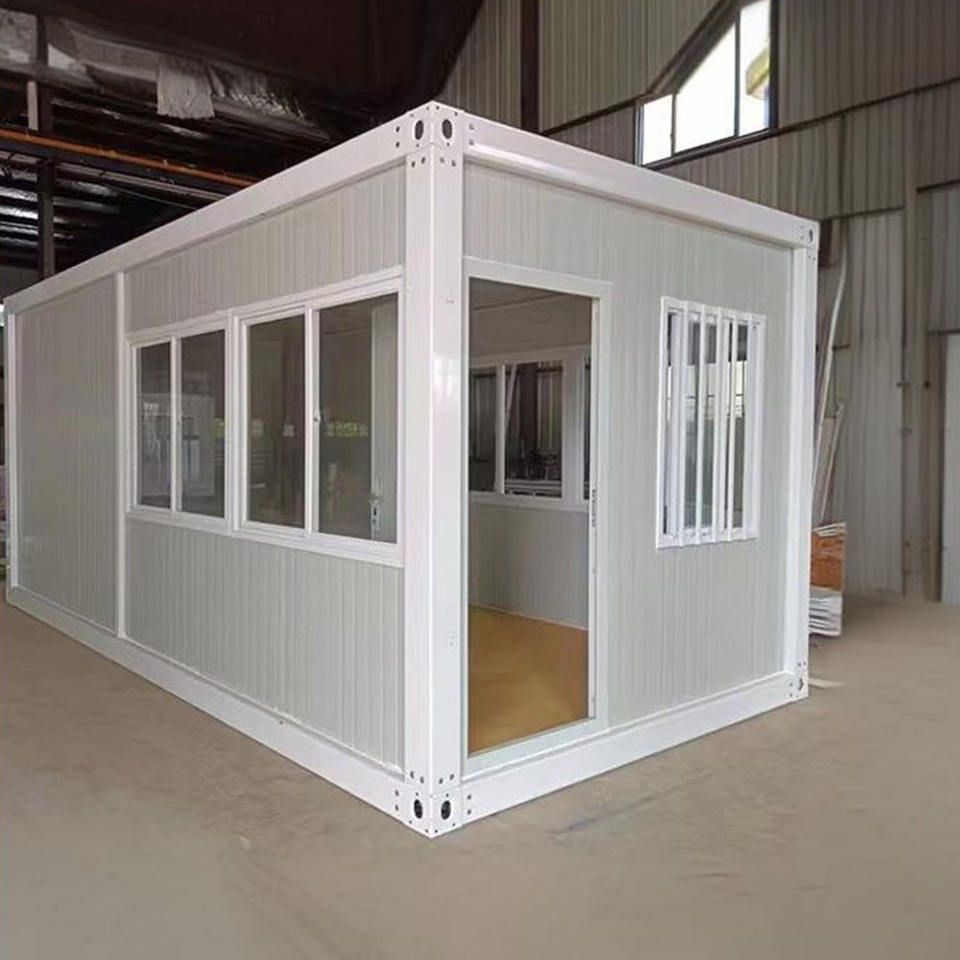
Tidal Toilets: Install lockable sliding doors or movable signboards between male and female toilets to create a universal toilet area that can be connected bidirectionally. Adjust the allocation of toilet stalls dynamically based on real-time foot traffic. Since Shenzhen began piloting this approach in 2023, six tidal public toilets have been built in Nanshan District, effectively optimizing the efficiency of toilet stall usage. After the tidal toilets were put into use at Qinghai Heidushan Scenic Area, the waiting time for women to use the toilets was reduced from more than 30 minutes to less than 10 minutes, significantly improving the toilet-using experience.
Increasing Toilet Stalls: Some parks have increased the number of toilet stalls by renovating and expanding public toilets. For example, Huaiyin Park transformed its original mobile public toilet with six squatting stalls into one with eight stalls and added a third toilet and a children's sink, alleviating the pressure on toilet usage. Increasing the number of toilet stalls can directly enhance the reception capacity of public toilets and reduce the waiting time for visitors.
Smart Toilet Guidance System: Some parks have installed smart toilet guidance systems, allowing visitors to check the availability of toilet stalls in real-time on large screens at the toilet entrances, reducing queuing time. This system improves the transparency of toilet stall usage through technological means, enabling visitors to arrange their toilet-using time more reasonably and avoid unnecessary waiting.
Optimizing Toilet Stall Ratios: According to the 'Urban Public Toilet Design Standards' issued by the Ministry of Housing and Urban-Rural Development, the ratio of female to male toilet stalls in areas with high foot traffic should be 2:1. However, a large number of public toilets have not yet met this standard in actual planning and construction. Some parks have alleviated the queuing issue for women by adjusting the ratio of toilet stalls. Optimizing the ratio of toilet stalls can allocate toilet resources more reasonably and meet the actual needs of visitors of different genders.



