
Park Mobile Toilet Project
The park mobile toilet project encompasses the construction of various types of mobile toilets and related facilities to meet the needs of different scenarios.
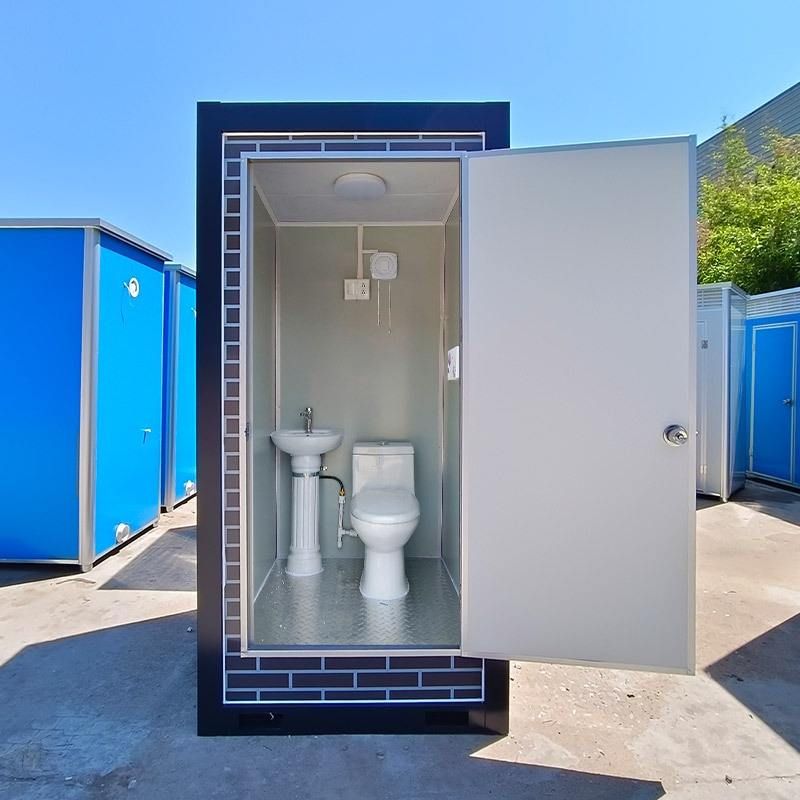
Common Types of Mobile Toilets
- Waterless Packaging Mobile Toilets: These do not require a water source and handle waste through packaging, making them suitable for water-scarce areas or temporary event venues.
- Foam-Sealing Mobile Toilets: They utilize foam to seal odors and reduce water consumption, combining environmental protection with water-saving features.
- Water-Flushing Mobile Toilets: These rely on traditional water-flushing methods for cleaning and require connection to water supply and sewage networks, making them suitable for areas with well-developed infrastructure.
- Solar-Powered Mobile Toilets: They integrate solar power systems to reduce energy consumption and are suitable for scenarios with ample sunlight and a need for energy conservation.
Advantages of Prefabricated Toilets
Prefabricated toilets adopt a "factory prefabrication, on-site assembly" model, significantly shortening the construction period. On average, it takes only 3-5 days from foundation construction to overall hoisting for a standardized prefabricated toilet. High-end products use biodegradation technology, eliminating the need for connection to water supply, sewage, and drainage networks. This solves the site selection challenges faced by traditional toilets in "network-free" areas such as remote scenic spots while reducing environmental impact.
Design Concept of Tidal Toilets
Tidal toilets feature lockable sliding tidal doors between male and female toilets, creating a universally accessible toilet area that can be connected bidirectionally. Management personnel can adjust toilet allocation based on actual needs, effectively alleviating the problem of women queuing for toilets. Some tidal toilets are also equipped with negative pressure exhaust systems to quickly remove odors and improve air quality. They include third toilets to meet the needs of special groups, such as parents with children or individuals with mobility impairments, further optimizing the user experience.
Development Trends of Smart Toilets
Smart toilets integrate various sensor networks internally, converting public health management elements into continuous, quantifiable data streams. Through data analysis and prediction, they achieve an evolution in decision-making logic from passive response to proactive intervention. For example, they can monitor toilet occupancy, air quality, and water and electricity consumption in real-time, providing early warnings for maintenance needs. When connected to the internet, smart toilets can be integrated into a wide-area management platform, enabling regional collaborative management, improving service efficiency and user experience, and promoting the development of park mobile toilet projects towards intelligence and refinement.



