
Environmental Protection of Mobile Toilets in Parks
The environmental protection of mobile toilets in parks is reflected in multiple aspects such as materials, water conservation, sewage treatment, and others, with an overall design focusing on resource recycling and ecological protection.
Environmental Protection of Materials
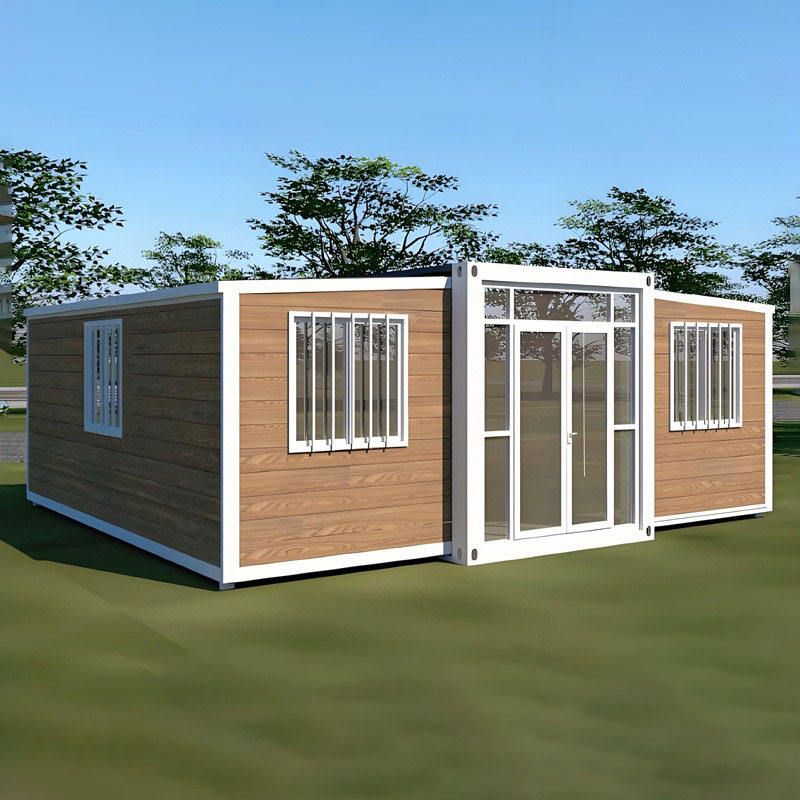
Mobile toilets in parks prioritize eco-friendliness and sustainability in the selection of main materials. Some products use eco-friendly, anti-corrosion wood as the frame material, such as those from Dezhou Hongtu Metal Products Co., Ltd. This type of wood undergoes special treatment, making it resistant to corrosion and insect infestation, with a long service life that reduces resource waste from frequent replacements. The exterior wall materials offer various eco-friendly options, including color-coated steel plates, metal carved panels, stainless steel plates, and aluminum-plastic panels. These materials are not only durable but also have recycling value, aligning with the concept of a circular economy. The design life of the main materials is typically long, further reducing the environmental load during long-term use.
Application of Water-Saving Technologies
Mobile toilets achieve efficient water conservation through multiple technologies. For example, rainwater collection and filtration systems purify natural precipitation for toilet flushing, reducing reliance on municipal water supplies. The secondary toilet flushing technology for handwashing water uses pipeline design to directly channel wastewater from handwashing into the toilet flushing system, enabling secondary utilization of water resources. Smart water-saving ecological toilets automatically collect urine and handwashing water, adding water-saving agents to control each flush to approximately 0.46 liters, significantly lower than traditional toilets. Some mobile eco-friendly public toilets also support water volume adjustment, allowing for low-volume flushing ranging from 0.46 to 1.5 liters based on actual needs, significantly reducing water consumption.
Sewage Treatment Methods
For the treatment of excreta, mobile toilets employ various eco-friendly technologies. Circular water-flushing public toilets are equipped with intermittent aerobic and anaerobic treatment devices, accelerating fecal decomposition through the addition of biological strains and biofilm technology. The treated water can be recycled for flushing, forming a closed-loop system that reduces sewage discharge. Dry-packing public toilets use biodegradable plastic bags to collect excreta, automatically changing bags after use and collecting them for centralized treatment, eliminating the need for water throughout the process and avoiding water pollution risks. Additionally, waterless flushing and foam sealing technologies do not require connection to water supply and drainage pipelines, further reducing dependence on infrastructure and making them suitable for remote or temporary locations.
Other Eco-Friendly Features
The design of mobile toilets also reflects the protection of land resources. They occupy a small area, have a short construction period, and can be repeatedly disassembled and reused, reducing land occupation and material waste associated with traditional public toilet construction. Some products emphasize pollutant self-purification capabilities, such as achieving harmless treatment of excreta through microbial decomposition or physical filtration while promoting resource recycling. For example, the ecological toilets promoted during the fourth public toilet revolution integrate multiple eco-friendly technologies, achieving zero pollutant discharge and efficient resource utilization, making them a green choice for parks and other public spaces.



