
Park Mobile Toilet Design
The design of park mobile toilets should focus on modularity, user-friendliness, environmental protection, and durability. The key points are as follows:
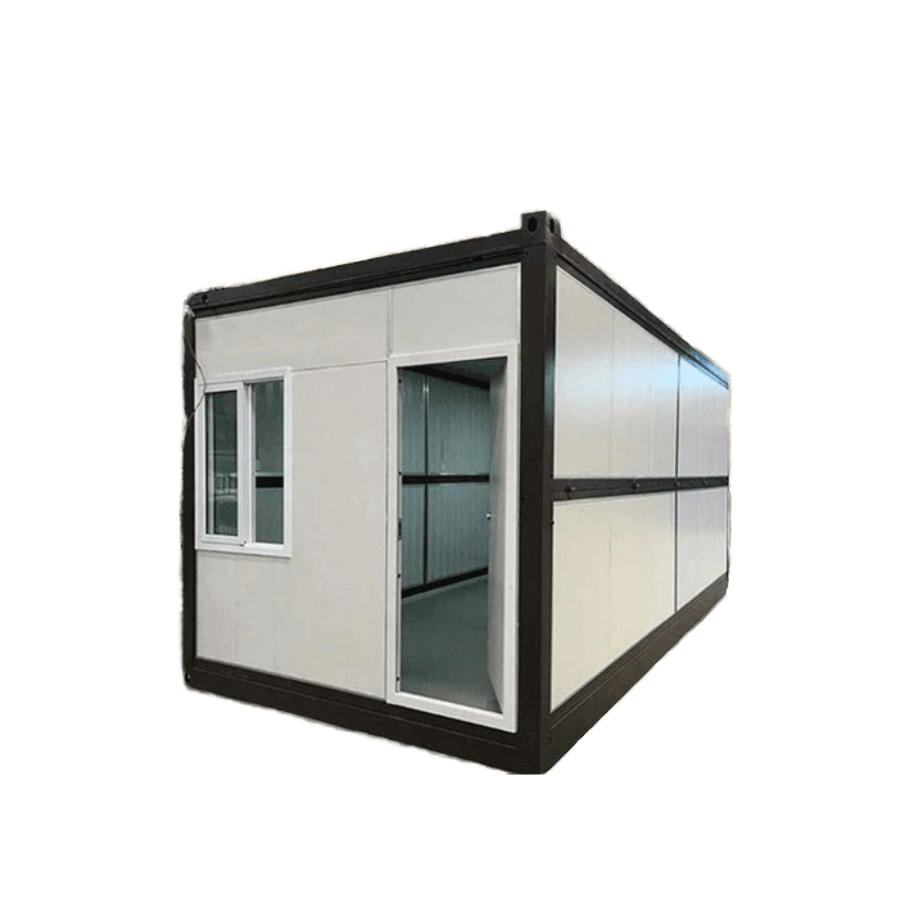
1. Structural Design and Functional Configuration
The main body adopts a steel frame structure, with an outer layer covered in metal carved panels, combining strength and weather resistance to withstand wind and rain erosion without fading easily. The interior space is divided into independent toilet compartments according to demand, equipped with standard squat or sit toilets, sinks, exhaust fans, and ceiling lights. High-end models include additional five-hole sockets and distribution boxes. Window sizes and opening methods can be customized to balance ventilation and privacy needs; modular design supports height and area adjustments to accommodate narrow or open spaces. For example, a double-roof mobile toilet design includes a public handwashing area in the middle, with urinals in the men's toilet and a color-blocked exterior to enhance aesthetics.
2. Environmental Protection and Sewage Disposal Solutions
For scenarios without sewer pipes, regular septic tank cleaning or waterless packaging technology is employed. Waterless packaging ecological toilets automatically package feces using biodegradable film packaging bags, mechanical devices, and waste storage tanks to prevent pollution; high-pressure water-air flushing and foam sealing toilets reduce resource consumption through water-saving technologies. For example, mountainous scenic areas with complex terrain and no pipe laying use mobile toilets combined with septic tank cleaning to protect the ecology while meeting demand.
3. Deployment Advantages and Adaptability
No foundation construction is required, enabling rapid deployment via crane or forklift to shorten the construction cycle. The outer layer of metal carved panels provides thermal insulation, mitigating the impact of high summer temperatures and enhancing user comfort. For example, a mobile toilet used 200 times a day can operate continuously for three years without structural deformation, requiring only monthly routine cleaning.
4. Durability and Maintenance Convenience
The steel frame undergoes anti-corrosion treatment, and the metal carved panels are coated with a weather-resistant layer to resist wind and rain erosion without fading easily. Internal facilities adopt integrated molding processes to reduce gaps where dirt can accumulate, facilitating cleaning; exhaust fans and ceiling lights are optimally arranged to ensure air circulation without dead zones.
5. Balancing Customization and Standardization
Customization of appearance, such as color, size, and opening method, is supported, but core functional modules adhere to unified standards (e.g., toilet compartment width of 0.9 meters, height of 2.2-2.8 meters). Distribution box layouts comply with national electrical safety regulations, balancing cost and safety. Materials can be selected from color steel plates, metal carved panels, and anti-corrosion wood, with an applicable temperature range of -30℃ to 40℃.



