
Park Mobile Toilet Construction
The construction of mobile toilets in parks requires comprehensive consideration of various factors such as type, material, design principles, functional features, and manufacturer selection.
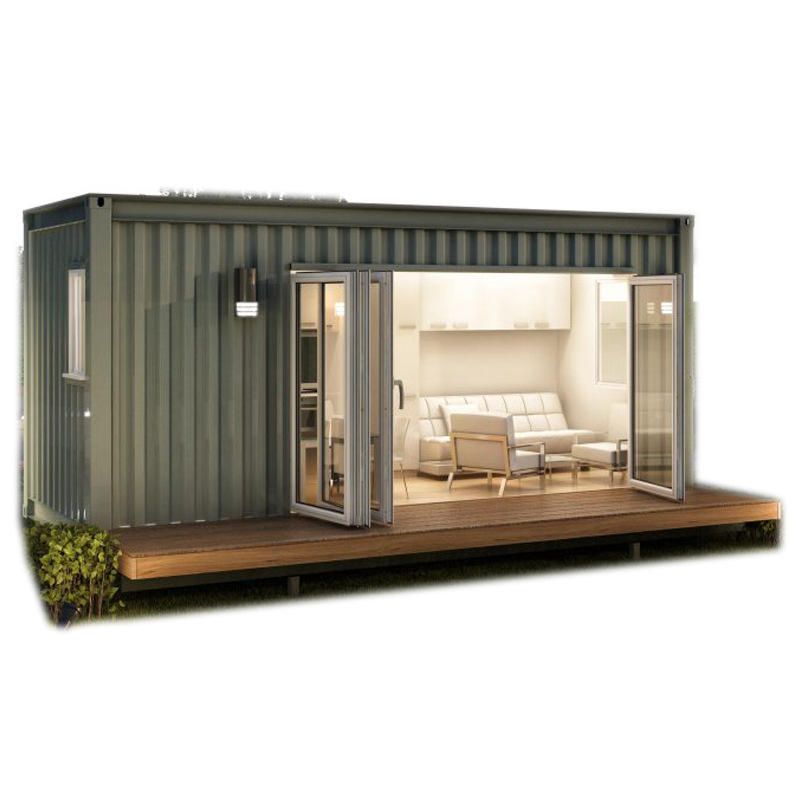
Type Selection: Mobile toilets come in a variety of types. Based on structural form, they can be divided into single-unit structures and composite structures. In terms of mobility, there are lifting and handling types, as well as powered and towed types. Regarding sewage treatment methods, they include water-flushing, non-water-flushing suction, circulating water-flushing, and dry-packing types. Additionally, there are numerous other options such as waterless packing, foam-sealing, solar-powered, mobile towing, high-pressure air-water flushing, prefabricated integrated, and simple types. Different types are suitable for different scenarios. For example, water-flushing types are suitable for park areas with a water source and convenient sewage disposal, while dry-packing types are suitable for areas with a water shortage or temporary event venues.
Material Composition: Mobile toilets are generally composed of fecal sewage storage tanks (or disposal devices), floor slabs, sanitary ware, walls, washing equipment, water tanks, roofs, and mobility devices. In terms of materials, they have gradually evolved from the initial wood to fiberglass-reinforced plastic (FRP), polyethylene, etc. Some also use steel-structured metal carved panels. Steel-structured metal carved panels are sturdy, durable, and aesthetically pleasing, suitable for long-term use; FRP materials are lightweight and corrosion-resistant, suitable for temporary or frequently moved scenarios.
Design Principles: They should adhere to the principles of mobility convenience, economic durability, environmental protection and ecology, environmental friendliness, efficiency improvement, and humanitarian promotion. The overall structure needs to be lightweight and durable, with controlled height and width, and the mobility device should be complete and reasonable. During the design process, humanized factors should also be considered, such as setting up barrier-free facilities and reasonably arranging the internal space to enhance the user experience.
Functional Features: Mobile toilets have the advantages of mobility, combinability, and convenient transportation, and can be reused repeatedly. Some special designs, such as foam-sealing toilets, use intelligent foam water-saving sanitary ware, achieving significant water-saving effects. The concept of tidal public toilets can also be applied. By setting up tidal doors to dynamically switch the usage rights of toilet stalls, it can alleviate the problem of women queuing for toilets, and the transformation is simple and low-cost.
Manufacturer Selection: For example, Henan Qiantong Environmental Protection Equipment Co., Ltd. provides various types of mobile toilet construction services, with a wide range of product specifications and customizable processing. Dezhou Hongtu Metal Products Co., Ltd.'s mobile toilets can be customized in color, and the wall panels are spliced with Great Wall panels and metal carved panels, with a reasonable design. When selecting a manufacturer, factors such as product quality, after-sales service, and price need to be considered.



