
Images of Mobile Toilets for Paralyzed Individuals
Currently, we cannot directly provide images of mobile toilets for paralyzed individuals, but we can offer a scientific explanation of their design features, functions, and applicable scenarios.
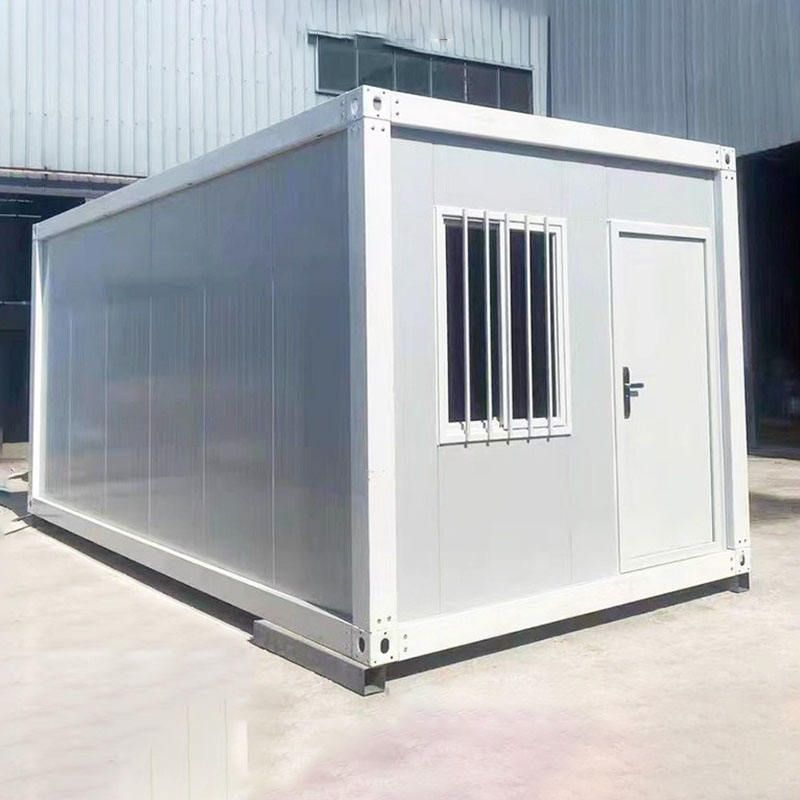
Design Features
The core design of mobile toilets for paralyzed individuals revolves around "barrier-free access" and "safety." Their structures typically employ lightweight materials (such as aluminum alloy or high-strength plastic) for easy mobility and installation. The interior space is more spacious than that of ordinary toilets to accommodate wheelchair rotation (with a diameter generally not less than 1.5 meters). The door width is usually designed to exceed 90 centimeters, facilitating wheelchair access, and employs either swing or sliding doors to avoid occupying external space when opened outward.
Regarding internal facilities, the toilet height is adjustable (approximately 45-50 centimeters) to accommodate users of different heights. Foldable handrails are installed on both sides to assist users in standing up or maintaining balance. Some models also integrate emergency call buttons connected to guardians or caregivers to ensure timely response in emergencies. Additionally, the floor is made of non-slip materials (such as non-slip tiles or rubber mats) and equipped with drainage channels to prevent slipping risks caused by water accumulation.
Functional Adaptability
In response to the physiological characteristics of paralyzed individuals, the toilet design emphasizes stability and comfort. For example, the toilet seat may be widened to distribute pressure and reduce discomfort during prolonged use. Some high-end models are equipped with automatic flushing and warm air drying functions to reduce user operational difficulty. Meanwhile, the toilet interior may reserve space for portable urinals or bedpans to meet the needs of different usage scenarios.
Applicable Scenarios
Mobile toilets for paralyzed individuals are widely used in households, medical institutions, and public places. In households, they can serve as temporary or long-term solutions, preventing users from reducing their activity range due to toilet difficulties. In medical institutions, they can be used for transitional use by patients during postoperative recovery. In public places (such as parks and shopping malls), they serve as supplementary barrier-free facilities to enhance social inclusivity.
Purchase Recommendations
To obtain specific product images or model information, it is recommended to use the following approaches:
- Medical Equipment Suppliers: Contact enterprises specializing in the production of barrier-free facilities to obtain product catalogs or official website links.
- E-commerce Platforms: Search for "barrier-free mobile toilets" on platforms like JD.com or Taobao to filter models that meet your needs.
- Offline Exhibition Halls: Some cities have barrier-free facility experience centers where you can observe product details in person.
By using these methods, you can gain a more intuitive understanding of product appearance and functions to inform your selection.



