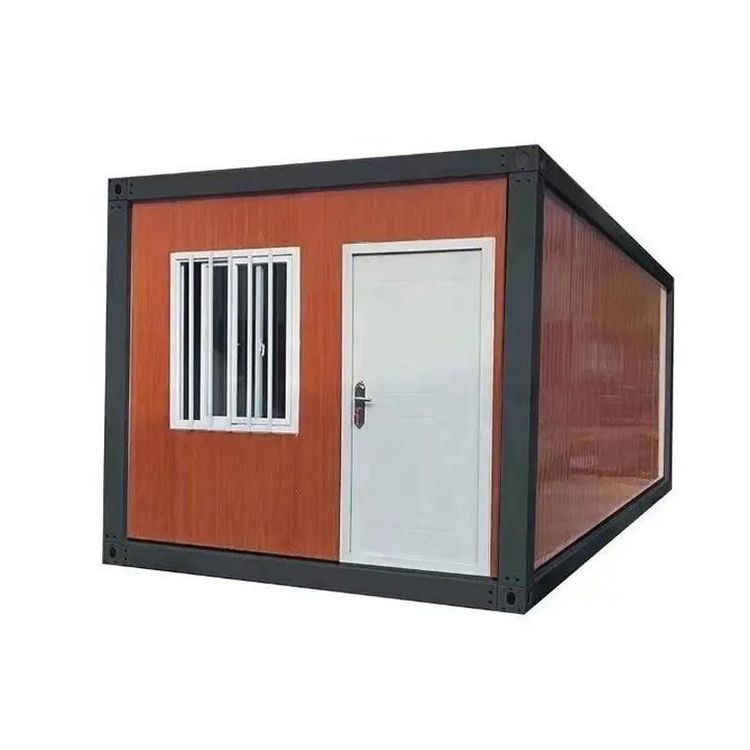
Panzhihua Prefabricated Panel House Reinforcement
Reinforcement of prefabricated panel houses in Panzhihua can be carried out through professional reinforcement services, employing various reinforcement methods and following standardized procedures.

Scope of Reinforcement Services
Agencies providing reinforcement services for prefabricated panel houses in Panzhihua typically cover engineering projects such as overall house reinforcement and concrete structure reinforcement. These services can specifically address issues such as load-bearing structural defects and insufficient seismic performance in prefabricated panel houses, ensuring building safety and durability. The service scope is not limited to the prefabricated panels themselves but also includes the collaborative reinforcement of associated structures such as beams, columns, and walls.
Common Reinforcement Methods
- Carbon Fiber Reinforcement: By utilizing the composite action of high-strength carbon fiber cloth and structural adhesive, the flexural and shear resistance of the prefabricated panels can be enhanced. This method is convenient for construction, has a light self-weight, and is suitable for bottom panel reinforcement or crack repair, especially in scenarios with strict space requirements.
- Steel Plate Bonding Reinforcement: Steel plates are bonded to the surface of the prefabricated panels, forming a composite structure with structural adhesive to significantly increase the load-bearing capacity. This method is suitable for situations where the panel surface load-bearing capacity is insufficient or a substantial increase in stiffness is required, but attention must be paid to rust prevention treatment of the steel plates.
- Rebar Planting Reinforcement: Rebars are implanted at the junctions between the prefabricated panels and beams or columns, and structural adhesive is injected to enhance the reliability of node connections. This method can effectively solve problems such as looseness or disconnection at the splicing points of prefabricated components, improving overall integrity.
- Strengthening Reinforcement: For local damage (such as cracks or holes), high-pressure injection of epoxy resin or filling with high-strength repair materials is used for repair to restore structural integrity.
Standardized Reinforcement Process
- On-site Inspection and Assessment: Professional engineers conduct a comprehensive evaluation of the house structure, including parameters such as panel thickness, concrete strength, and rebar configuration, to identify the location and extent of damage.
- Formulation of Reinforcement Plan: Based on the inspection results and considering the building's usage requirements, targeted reinforcement measures are designed. The plan must specify the reinforcement method, material specifications, construction sequence, and quality control points.
- Standardized Construction: Experienced construction teams implement the plan, including surface treatment, material installation, curing, and maintenance. During construction, key parameters such as ambient temperature and structural adhesive ratio must be strictly monitored.
- Acceptance and Maintenance: After reinforcement is completed, load-bearing capacity tests and appearance inspections are conducted to ensure compliance with design requirements. Regular inspections of the reinforced areas are necessary in the later stage to prevent secondary damage.