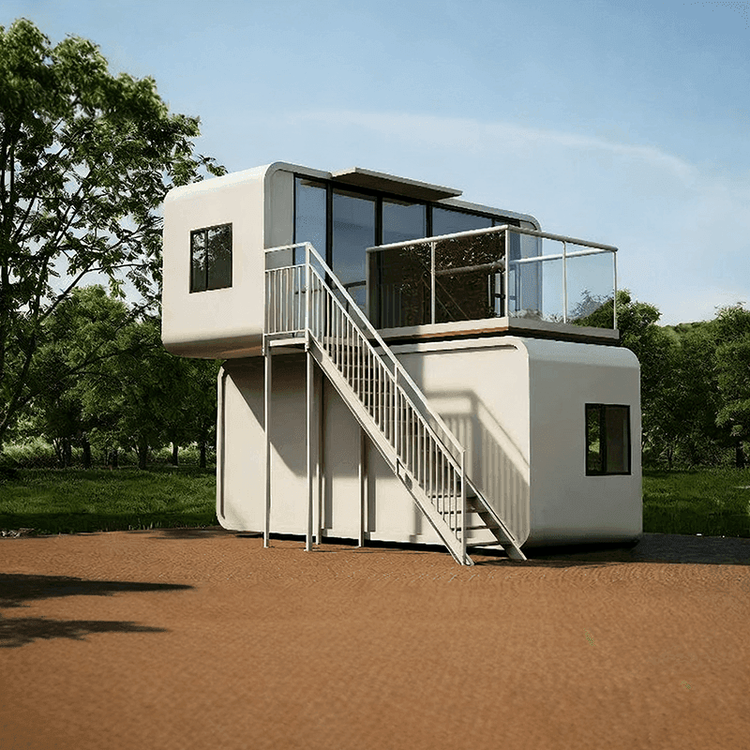
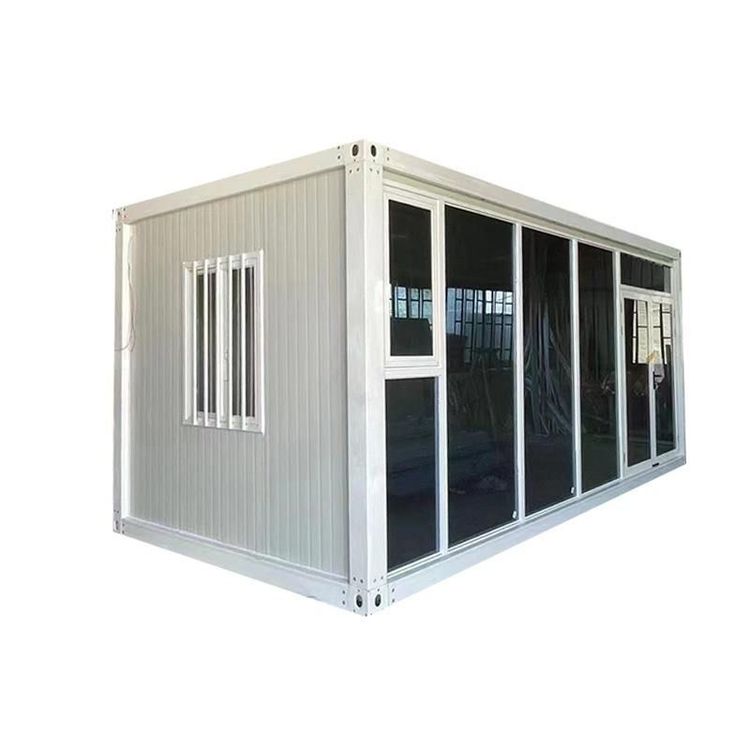
Panjin Stair Prefabricated House Demolition
The demolition of stair prefabricated houses in Panjin requires a comprehensive plan based on the results of housing appraisals, planning conditions, financial capabilities, and resident consultations. While technically feasible, there is no unified policy.

I. Basis for Demolition: Housing Safety Appraisal
The core basis for the demolition of prefabricated houses is the conclusion of the housing safety appraisal. According to relevant governance experience in Panjin:
- Grade D Dangerous Houses: If a house is appraised as Grade D (the load-bearing structure cannot meet safety requirements, and the entire building is at risk), it usually requires demolition and reconstruction, expropriation and renovation, or original demolition and reconstruction. Such houses have a high priority for demolition due to serious safety hazards and may involve government-led renovation projects.
- Grade C Dangerous Houses: If a house is appraised as Grade C (local hazards can be eliminated through engineering measures), reinforcement and repair may be prioritized. However, if the building is severely aged, with concentrated functional defects (such as unreasonable layout and outdated facilities), and residents have a unified willingness for renovation, it can also enter the reconstruction process.
II. Feasibility of Demolition: Professional Teams and Technical Support
There are professional demolition service teams in Panjin that can undertake various demolition projects, including walls, renovations, and factories, covering the demolition needs of stair prefabricated houses. Technically, the demolition of prefabricated houses requires consideration of structural stability, construction waste disposal, and the safety of the surrounding environment. Professional teams have the corresponding qualifications and experience to ensure construction safety and efficiency.
III. Key Influencing Factors for Demolition Plans
- Planning Conditions: Whether reconstruction is allowed after demolition, and the building height/area for reconstruction must comply with local planning requirements.
- Financial Capabilities: The costs of demolition and reconstruction may be subsidized by the government, self-financed by residents, or involve developers. The source of funds directly affects the feasibility of the plan.
- Resident Consultations: If the house is jointly owned by multiple households, it is necessary to unify resident opinions to avoid project stagnation due to disagreements.
IV. Recommended Operational Procedures
- Apply for a Housing Safety Appraisal: Contact the local housing and construction department or a professional institution to determine the danger level of the house.
- Consult the Planning Department: Confirm the land use and reconstruction specifications after demolition.
- Select a Demolition Team: Prioritize enterprises with experience in demolishing prefabricated houses and possessing the necessary qualifications.
- Negotiate Funds and Resident Opinions: Clarify the cost-sharing method and reconstruction plan to ensure the rights and interests of all parties.
Summary: The demolition of stair prefabricated houses in Panjin requires a plan based on safety appraisals, combined with planning, financial, and resident consultation results. While technically feasible, it requires a comprehensive assessment of multiple factors.