
Pangjiazhai Mobile Toilet
No publicly available information directly related to 'Pangjiazhai Mobile Toilet' has been found yet. The following provides a general introduction to mobile toilets, including their common concepts, types, application scenarios, and management points:
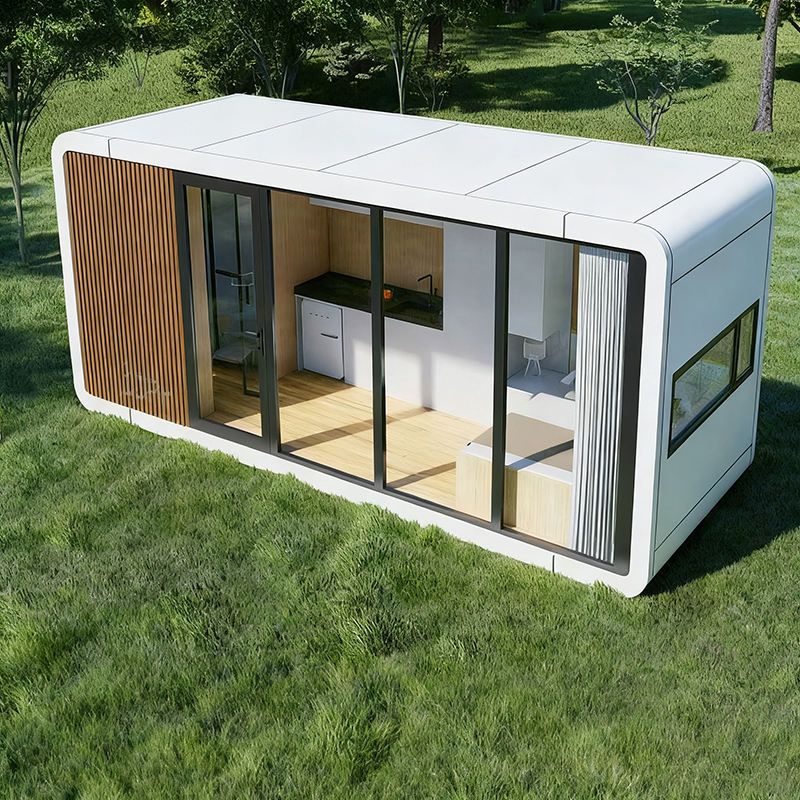
General Concept of Mobile Toilets
Mobile toilets are public sanitation facilities that can be moved and flexibly arranged. They are typically made of lightweight materials (such as metal frames, plastic panels, fiberglass, etc.) and equipped with independent sewage discharge or recycling systems to meet temporary or long-term usage needs. Their core advantages lie in no need for a fixed foundation and the ability for rapid assembly, disassembly, and relocation, making them suitable for scenarios with limited space or requiring frequent position adjustments.
Common Types and Technical Characteristics
Packing-type Mobile Toilets
These toilets collect excrement using biodegradable plastic bags without the need for water flushing, making them suitable for remote areas or temporary events without water and electricity supply. After use, the bags are sealed and replaced regularly by dedicated personnel to prevent odor diffusion.Foam-sealing Mobile Toilets
These toilets use a foaming agent mixed with a small amount of water to form foam that covers the toilet bowl, blocking odors and reducing the amount of flushing water (only 0.2-0.5 liters per flush). They are suitable for areas with scarce water resources or high environmental protection requirements.Microbial Degradation Mobile Toilets
These toilets decompose excrement into harmless substances (such as carbon dioxide and water) through specific microorganisms, achieving zero emissions. They require regular addition of microbial strains and control of temperature and humidity, making them suitable for ecologically sensitive areas or long-term usage scenarios.Water-flushing Mobile Toilets
These toilets are equipped with septic tanks or connected to municipal sewage networks, using water flushing to clean the toilet bowl. They offer higher comfort but require water and electricity support, commonly found in temporary construction sites or large-scale events in cities.
Typical Application Scenarios
- Temporary Events: Such as music festivals, sports events, exhibitions, etc., where a large number of sanitation facilities need to be rapidly deployed.
- Disaster Relief: After earthquakes, floods, and other disasters, providing temporary sanitation guarantees for affected people.
- Tourist Attractions: Supplementing the shortage of fixed toilets in remote scenic spots or tourist concentration areas.
- Urban Renewal: Replacing demolished fixed toilets during old city renovations to ensure basic needs of residents.
Management Points
- Regular Maintenance: Clean the toilet bowl, replenish consumables (such as foaming agents, microbial strains), and check the equipment's operating status.
- Odor Control: Reduce odors through ventilation systems, deodorizers, or biological filters.
- Sewage Disposal: Choose compliant disposal methods according to the toilet type (such as septic tank cleaning, recycling of microbial degradation products).
- Location Selection: Avoid windy areas, low-lying land, and keep away from drinking water sources to ensure usage convenience and environmental safety.
For specific information on mobile toilets in the 'Pangjiazhai' area, it is recommended to obtain detailed data through local municipal departments, sanitation management agencies, or community announcements.



