
Painted Mobile Toilet
The painting standards for the frame of a painted mobile toilet should be formulated in combination with structural materials, anti-corrosion requirements, and process specifications, as detailed below:
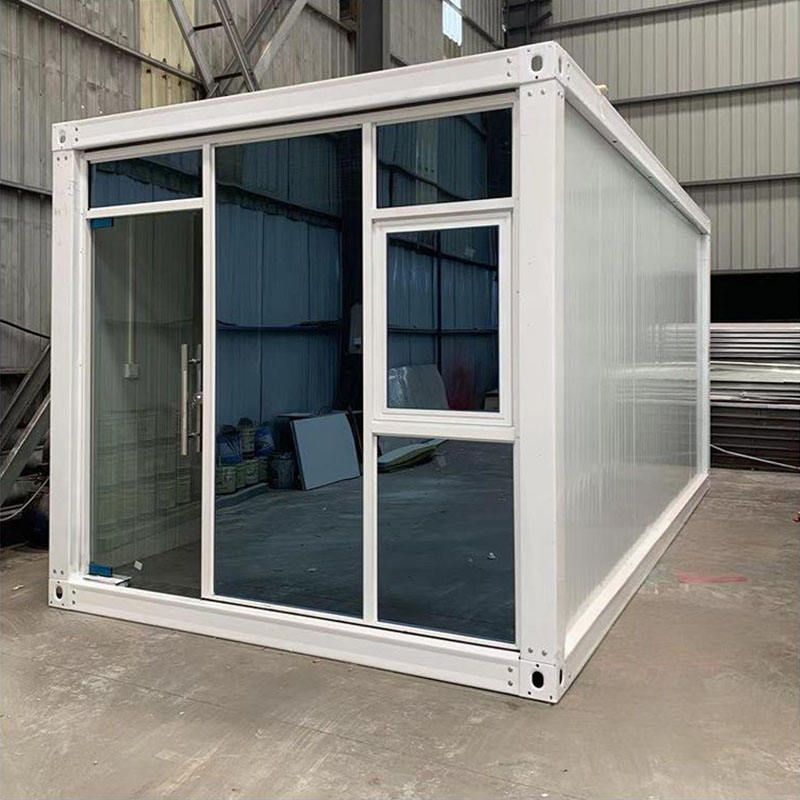
I. Painting Requirements for Steel Structure Frames
The frame of a painted mobile toilet typically employs welded steel structures, such as square tubes, channel steels, and I-beams, which must meet the following standards:
- Pretreatment Requirements: Steel materials must undergo polishing to remove surface rust, oil, and burrs, ensuring coating adhesion.
- Anti-Rust Paint Application: Three coats of anti-rust paint must be applied, with each coat applied only after the previous one has dried, to form a uniform paint film. Welding areas require special attention to ensure no missed spots or overly thin coatings.
- Thickness and Strength Standards: The wall thickness of steel materials must be ≥3mm, and the thickness of the base channel steel must be ≥5mm, to support the overall structure of the toilet and resist external forces.
II. Painting Process Specifications
The painting process must strictly adhere to the process flow to ensure anti-corrosion effects and appearance quality:
- Layered Application: Painting should be completed in three coats, with the interval between each coat adjusted according to environmental humidity (usually 4-8 hours) to avoid sagging or bubbling due to uneven drying.
- Paint Film Thickness Control: The total paint film thickness must meet design requirements (usually ≥80μm) to enhance corrosion resistance.
- Surface Inspection: After painting, the surface must be inspected to ensure no missed spots, sagging, pinholes, or other defects, with repairs or rework performed as necessary.
III. Material Selection and Matching
The matching of frame materials and decorative materials should balance anti-corrosion properties and aesthetics:
- Frame Materials: Primarily galvanized steel or stainless steel. The former isolates corrosive media through a zinc layer, while the latter offers superior corrosion resistance, suitable for high-humidity or coastal environments.
- Decorative Materials: Surfaces can be paired with aluminum-plastic panels, anti-corrosion wood, etc. Aluminum-plastic panels are lightweight and weather-resistant, while anti-corrosion wood enhances a natural texture but requires regular maintenance.
IV. Application Scenarios and Adaptability
The anti-corrosion process for painted mobile toilets is suitable for various environments:
- Temperature Range: Can be used in environments ranging from -40℃ to 50℃, with the paint layer requiring resistance to low-temperature embrittlement and high-temperature aging.
- Type Adaptability: The product design is compatible with various types, such as foam-sealed, microbial, and waterless packing models, meeting different scenario needs.
Brand Case Reference: The painted sentry boxes from Shanxi Jintongchuang Transportation Facilities Co., Ltd. undergo precise testing to ensure coating adhesion and corrosion resistance, remaining free of significant fading or paint peeling after five years of continuous use in Shanxi's extreme temperature variations, serving as a reference benchmark for painting process quality.



