Packing Container House Installation
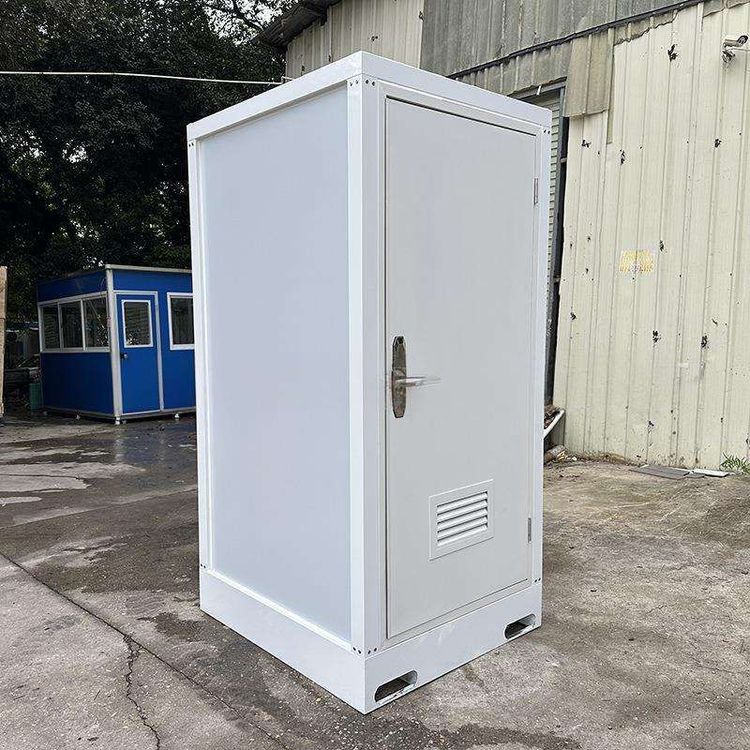
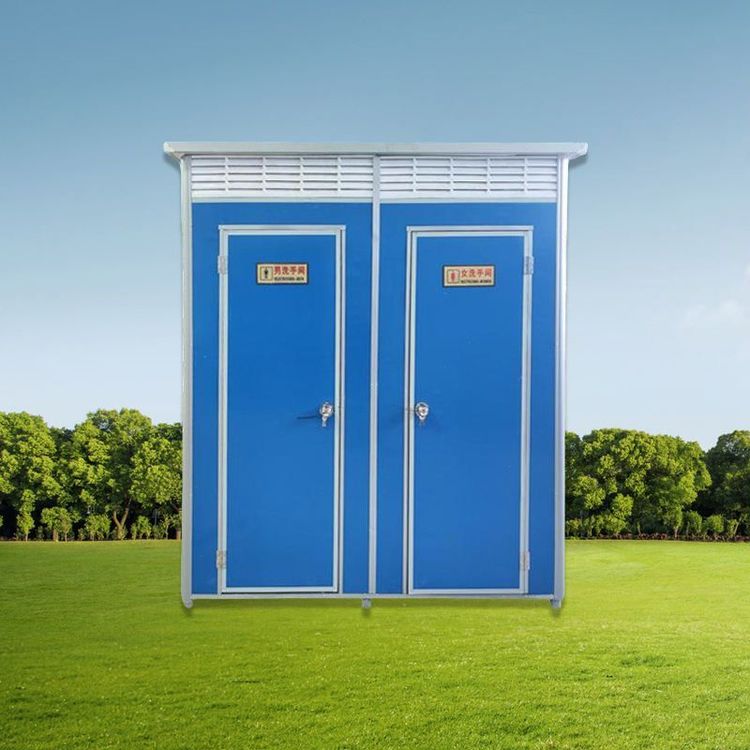
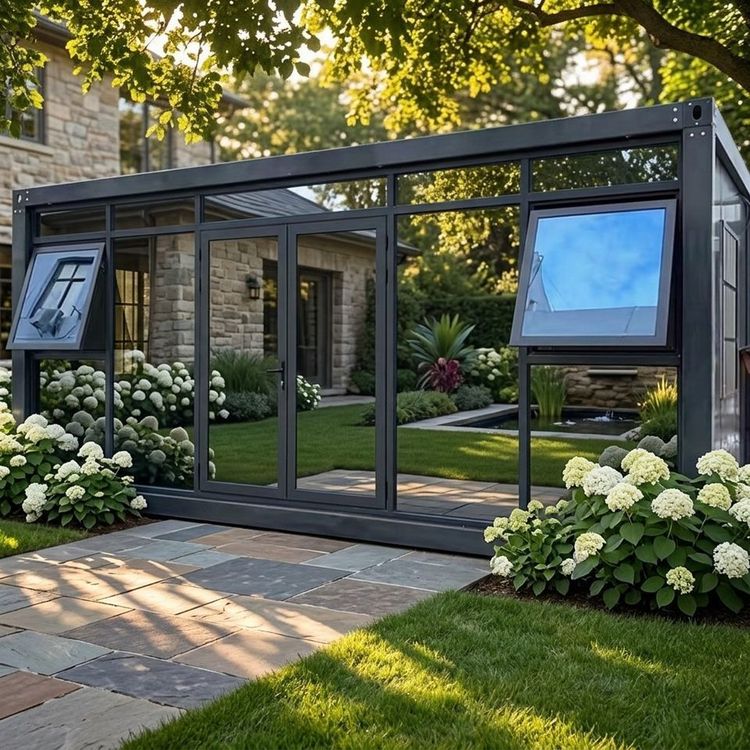
The installation of packing container houses typically includes steps such as foundation preparation, main structure construction, internal facility connection, and acceptance inspection. Its core advantage lies in factory prefabrication and rapid on-site assembly, which can significantly shorten the construction period and reduce construction difficulty.

I. Installation Process and Key Steps
Foundation Preparation
The site needs to be leveled, hardened, or paved with a concrete foundation in advance to ensure that the ground flatness error does not exceed 5mm. For example, the foldable packing container of Hebei Xinheng Integrated Housing Co., Ltd. requires a foundation bearing capacity of ≥150kPa to adapt to special environments such as deserts and extremely cold regions.Main Structure Construction
- Modular Assembly: Independent modules prefabricated in the factory (such as the packing containers of Suzhou Zhongnan) are connected by high-strength bolts or welding to form an overall framework. This type of structure can withstand wind speeds of up to 12 levels and earthquakes of up to 8 levels, with a framework deformation rate of less than 0.2%.
- Folding Container Unfolding: The Z-shaped foldable packing container adopts hydraulic or mechanical unfolding technology, allowing a single person to complete the unfolding of a single container within 30 minutes. The transportation volume is compressed to one-third of that of a traditional container, reducing logistics costs.
Internal Facility Connection
The modules are already integrated with water and electricity pipelines, doors and windows, ceilings, and other facilities. On-site, only the connection of external water and electricity interfaces and equipment debugging are required. For example, the North American modular houses of China Construction Steel Structure complete 80% of the processes in the factory and can be directly occupied after on-site assembly.Acceptance Inspection and Reinforcement
It is necessary to check the structural tightness, water and electricity safety, and wind and earthquake resistance. Double-layer packing containers need to have anchor bolts embedded according to the "Load Code for the Design of Building Structures" and be reinforced with steel pipes for overall stability.
II. Installation Efficiency and Scene Adaptation
- Rapid Delivery Scenarios: The quick-assembly container of Suzhou Zhongnan takes only 2 hours to install a single set, and 1000 accommodation modules can be delivered within 3 months, shortening the traditional construction period by 40%.
- Extreme Environment Scenarios: The foldable container of Hebei Xinheng adopts flame-retardant rock wool sandwich panels with a temperature resistance range of -30°C to 50°C, suitable for high-temperature dusty areas in the Middle East or extremely cold regions in Russia.
- Temporary Use Scenarios: The packing container houses in Wujiang can be repeatedly disassembled and assembled more than 20 times with a service life of up to 20 years, making them suitable for temporary offices on construction sites or emergency resettlement points.
III. Technical Advantages and Quality Control
- Factory Prefabrication Precision: Modular buildings complete more than 90% of the processes in the workshop, and the product quality control precision is improved by more than 50% compared with on-site construction.
- Environmental Performance: During the on-site assembly stage, noise and construction waste are reduced by 70%, meeting the North American CSA A277 green construction standard.
- Certification Guarantee: It has passed certifications such as CSA W47.1 welding certification and CE international specifications to ensure structural safety and compliance.