Packaged Mobile Toilet Vehicle
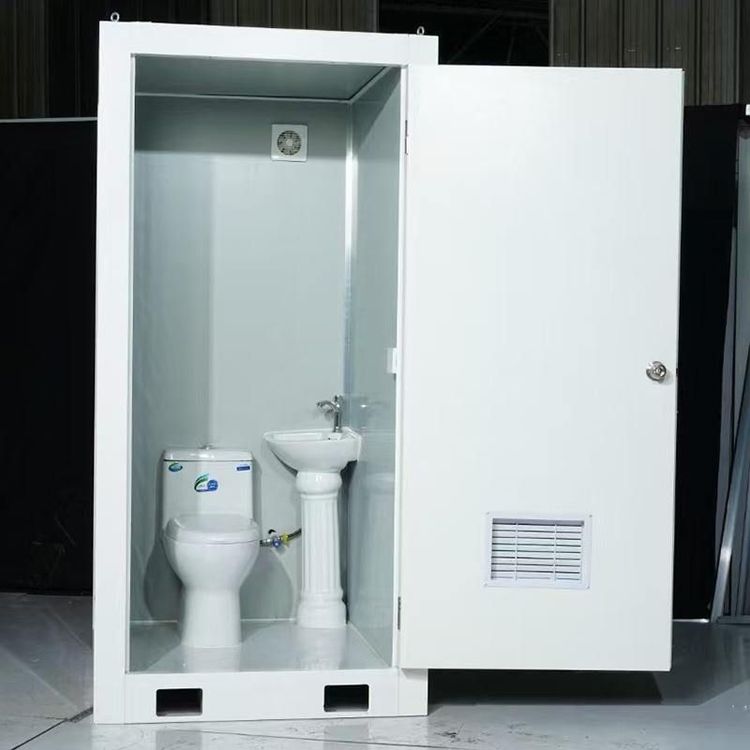
The packaged mobile toilet vehicle is a mobile toilet facility that requires no water, electricity, or sewage disposal and can be used immediately upon placement. It is suitable for scenarios without water or electricity, such as scenic spots, mountains, outdoor camping sites, and large event venues.

I. Basic Features
The most notable feature of the packaged mobile toilet vehicle is its independence from external water, electricity, and sewage pipelines. It is equipped with an independent fecal collection device inside, which achieves sealed storage of feces through physical packaging or chemical treatment, preventing leakage and odor diffusion. This design enables rapid deployment in areas lacking infrastructure, such as remote scenic spots, temporary event venues, or disaster emergency scenarios. Taking a 4-seat single-pit emergency packaged toilet as an example, it has a compact structure, can be transported by vehicle, and can be placed and used directly upon arrival at the destination without complex installation procedures.
II. Classification and Working Principle
According to the sewage treatment method, mobile toilets can be classified into various types, among which the packaged type belongs to the dry packaging type. Its working principle is as follows:
- Fecal Collection: After use, feces fall into sealed bags or containers through gravity or a small amount of degrading agent, avoiding contact with the external environment.
- Sealed Treatment: Some models use biodegradable plastic bags for automatic packaging. When replacing, they are directly sealed and removed; other models use chemical agents (such as coagulants and deodorants) to reduce odors and solidify feces for easier subsequent treatment.
- Waterless Design: No flushing system is required, and only a small amount of water is needed to clean the toilet surface, further reducing water resource dependence.
III. Application Scenarios
- Outdoor Events: At large event venues such as music festivals and marathons, where there is a high density of people and strong temporality, packaged toilets can quickly meet the demand, avoiding the long construction period of traditional toilets.
- Natural Scenic Spots: In ecologically sensitive areas, the sewage discharge from traditional toilets may pollute the soil or water sources, while packaged toilets reduce environmental impact by sealing and collecting feces.
- Emergency Rescue: After earthquakes, floods, and other disasters, when infrastructure is paralyzed, packaged toilets can serve as temporary sanitation facilities to ensure the basic living needs of the affected population.
IV. Advantages and Limitations
The advantages include: flexible deployment, environmental protection and energy conservation, and low maintenance costs. Its limitations are: limited capacity, requiring regular fecal cleanup; lower comfort, as the waterless flushing design may affect user experience; and the need to optimize adaptability to extreme environments, such as the reduced effectiveness of chemical agents at low temperatures.