Outsourcing Packaged Mobile Toilets
Outsourcing packaged mobile toilets encompass various types, featuring environmental friendliness and mobility, and can be customized according to needs.

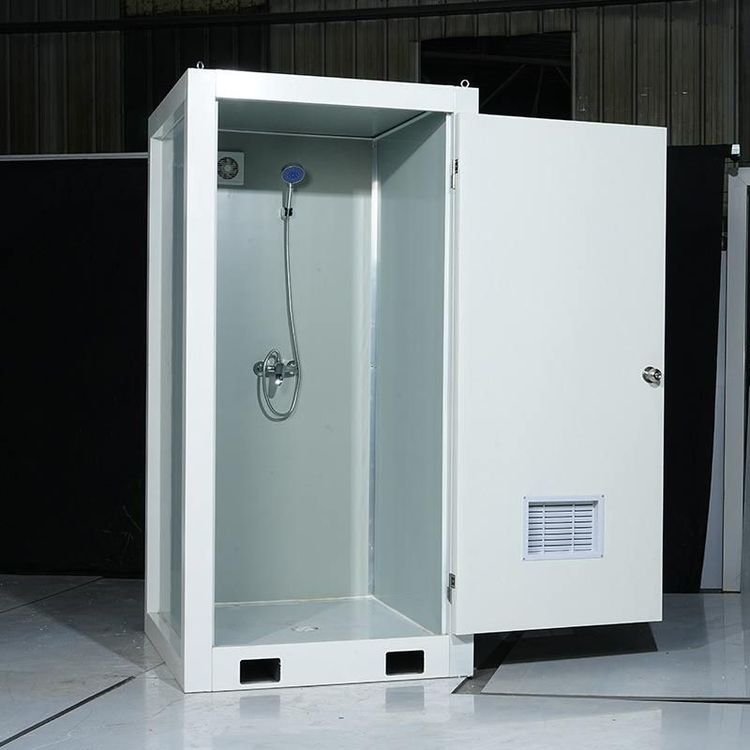
Outsourcing packaged mobile toilets are mobile sanitation facilities centered around modular design, utilizing packaging technology to achieve centralized or waterless treatment of waste. Their core advantages lie in flexible deployment, strong environmental adaptability, and the ability to meet sanitation needs in diverse scenarios. Based on functional and structural differences, they are primarily categorized into the following types:
1. Trailer-mounted Packaged Toilets These toilets typically use trailers as carriers, equipped with independent packaging systems that mechanically or electrically seal waste in replaceable packaging bags or containers. Their characteristic is easy mobility, allowing rapid transfer to target locations via vehicle towing, suitable for temporary events, disaster relief, and other scenarios. Some models integrate simple flushing functions but rely on external water sources or storage tanks, necessitating prior water supply planning.
2. 4-seat Single-pit Emergency Packaged Toilets Designed for high-density short-term use, these toilets adopt a single-pit structure with each toilet stall independently equipped with a packaging device. Waste enters sealed containers through gravity or small pumping systems, preventing cross-contamination. Their advantages include compact structure and rapid deployment, accommodating four simultaneous users, commonly found in construction sites, gatherings, and other high-traffic areas. Some models support solar power, suitable for off-grid environments.
3. Rural Toilet House Mobile Toilets (2-unit/3-unit Waterless Packaged) Developed for rural areas without sewer systems, these toilets feature a connected design integrating 2-3 toilet stalls, utilizing biodegradation or chemical treatment technology for waterless operation. Waste is converted into solid fertilizer or harmless liquid after treatment, reducing environmental pollution. These toilets require no external water or electricity connections and support modular expansion, compatible with rural toilet renovation projects to improve sanitation conditions.
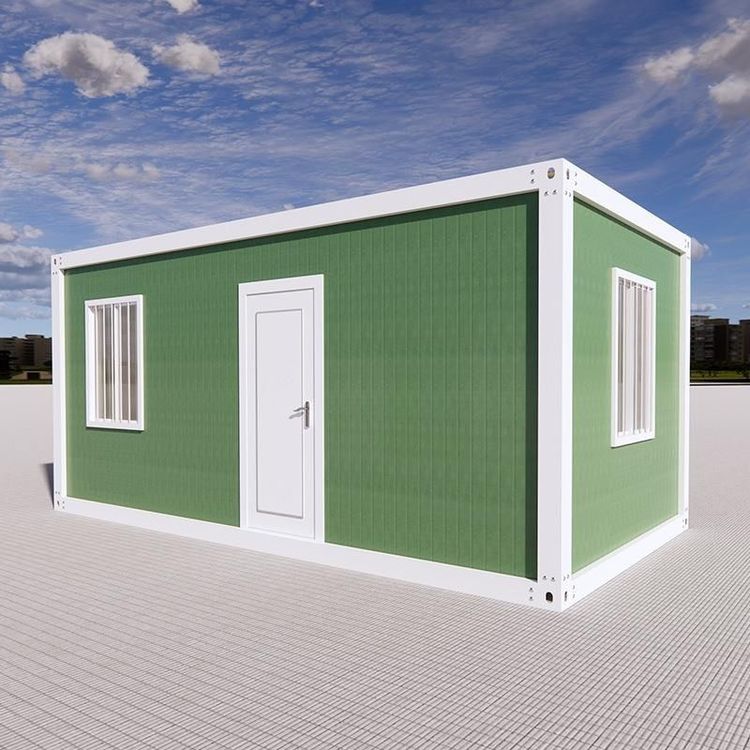
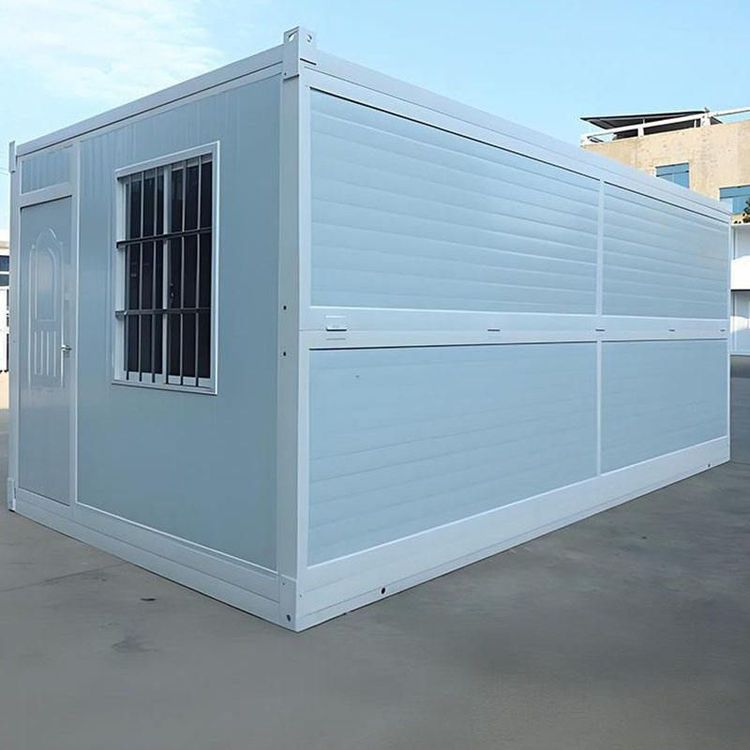
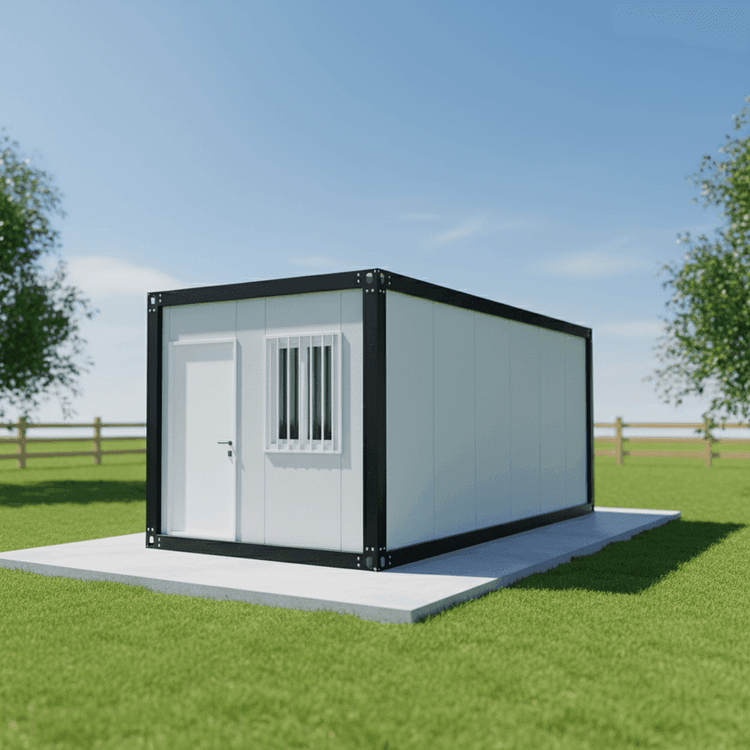
4. Packaged Container Mobile Public Toilets Using shipping containers as shells, these toilets integrate packaging treatment systems, ventilation equipment, and lighting fixtures internally, forming standardized sanitation units. Their characteristics include spaciousness and comprehensive functionality, capable of being equipped with independent sinks, hand dryers, and even management rooms or barrier-free toilet stalls. Suitable for long-term use in scenic spots, transportation hubs, and other locations, they can be transported across regions via container shipping.
Customization and Environmental Friendliness All types support adjustments in the number of toilet stalls, exterior materials, and treatment methods according to needs. For example, pressurization devices can be added in high-altitude areas, and insulation performance can be optimized for desert environments. In terms of treatment technology, some models employ microbial decomposition to convert waste into organic fertilizer; others use sealed storage for unified disposal, avoiding secondary pollution and meeting environmental requirements.