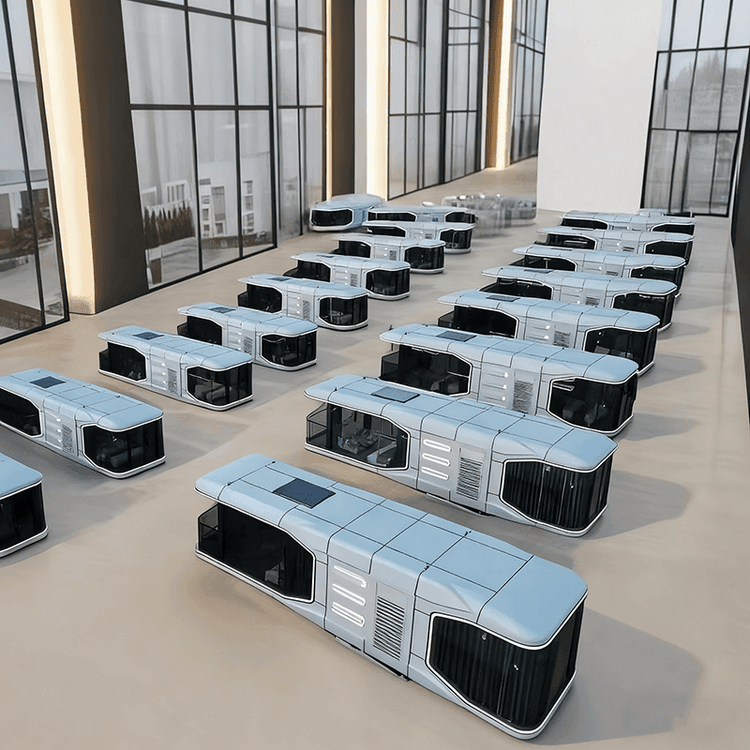
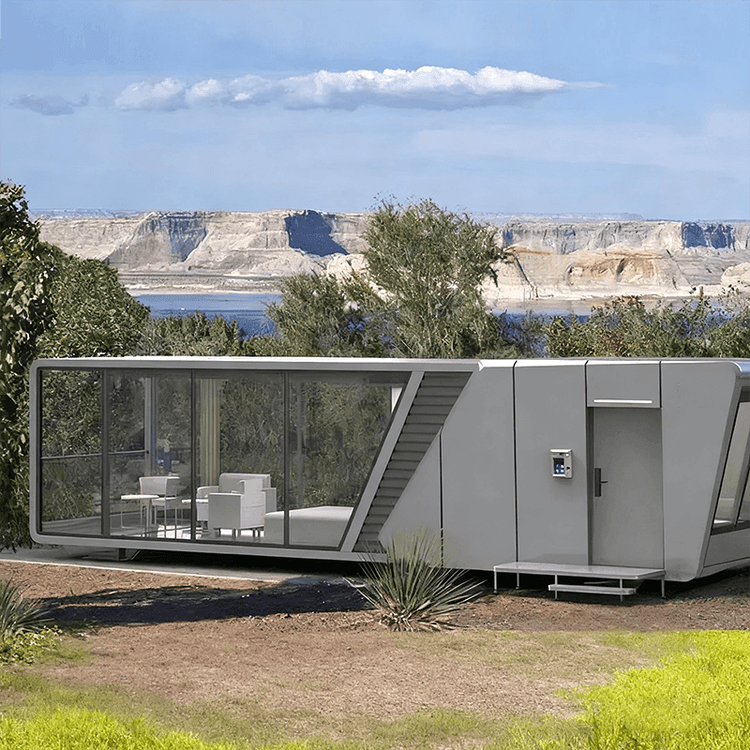
Outlook for Container Houses
The outlook for container houses is positive, with broad market space and application potential.

1. Market size keeps growing The global expandable container house market is expanding steadily. Per QYResearch, the 2025 global market reached $113,888,889 and is expected to grow to $151,250,000 by 2032, with a 2026-2032 CAGR of 4.2%. Growth is driven by emerging-market demand, technology upgrades that iterate products, and rising global need for low-cost, high-flexibility building solutions.
2. Application scenarios diversify Container houses have moved beyond traditional fields into commerce, cultural tourism, and livelihoods. In commerce they become cafés, convenience stores, and pop-ups as innovative urban commercial space; in cultural tourism they serve as holiday cabins and camp service spaces matching personalized travel; in livelihoods they are widely used as affordable housing, temporary resettlement, and remote offices, especially in post-disaster rebuilding and rural revitalization.
3. Technology upgrades drive product iteration Container houses are moving from basic function toward smarter, more comfortable, and more customized offerings. Technically, IoT devices (smart locks, energy monitoring) raise management efficiency; fresh-air systems and double glazing improve living comfort; modular joining and personalized exteriors meet varied scenes. Short build cycles, high space utilization, and whole-unit lift-and-transport further strengthen competitiveness.
4. Regional markets diverge with local opportunities Global markets show regional splits: North America and Europe, with strict building standards and strong environmental awareness, are main consumers of premium products; China’s market is rising fast on capacity and policy support, with rural revitalization, cultural tourism, and temporary labor needs widening applications. Domestic firms already export strongly with clear value-for-money advantages and may expand abroad through technology export.
5. Cost efficiency and environmental value stand out Lifecycle cost advantages are clear: initial investment may run about 15% above traditional portable houses, but service life extends about 3×, stacking cuts transport cost, installation needs no heavy foundation works, labor savings reach about 60%, and reuse exceeds 90%. Environmentally, steel recovery can reach 100% and construction waste drop about 80%, aligning with global low-carbon goals and offering an innovative path to sustainable development.