Outdoor Trailer Portable Toilet
An outdoor trailer portable toilet is a toilet facility that can be moved as a whole and is suitable for temporary scenarios, achieving flexible layout and reuse through a trailer design.

Structural Composition and Functions
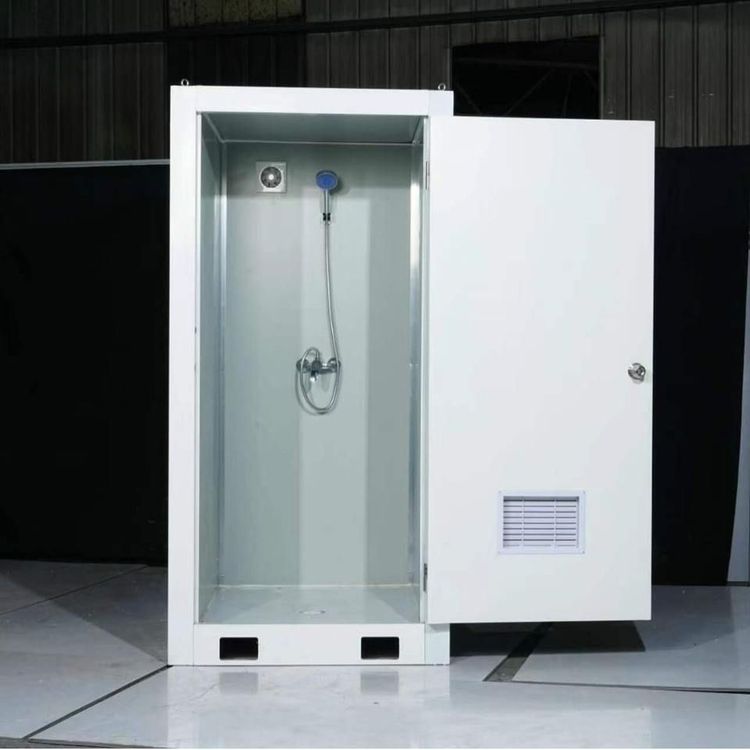
The core structure of an outdoor trailer portable toilet includes a fecal sewage storage tank (or disposal device), flooring, sanitary ware, walls, washing equipment, a water tank, a roof, and a mobile device. Among them, the fecal sewage storage tank is a key component used for temporarily storing excrement. Some models are equipped with biodegradation or chemical treatment devices to reduce odors and lower the frequency of cleaning. The sanitary ware (such as toilets or squat pans) is usually made of lightweight and corrosion-resistant materials, balancing durability and hygiene. The water tank provides water for flushing, and some models support external water sources or recycled water systems to adapt to different environmental requirements. The mobile device includes automobile tires and a trailer structure, enabling a single person to tow and transfer it without the need for large-scale mechanical equipment.
Classification and Mobile Methods
According to the mobile method, portable toilets can be divided into three categories:
- Hoisting and Handling Type: Relies on lifting equipment or manual handling, suitable for short-distance and low-frequency mobile scenarios.
- Powered Type: Has a built-in engine or motor and can drive autonomously to the target location, but it has high costs and complex maintenance.
- Trailer Type: Moves by connecting to tires via a towing vehicle, combining flexibility and cost-effectiveness, and is the mainstream choice for outdoor scenarios.
The trailer-type portable toilet is the preferred option for temporary places such as construction sites, events, and scenic spots due to its lack of a need for an additional power source and its simple operation.
Core Advantages and Application Scenarios
Its core advantages are reflected in three aspects:
- Mobility: The overall structure is integrated, allowing for rapid deployment to areas without fixed toilets, such as remote construction sites or temporary event venues.
- Combinability: The modular design supports the splicing of multiple units to meet the demand for high foot traffic during peak periods (such as large music festivals).
- Reusability: The materials are highly weather-resistant and can be transferred and used multiple times after simple maintenance, reducing long-term costs.
Typical application scenarios include construction sites (solving the toilet problems of workers), outdoor events (ensuring the needs of audiences and staff), tourist attractions (relieving the pressure on public toilets during peak periods), and natural disaster emergency responses (quickly restoring basic sanitation facilities).
Environmental Protection and Maintenance Points
Modern trailer portable toilets focus on environmental protection design: Some models adopt water-saving flushing systems with a lower water consumption per flush than traditional toilets. The fecal sewage storage tank is highly sealed to prevent leakage and soil pollution. During regular cleaning, the sewage can be transported to a professional treatment station for harmless treatment. In terms of maintenance, it is necessary to regularly check the tire pressure, water tank level, and the sealing of the sanitary ware to ensure the long-term stable operation of the equipment.