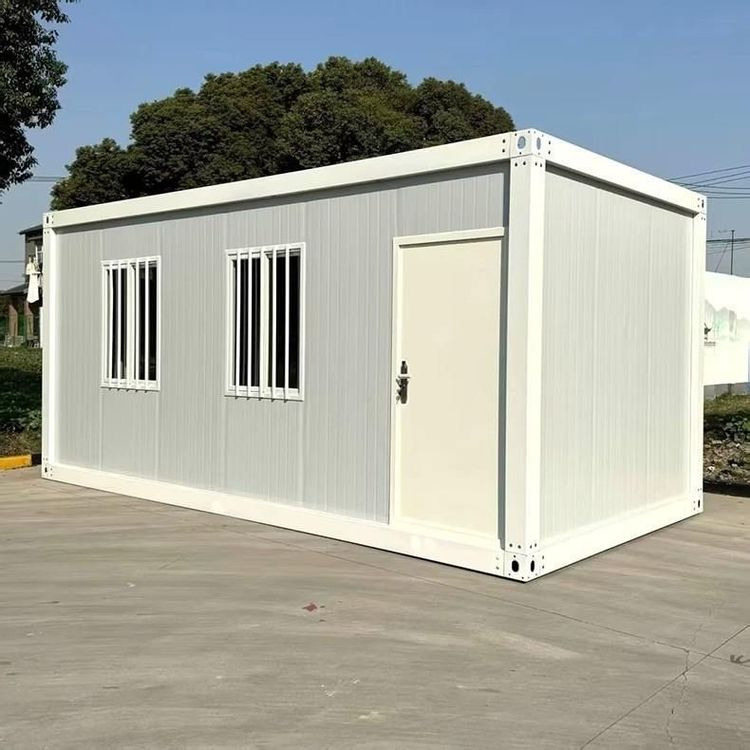
Outdoor Single Portable Toilet
An outdoor single portable toilet is a facility that can be moved as a whole, providing temporary or fixed toilet services for the public or customers. It has the advantages of being movable, combinable, and easy to transport.

Structural Components
An outdoor single portable toilet is usually composed of several core components:
- Fecal and sewage storage tanks or disposal devices: These are used to collect or preliminarily treat excreta, preventing direct discharge from polluting the environment. Some high-end models are equipped with biodegradation or chemical treatment systems, which can reduce odors and lower the frequency of cleaning.
- Floor and wall materials: Anti-slip and waterproof materials (such as stainless steel, anti-corrosion wood, or high-strength plastics) are used to ensure safety and durability during use. The walls need to have sound insulation and heat insulation functions to enhance privacy and comfort.
- Sanitary ware and washing equipment: This includes toilets or squat pans, sinks, hand dryers, etc. Some models are also equipped with disinfectant dispensers or sensor-activated faucets to reduce the risk of contact transmission.
- Roof and rain-proof corridor: The roof design needs to be waterproof and have reasonable load-bearing capacity. The rain-proof corridor can protect users from the weather and enhance the overall stability.
- Mobile devices: Wheels or towing structures are usually installed at the bottom, facilitating transportation to different sites by vehicles. Some models support quick disassembly and reassembly to adapt to complex terrains.
Typical Application Scenarios
- Temporary events: Such as music festivals, sports events, and open-air markets, where they can be quickly deployed to meet the needs of large crowds. After the event, they can be removed to avoid resource waste.
- Construction sites: In scenarios like construction sites and road maintenance, they provide convenient sanitary facilities for workers and reduce reliance on surrounding public toilets.
- Natural disaster relief: After earthquakes, floods, and other disasters, they can serve as temporary sanitary solutions to help disaster-stricken areas restore basic living order.
- Remote areas: In scenic spots, rural areas, or wilderness research stations lacking fixed toilets, portable toilets can be deployed long-term to solve toilet problems.
Advantages and Limitations
Advantages: High flexibility, allowing position adjustment according to needs; lower installation costs compared to traditional toilets; some models support solar power or rainwater collection, with relatively strong environmental protection.
Limitations: Regular cleaning of the fecal storage tank is required, resulting in relatively high maintenance costs; extreme weather (such as strong winds and heavy snow) may affect usage stability; the capacity is limited, and during peak periods, the number needs to be increased or users need to be guided to other facilities.