
Outdoor Prefabricated Housing
Outdoor prefabricated housing is a form of construction that involves the industrial production of building components and their assembly on-site, encompassing technical systems such as panel-based, box-based, and frame-based prefabrication.
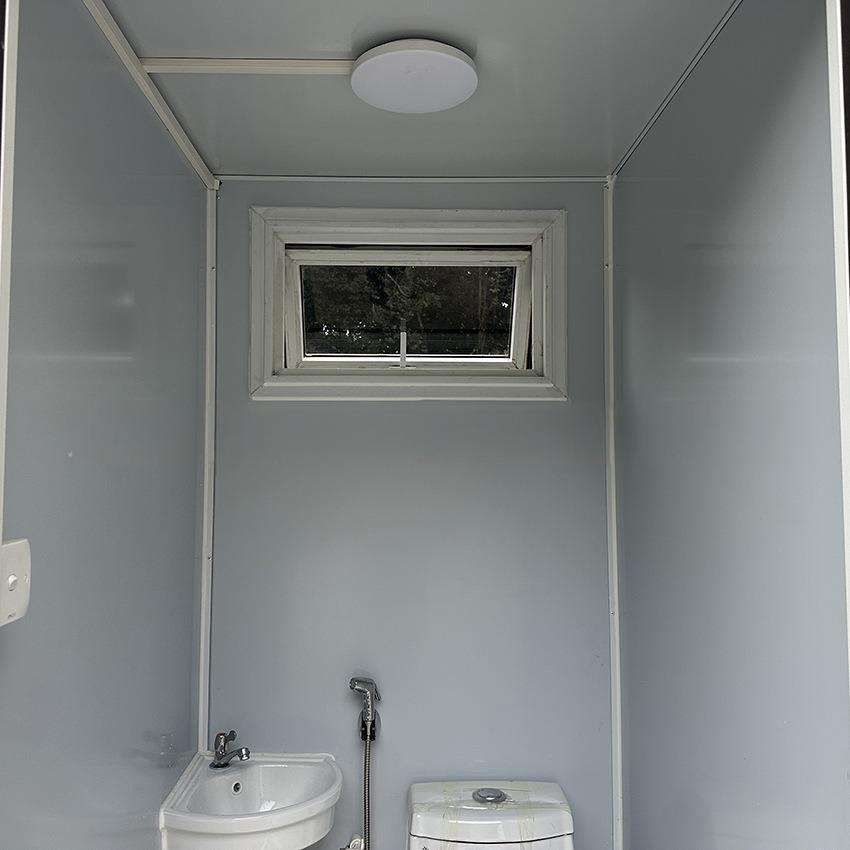
Modular Construction Approach
The core feature of outdoor prefabricated housing is modular construction, which involves breaking down the building into independent modules (such as ceilings, floors, and walls), prefabricating them in factories, and then transporting them to the site for assembly, akin to a 'building block' approach. For instance, a public housing project in Shenzhen, Guangdong, utilized 6,028 concrete modules for assembly, reducing the construction period to one-third of that of traditional methods. This approach minimizes on-site construction errors through standardized production while optimizing material utilization in factory settings, significantly enhancing construction efficiency.
Diverse Application Scenarios
- Temporary and Mobile Scenarios: These include construction site portable cabins, outdoor guard booths, mobile offices, and camping tents. Such products typically employ lightweight materials (e.g., color-coated steel sheets, aluminum alloys), supporting rapid disassembly, folding, or overall relocation to meet short-term usage needs. Some high-end products are also equipped with eco-friendly facilities such as solar panels and rainwater harvesting systems.
- Permanent Residences: Prefabricated houses that are popular in European and American markets have achieved complete functional integration, including bedrooms, kitchens, and bathrooms, with pre-installed plumbing and electrical systems, priced at approximately RMB 200,000 per unit. These houses utilize high-strength structural materials (e.g., cold-formed thin-walled steel sections) and are designed to meet permanent residency standards through seismic resistance, with customizable exteriors and interior layouts.
Significant Core Advantages
- Short Construction Period: The construction period is reduced by over 60% compared to traditional buildings, making it particularly suitable for emergency relocation or rapid development projects.
- Environmental Protection and Energy Efficiency: Factory-based production reduces on-site noise, dust, and construction waste, with some projects achieving a waste reduction of over 70%; modular design facilitates later renovation or disassembly, reducing resource waste.
- Cost Control: In regions with high labor costs (e.g., Europe and America), prefabricated houses reduce unit costs through large-scale production, with export growth reaching 45%; in the domestic market, however, acceptance is lower due to the similar cost of rural self-built houses and concerns about structural stability.
Market Cases and Development
In the first four months of 2026, the Guangzhou Customs District exported portable houses worth RMB 1.4 billion, a year-on-year increase of 38.1%; Alibaba's platform shows that outdoor prefabricated housing products include container houses, portable cabins, and guard booths, with prices ranging from RMB 100 per square meter to several thousand yuan, supporting customization and export. With technological advancements, prefabricated houses are evolving from single-function to intelligent and green upgrades, such as integrating smart home systems or utilizing renewable energy, further expanding their application boundaries.



