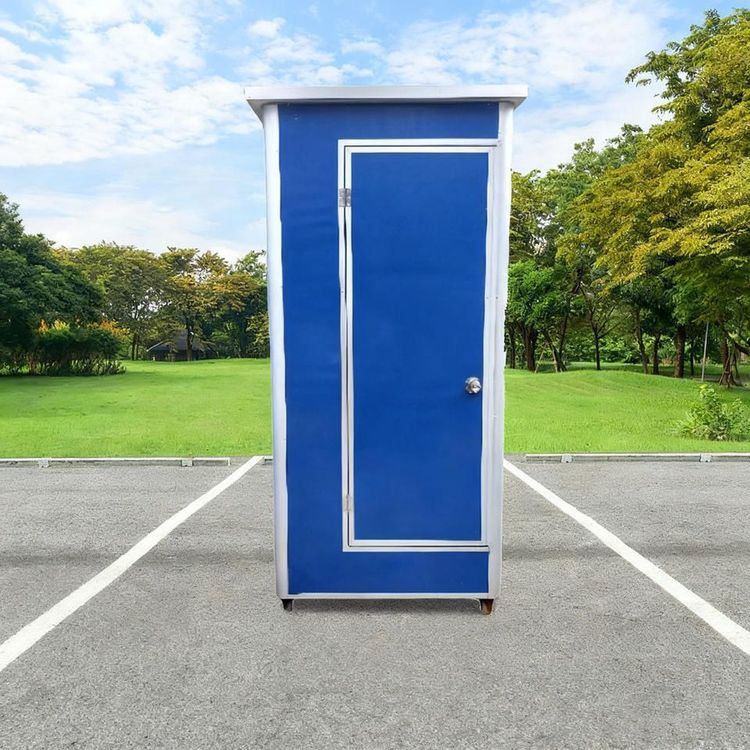
Winter Insulation for Outdoor Portable Toilets
Winter insulation for outdoor portable toilets requires a comprehensive approach encompassing water pipe insulation, environmental insulation, structural insulation, safety protection, and maintenance management.

Water Pipe Insulation
Wrapping with insulation materials is a fundamental measure. Exposed water pipes and faucets should be tightly wrapped with cotton or linen fabrics, foam plastics, or old clothing, with special attention to protecting joints. An outer layer of waterproof plastic sheeting can be added for moisture resistance. Pipes should be wrapped with an insulation layer of over 50mm, combined with rubber insulating sleeves and self-regulating heating cables, with temperature sensors for real-time freeze monitoring. Dripping to prevent freezing is suitable for short-term low temperatures. At night, adjust the faucet to a slow drip (like a thin stream) to keep water flowing, with the dripping water collected in containers for reuse. Draining stored water is crucial for long-term shutdowns. Close the main valve and open the faucet to drain the pipes. Users of solar water heaters should drain the water from the pipes in advance. Installing heating equipment can enhance freeze protection, such as wrapping auxiliary heating devices around water pipes (automatically activating when temperatures drop below -2°C), or installing heat tracing cables in the toilet trap and filling drainage pipes with expanded perlite and setting 8w/m heat tracing cables. Smart heat tracing systems achieve automated management through electric heat tracing technology, consisting of heating cables, insulation materials, and temperature sensors. They automatically activate when the outdoor temperature drops below 20°C, preventing freeze damage while avoiding energy waste.
Environmental Insulation
Closing doors and windows reduces heat loss, maintaining indoor temperatures above 0°C. If necessary, cover with straw mats or other insulation materials. Installing radiators is suitable for extreme low-temperature environments. Some portable toilets equipped with radiators can prevent water pipes from freezing even at temperatures below -10°C or even -20°C. Equipping with air conditioners, electric heaters, or central heating systems enables intelligent temperature control, maintaining indoor temperatures between 0-20°C and enhancing user comfort.
Structural Insulation
Material selection is key. Walls and roofs should adopt double-layer insulation structures, such as color-coated steel sheets, metal carved panels (with composite structures containing thermal insulation materials), or rock wool filling. The roof should use polyurethane foam spray insulation to avoid cold bridges. Insulated portable toilets feature metal carved panels on the exterior, with composite fireproof boards and rock wool insulation layers inside, capable of normal operation in environments as low as -40°C to -50°C. Wind and leak prevention involves checking the sealing of door seams and joints, repairing damaged areas, and setting up wind barriers (such as straw stacks, old quilts, or specialized windbreak curtains).
Safety Protection Measures
Fire and freeze prevention requires clearing flammable materials around the area and adding antifreeze or alcohol brine to the water tank to lower the freezing point. The electric heat tracing system should be equipped with overheating protection to avoid energy waste. Slip and leak prevention involves laying anti-slip mats and freeze-proof curtains on the floor, installing freeze-proof devices at toilet drainage outlets, promptly cleaning accumulated water in the trap, and using sealed designs for doors and windows, with insulation materials used for blocking when not fully enclosed.
Maintenance and Management
Regular inspections are crucial. Daily patrols should check the operational status of water pipes and equipment, promptly repairing freeze-damaged or leaking components. Clean radiators and air conditioner filters to ensure efficient heat dissipation. Smart management systems can install intelligent temperature control systems to automatically adjust heating equipment based on ambient temperature and incorporate remote monitoring functions to enhance management efficiency.