
Types of Outdoor Portable Toilets
There are various types of outdoor portable toilets, which can be classified according to different criteria as follows:
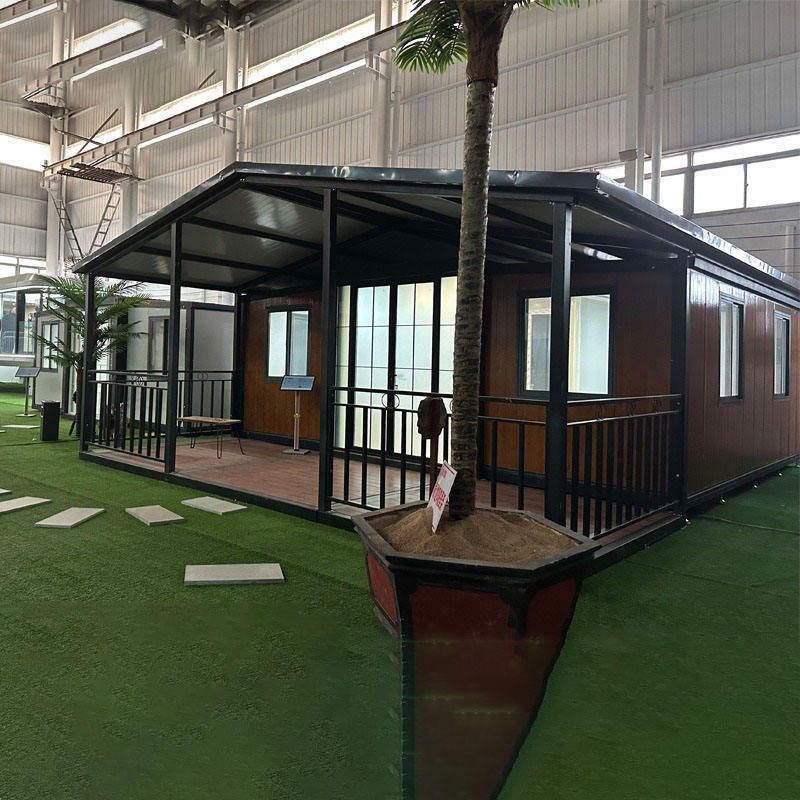
In terms of structural form, they can be divided into single-structure portable toilets and composite-structure portable toilets. Single-structure portable toilets are usually independent units with a simple structure, suitable for scenarios with limited space or temporary needs. Composite-structure portable toilets are composed of multiple functional modules, with strong scalability, able to meet the needs of multiple people using them simultaneously or complex functional requirements, and are commonly seen in large-scale events or long-term驻扎 (stationed) scenarios.
In terms of mobility, they can be divided into lifting and handling portable toilets and powered and towed portable toilets. Lifting and handling portable toilets rely on lifting equipment or manual handling, offering high flexibility but relatively low mobility efficiency, suitable for short-distance or fixed-point adjustments. Powered and towed portable toilets are equipped with power systems or towing devices, which can be moved by vehicle traction or on their own, suitable for long-distance or frequent mobility scenarios, such as emergency rescue and touring performances.
In terms of sewage treatment methods, they can be divided into water-flush and non-water-flush suction types, circulating water-flush types, waterless packing types, traditional water-flush types, foam-blocking types, and microbial degradation types. Water-flush and non-water-flush suction types use suction equipment to clean up excrement, suitable for areas without sewage pipe networks. Circulating water-flush types use a filtration system to purify sewage for recycling, with strong water-saving capabilities. Waterless packing types, such as diaper-like designs, directly seal excrement, suitable for extreme environments like desert camping. Traditional water-flush types require connection to sewage pipes and water sources, commonly found in scenic spots with well-established infrastructure. Foam-blocking types reduce odors by covering with foam, saving water and being environmentally friendly. Microbial degradation types use microorganisms to decompose excrement into fertilizer, widely used in ecological parks and other scenarios.
In terms of materials, plastic toilets are lightweight and inexpensive, suitable for temporary use on construction sites. Color-steel toilets offer thermal and sound insulation and are aesthetically pleasing, commonly found in parks and streets. One-piece fiberglass toilets have strong impact resistance, suitable for disaster relief and rescue. Tent-style toilets are easy to assemble and disassemble, suitable for temporary events.
In addition, outdoor simple portable toilets also include folding portable toilets, tent-style toilets, chemical treatment toilets, and biodegradable toilets. Folding portable toilets are made of lightweight materials and can be folded for storage, suitable for backpackers or small teams. Tent-style toilets are paired with simple tents to provide privacy, suitable for families or group activities. Chemical treatment toilets have built-in chemicals to decompose excrement and reduce odors, suitable for long-term outdoor stays. Biodegradable toilets use bags made of degradable materials, which can be directly buried after use, with good environmental performance.
You may also like

Portable Toilet Eco-Friendly: MOQ, Samples & Quotation Guide
Read More
Top Portable Toilet Color Steel Manufacturers: How to Choose a Factory Partner
Read MorePortable Toilet Picture: Types, Features & Buying Tips
Read More