
Outdoor Portable Toilet Rental Agreement
The outdoor portable toilet rental agreement should include the following core elements, with specific terms adjustable according to actual needs:
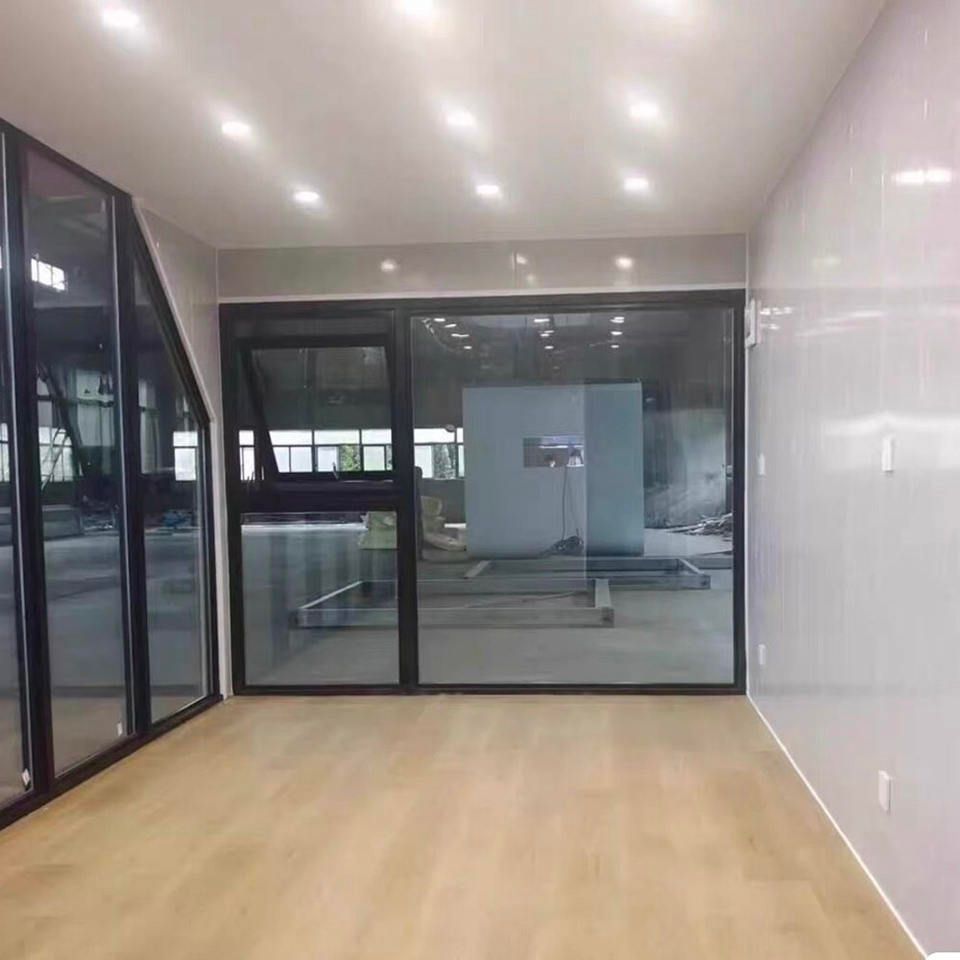
I. Agreement Parties and Subject Matter The agreement must clearly specify the names, contact details, and addresses of the lessor (Party A) and the lessee (Party B). The subject matter of the lease is the outdoor portable toilets owned by Party A, with detailed information on the quantity, model (e.g., single-unit or multi-unit), specifications (e.g., dimensions, sewage disposal method), and ancillary facilities (e.g., septic tank capacity, ventilation system). For example, the agreement may state, 'The subject matter of the lease is five XX-model portable toilets provided by Party A, with dimensions of 3 meters in length × 2 meters in width × 2.8 meters in height, equipped with automatic flushing systems and 2-cubic-meter septic tanks.'
II. Rental Period and Return Requirements The start and end dates must be clearly specified, such as 'From January 1, 2026, to December 31, 2026.' Upon expiration of the rental period, Party B must return the equipment on time and ensure it is in good condition and clean. If the equipment is damaged or lost, Party B must repair or compensate for the actual losses, including the replacement cost and repair expenses of the equipment.
III. Rental Fee and Payment Method The total rental fee must be clearly stated (e.g., 'RMB 50,000 in total'), and the payment method must be agreed upon. Common methods include a lump-sum payment (e.g., 'Full payment within 3 working days after contract signing') or installment payments (e.g., '50% of the rental fee paid initially, with the remaining 50% paid halfway through the rental period'). Party A must provide an official invoice or receipt as financial proof upon receipt of the rental fee.
IV. Rights and Obligations of Both Parties
- Party A's Obligations: Ensure the equipment meets quality standards (e.g., ISO certification), deliver and complete installation and commissioning on time; be responsible for regular maintenance during the rental period (e.g., weekly septic tank pumping, monthly equipment inspection); purchase property insurance to cover accidental losses such as fire and theft.
- Party B's Obligations: Use the equipment reasonably and not modify its structure or function without authorization; maintain equipment hygiene (e.g., daily garbage removal, no smoking); prohibit subleasing, transferring, or lending the equipment, with a penalty (e.g., 20% of the total contract amount) for violation; notify Party A and settle the rental fee 15 days before the end of the rental period, with full-month rental payment for late notification.
V. Liability for Breach of Contract If Party A fails to deliver the equipment on time or if the equipment has quality issues, Party A must refund the received rental fee and compensate Party B for direct losses (e.g., event delay expenses). If Party B fails to pay the rental fee on time, Party B must pay a daily overdue penalty (e.g., '0.1% of the overdue amount per day'). If Party B's improper use causes equipment damage (e.g., clogged sewage pipes), Party B must bear all repair expenses.
VI. Dispute Resolution Disputes shall be resolved through friendly negotiation first; if negotiation fails, they may be submitted to the arbitration committee at Party A's location for arbitration or filed with the people's court at Party A's location for litigation.
VII. Other Terms Matters not covered in the contract may be addressed in supplementary agreements, which have equal legal effect with this contract; the contract is made in duplicate, with each party holding one copy, and takes effect upon signature and seal.



