Principles of Outdoor Portable Toilets
The principles of outdoor portable toilets vary depending on their type, with the core focus on achieving waste treatment, odor control, and rapid deployment through structural design or technological means.
Traditional Waste-Storage Portable Toilets
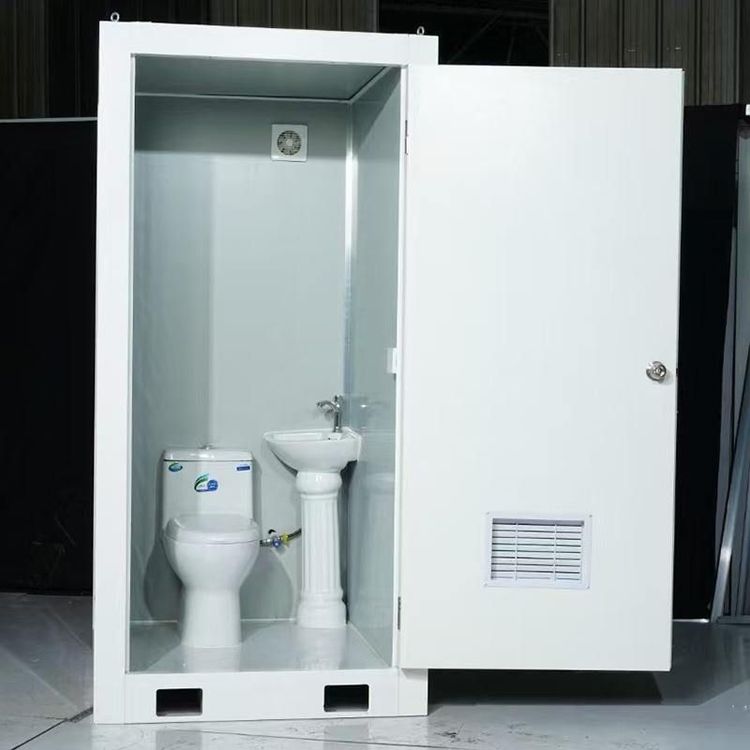
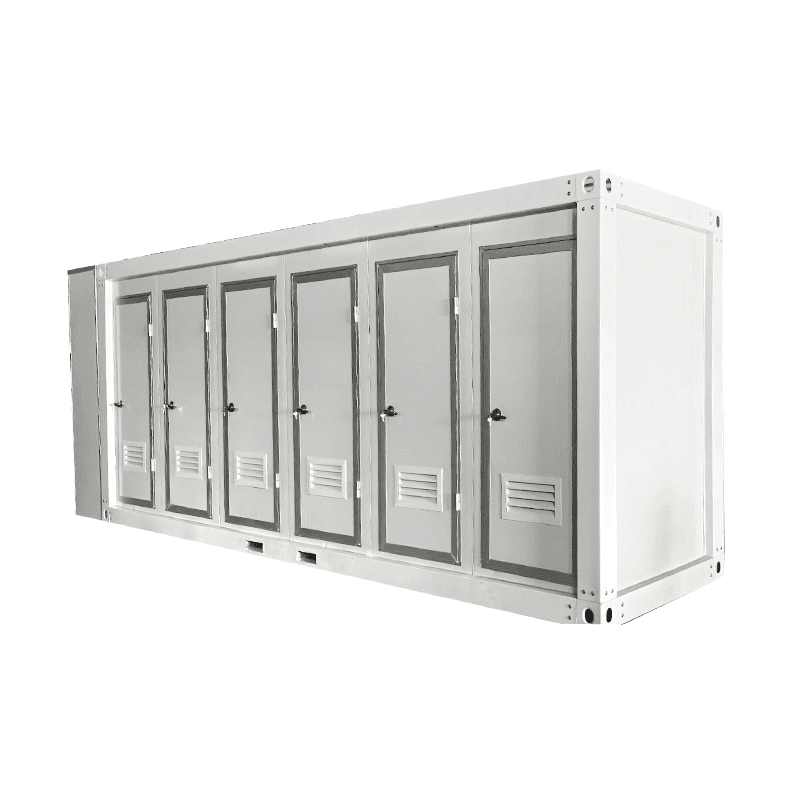
These toilets are equipped with detachable waste-storage tanks inside, where waste directly falls. To reduce odors and bacterial growth, degradation agents or deodorizers may be pre-placed in the tanks. The ventilation system maintains air circulation through natural airflow or small fans, preventing stuffiness and odor buildup. Their advantages lie in their simple structure and low cost, but they require regular cleaning of the waste tanks and have limited capacity, making them suitable for short-term or low-traffic scenarios.
Water-Saving or Waterless Portable Toilets
These toilets treat waste using chemical agents or biological decomposition techniques, reducing water consumption or eliminating the need for flushing altogether. For example, chemical agents can solidify excreta and suppress odors, while biological decomposition utilizes microorganisms to break down organic matter. These toilets are suitable for water-scarce environments but require regular addition of treatment agents, resulting in higher operational costs. Additionally, chemical agents may have certain environmental impacts.
Biological Treatment Portable Toilets
These toilets use microorganisms or enzymes to decompose organic matter, converting waste into harmless substances (such as water and carbon dioxide). The principle involves the metabolic processes of microorganisms, with decomposition efficiency optimized by controlling temperature and humidity conditions. These toilets are highly eco-friendly but technically complex, requiring professional maintenance, and are suitable for long-term use in fixed locations.
Solar-Powered Portable Toilets
Solar panels are installed on the roof to convert light energy into electrical energy, powering ventilation systems or lighting equipment. Solar power reduces reliance on external power sources, enhancing comfort and hygiene levels. These toilets are suitable for long-term installation in scenic spots or campsites but have high initial costs and are subject to lighting conditions.
Flush-Type Systems (Common in Scenic Spots)
These systems require connection to external water supply and sewage networks. Water flushes the toilet bowl, and waste enters sewage collection tanks or integrated treatment units. Their principle is similar to that of traditional toilets but depends on the completeness of infrastructure, making them suitable for scenic spots with high foot traffic and sewage network coverage, although their mobility is limited.
Packaging or Microbial Degradation Systems
These systems rely on sealed collection containers or microbial strains to decompose excreta without flushing. Packaging systems collect waste in sealed bags, while microbial degradation systems use strains to accelerate decomposition. These systems are suitable for mountainous scenic spots with water scarcity and no sewage network coverage but require regular replacement of collection containers or replenishment of microbial strains.
In addition, the frames of portable toilets are mostly made of lightweight steel structures, with walls filled with thermal insulation layers and floors treated for waterproofing. Ventilation windows or mechanical exhaust systems are installed to reduce odor buildup. Their core advantage lies in their "mobility," allowing rapid deployment without complex infrastructure, meeting temporary or emergency needs.