
Material Selection for Outdoor Portable Toilets
The selection of materials for outdoor portable toilets requires comprehensive consideration of durability, environmental adaptability, and cost. Common materials and their characteristics are as follows:
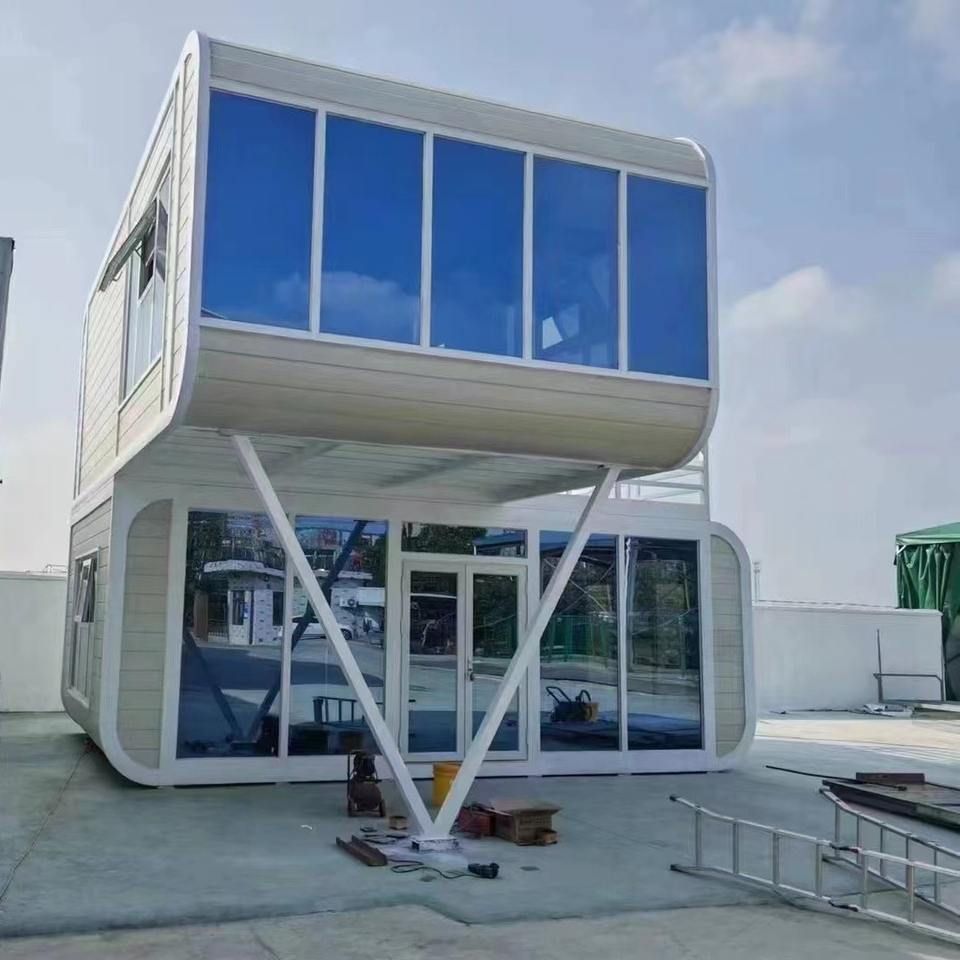
1. Metal Frames: The Core of the Structure, Balancing Strength and Durability Metal frames are the fundamental structural materials for outdoor portable toilets, requiring resistance to wind, earthquakes, and long-term weathering. Stainless steel is the preferred choice for high-end scenarios. Its chromium passivation film effectively resists corrosion from rainwater and salt spray. Austenitic stainless steel offers excellent machinability, and a thickness of 1.2 - 2mm can balance structural strength and weight. Surface painting can further extend its service life, making it suitable for long-term use in municipal and scenic areas. Galvanized steel sheets isolate oxygen and moisture through a galvanized layer, inhibiting the growth of mold and bacteria. They have high corrosion resistance and hardness, with a lower cost than stainless steel, making them suitable for outdoor environments with limited budgets but long-term exposure.
2. Panel Materials: Function-Oriented, Suitable for Different Areas
- Anti-corrosion wooden panels: After chemical treatment, they possess anti-fungal and insect-resistant properties. The natural wood grain enhances the aesthetic appeal of the toilet, making them suitable for scenic spots or parks with high requirements for environmental integration. However, regular maintenance is required to prevent cracking.
- PVC plastic panels: They excel in waterproofing and moisture resistance, effectively blocking water penetration and preventing internal structural corrosion. They come in a variety of colors and are easy to clean, making them suitable as wall or partition materials, especially in rainy regions.
- Aluminum ceiling panels: The surface oxide film provides strong weather resistance, impact resistance, and pollution resistance. They can be seamlessly spliced to form an overall waterproof layer, commonly used on ceilings or walls. They have low maintenance costs and a service life of over 10 years.
- HPL high-pressure laminate panels: Formed by high-pressure molding of multiple layers of resin-impregnated kraft paper, they have a dense and smooth surface, excellent waterproof, anti-fouling, and wear-resistant properties, and a variety of design styles. They are suitable for partitions in high-traffic public toilets.
- Phenolic resin high-pressure panels: The one-piece molding process eliminates the need for edge finishing. They are moisture-resistant, anti-fouling, and easy to clean. A thickness of 12 - 18mm can meet structural strength requirements, but they need to be paired with high-quality hardware fittings to avoid loosening at connections.
3. Economical Materials: Transitional Choices for Short-Term Use Scenarios Color-coated steel uses color-coated steel sheets as the base material, with low cost and easy installation. However, the thickness of the galvanized layer is limited, and the outdoor service life usually does not exceed 5 years. It is prone to corrosion, leading to a decrease in structural strength, and is only suitable for temporary construction sites or short-term event venues.
Material Selection Recommendations: For long-term use scenarios, prioritize stainless steel frames paired with HPL or aluminum ceiling panels. In humid environments, focus on PVC plastic panels and anti-corrosion wooden panels. For temporary facilities, simplify the structure and use color-coated steel to reduce costs. A comprehensive decision should be made based on the budget, usage cycle, and environmental conditions.



