
Durability of Outdoor Portable Toilets
The durability of outdoor portable toilets is primarily reflected in two aspects: material selection and targeted design, enabling long-term stable use through resistance to environmental erosion, ease of maintenance, and modular structures.
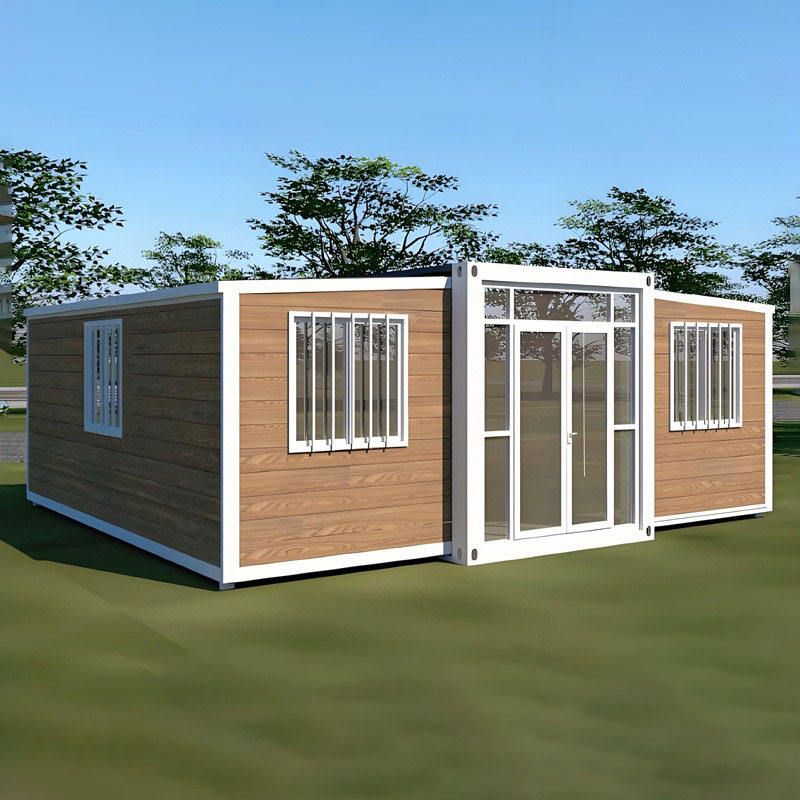
From the perspective of material properties, the core durability of different types of portable toilets stems from the physical and chemical properties of the materials themselves. Take fiberglass reinforced plastic (FRP) portable toilets as an example. Their main bodies are made of FRP composite materials, which possess corrosion resistance and can withstand erosion from rainwater, sewage, and common chemicals, making them particularly suitable for long-term use in coastal scenic spots or humid environments. Meanwhile, the smooth and dense surface of FRP does not easily adsorb stains, and simple rinsing is sufficient to restore cleanliness during cleaning, reducing long-term maintenance costs. Another type of prefabricated portable toilet mainly uses metal frames (such as galvanized steel or aluminum alloy) paired with high-density panels (such as color-coated steel sheets and aluminum-plastic panels). The metal frames are treated with hot-dip galvanizing to form a dense oxide layer, which effectively isolates oxygen and moisture, preventing rust. The panel surfaces are coated with scratch-resistant and wear-resistant coatings to resist impacts and abrasions during daily use, extending the structural lifespan.
Durability optimization at the design level is tailored to specific usage scenarios. For example, in response to the intense ultraviolet radiation in plateau regions, the outer surfaces of some portable toilets are coated with weather-resistant polyester coatings. These coatings form a stable chemical structure by adding ultraviolet absorbers and antioxidants, slowing down material aging caused by ultraviolet rays, preventing surface fading, cracking, or powdering, and ensuring the integrity of appearance and structure. For construction sites and other scenarios requiring frequent disassembly and assembly, prefabricated portable toilets adopt modular designs, breaking down the toilets into independent functional units (such as toilet compartments, sewage systems, and roofs). Each module is connected through standardized interfaces, allowing disassembly and assembly without damaging the main structure. This not only reduces the risk of transportation damage but also facilitates local replacement and maintenance, significantly improving the overall service life. In addition, some products enhance durability through structural reinforcement designs, such as increasing the thickness of the bottom load-bearing frames and optimizing the mechanical structures of wall connection nodes, to cope with extreme weather conditions such as strong winds and snow accumulation that may be encountered outdoors.
In summary, the durability of outdoor portable toilets is the result of the combined effects of material properties and design strategies, meeting long-term usage requirements in different environments through characteristics such as corrosion resistance, aging resistance, ease of maintenance, and modularity.



