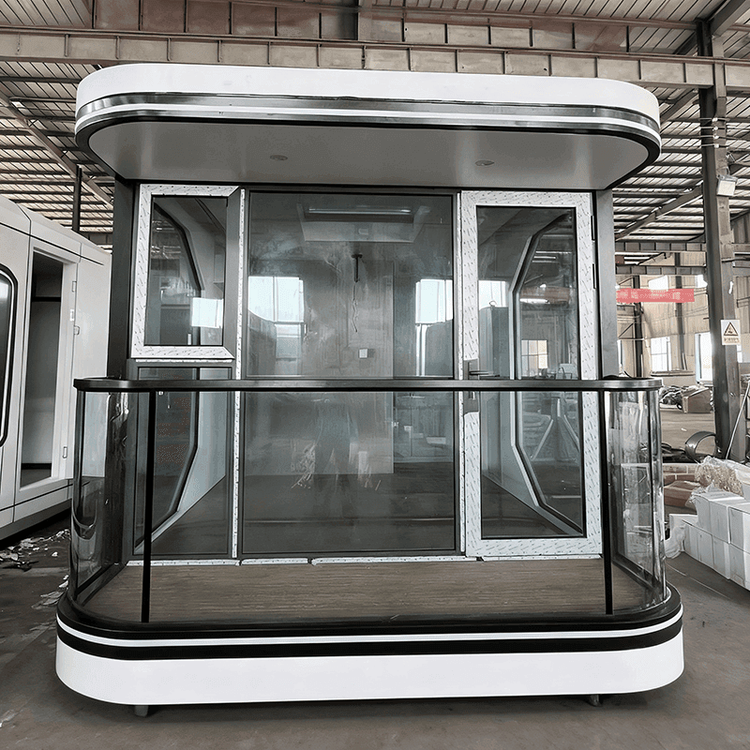
Cost-Effectiveness of Outdoor Portable Toilets
The cost-effectiveness of outdoor portable toilets should be evaluated comprehensively by considering scenario adaptability, material durability, system efficiency, and service integrity. It is advisable to first clarify core needs and then compare product features, avoiding a price-only导向 (here, '导向' is translated as an approach or focus, so the phrase means 'avoid focusing solely on price').

1. Scenario adaptability is the foundation of cost-effectiveness
Different scenarios have significantly varying demands for portable toilets. For example, construction sites require models that are impact-resistant and wear-resistant, with a preference for individual stalls to ensure privacy. Outdoor scenic spots or campsites, on the other hand, need waterproof and lightweight materials to adapt to complex terrains and climatic conditions. Choosing products that do not match the scenario may reduce actual value due to frequent damage or high maintenance costs. For instance, ordinary materials at construction sites are prone to deformation from heavy object collisions, leading to a shortened replacement cycle and increased long-term costs.
2. Material and structure determine durability and maintenance costs
Material directly affects the product's service life. Stainless steel, due to its corrosion resistance and strong impact resistance, can last more than 10 years in outdoor environments, offering higher long-term cost-effectiveness. In contrast, ordinary steel plates or materials without rust-proof treatment may require replacement within 3-5 years due to rusting, deformation, and other issues, thereby increasing total costs. Additionally, a modular structural design facilitates repair and upgrades, further reducing later maintenance expenses.
3. Flushing systems and sewage disposal methods affect user experience
Water-flush toilets are suitable for scenarios with municipal sewage networks, offering the best experience but relying on infrastructure. Foam-sealing or biodegradable types do not require a sewage network but require attention to water tank capacity and sewage disposal efficiency. For example, large-scale events choosing products with insufficient flushing systems may experience reduced actual value due to long queues or odor issues. Biodegradable types are more suitable for remote areas without sewage disposal conditions but require regular cleaning of degradation bacteria to ensure effective treatment.
4. Additional services and long-term costs should be carefully considered
Low-priced products may hide additional costs such as cleaning, maintenance, or usage time limitations. For example, some vendors offer low quotes but do not include regular cleaning services, which may lead to decreased worker efficiency at construction sites due to hygiene issues, indirectly increasing costs. Choosing manufacturers that provide free delivery, installation, maintenance, and cleaning services can significantly enhance long-term cost-effectiveness.
5. Customization capabilities and after-sales support ensure user experience
Whether a manufacturer can customize designs according to the scenario (such as separate facilities for men and women, barrier-free facilities) and provide timely after-sales service directly affects problem resolution efficiency. For example, in cold regions, it is necessary to confirm whether the product is equipped with heating devices to prevent pipeline freezing; otherwise, it will be unusable in winter, significantly reducing cost-effectiveness. Products lacking after-sales support may experience delays in repairs after failures, affecting normal use.