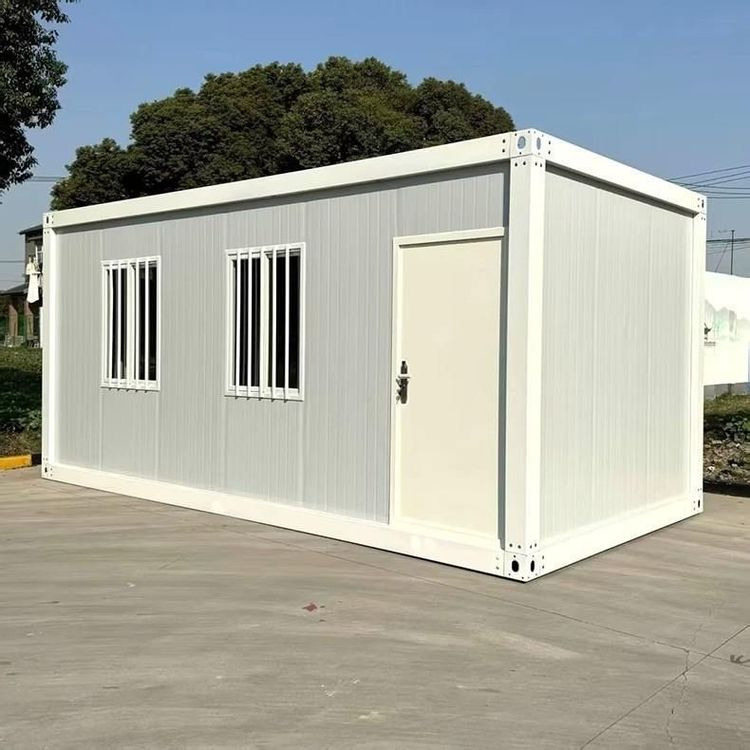
Outdoor Odor-Proof Mobile Toilet
Outdoor odor-proof mobile toilets achieve odor control through material selection, sewage treatment methods, and technical means.
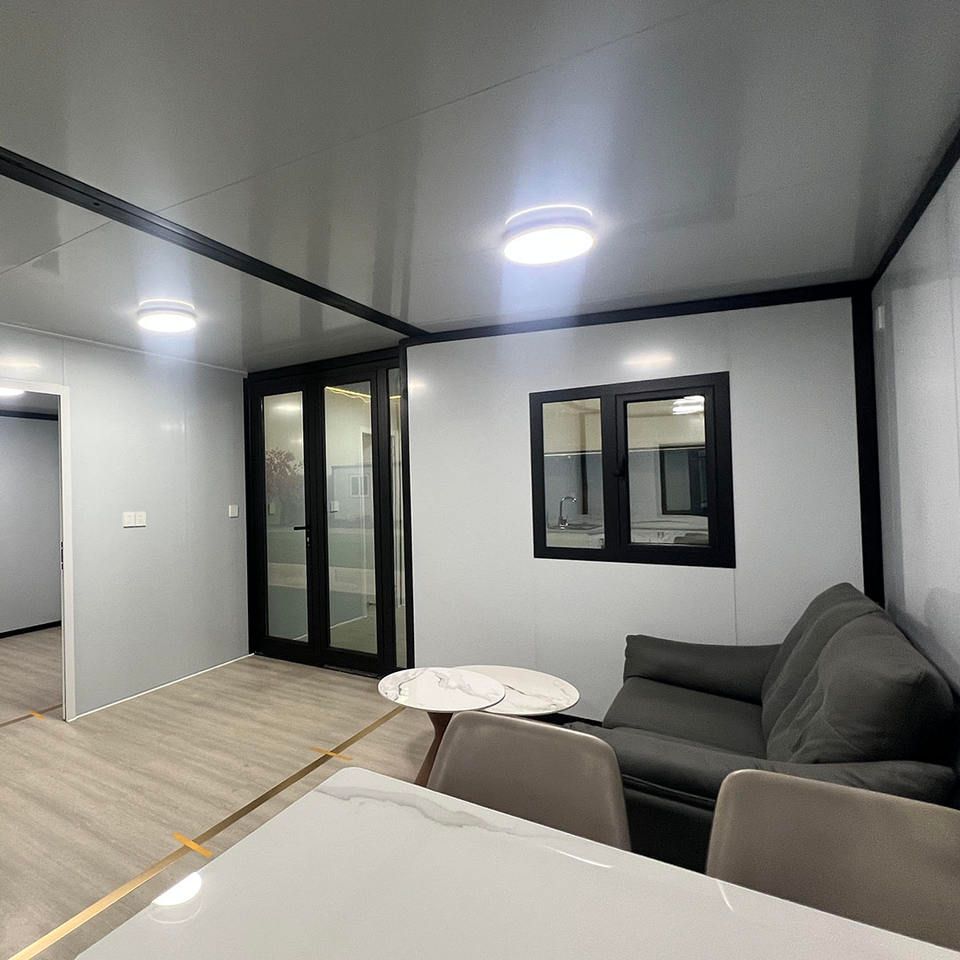
In terms of material selection, traditional mobile toilets often use wood, which easily absorbs and retains odors. Modern designs, however, prioritize the use of new materials such as fiberglass and polyethylene. These materials are chemically stable, have smooth surfaces, and are less likely to adsorb odor molecules, reducing odor generation at the source. For example, fiberglass-structured toilets have good sealing properties, effectively preventing odor leakage; polyethylene materials are corrosion-resistant and less likely to produce odors due to corrosion over long-term use.
Sewage treatment methods are the core of odor prevention, and mobile toilets can be classified into three types based on their treatment methods:
- Water-flush type: This type uses water flow to flush away excreta, utilizing the fluidity of water to quickly carry odor substances into the fecal storage tank or sewer, reducing the retention time of odors in the toilet. Such toilets require a water supply system and are suitable for outdoor scenarios with a water source.
- Dry-packing type: This method uses biodegradable plastic bags to seal and pack feces, blocking odor diffusion through physical isolation. Feces are completely isolated from the outside environment, and even after long-term storage, no significant odor is produced, making it suitable for areas without a water source or with high environmental protection requirements.
- Recirculating water-flush type: This combines water flushing with recycling technology, purifying sewage through biological degradation or chemical treatment to achieve water reuse. The treated water is odor-free and can be continuously used for flushing, saving water and reducing odor emissions.
Technical means further enhance odor prevention effects:
- Foam-sealing type: Foaming agents are injected at the drainage outlet to form a dense foam layer covering excreta, blocking odor volatilization through physical sealing. The foam also has a lubricating effect, reducing the amount of flushing water used, making it suitable for water-scarce areas.
- Waterless packing technology: This uses mechanical devices to automatically replace packing bags without manual contact throughout the process, preventing odor leakage. Some designs are also equipped with deodorization modules that use activated carbon or photocatalysts to adsorb residual odors.
In addition, the structural design of mobile toilets is also crucial. Well-sealed door frames and ventilation systems (such as forced exhaust or negative pressure designs) can accelerate odor expulsion, while details like odor-proof floor drains and U-shaped traps prevent sewer odor backflow. By integrating materials, treatment methods, and technical means, modern outdoor mobile toilets have achieved efficient odor prevention, meeting the sanitation needs of public places.