
What is an Outdoor Mobile Toilet?
An outdoor mobile toilet is a non-fixed sanitary facility with independent usage capabilities, which can be transported as a whole or in parts to different locations and quickly deployed.
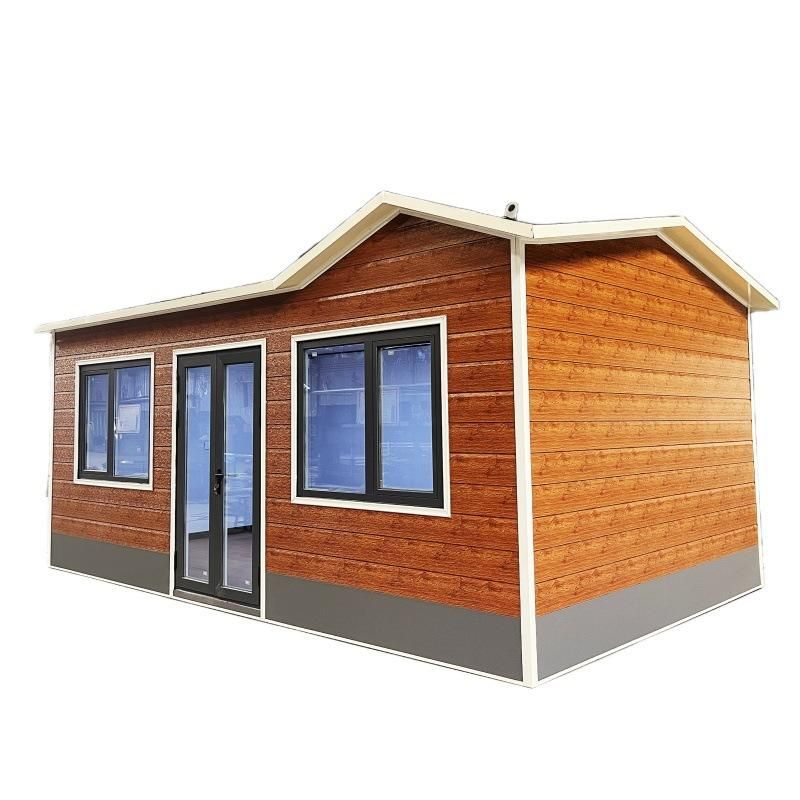
Flexibility
Outdoor mobile toilets break free from the reliance of traditional public restrooms on complex underground piping networks and fixed foundations, enabling rapid deployment without the need for large-scale civil construction. They have a wide range of application scenarios, including stations, docks, tourist attractions, large construction sites, squares, densely populated public places, and bustling commercial streets. For example, during temporary events or public emergencies, mobile toilets can quickly meet the toilet needs of large crowds, effectively alleviating the shortage of sanitary facilities.
Modularity and Customization
The dimensions of mobile toilets can be flexibly adjusted according to site conditions, with volume design balancing sewage storage capacity and maintenance frequency. Their appearance can be integrated into local landscape aesthetics, such as adopting ridge-shaped designs, metal carved wall panels, or open hand-washing areas, meeting both functional requirements and enhancing visual appeal. Some products also support customization of internal facilities, such as sinks, toilet paper holders, automatic sensor flushing devices, and intelligent lighting systems, and can even add barrier-free facilities to accommodate special populations.
Durability and Environmental Adaptability
Industry standards require the main structure of mobile toilets to have a service life of generally over 30 years, with core components such as welds undergoing meticulous manual processing to eliminate leakage risks. Their outer shells are mostly made of weather-resistant materials such as galvanized steel plates, metal carved panels, or eco-friendly anti-corrosion wood, with internal insulation layers and anti-freezing piping designs enabling normal operation in a wide temperature range from -20°C to 50°C, adapting to extreme climates such as severe cold and high heat.
Environmental Friendliness
Sewage treatment technology is one of the core advantages of mobile toilets. Early products mostly relied on septic tanks for storage, while modern technology has developed zero-emission or low-emission solutions such as biological degradation and vacuum suction. For example, biological degradation technology uses microorganisms to decompose feces, reducing sewage production; vacuum suction systems collect excreta through negative pressure, significantly reducing water consumption. These technologies effectively reduce environmental pollution and align with sustainable development principles.
Additional Features
Some high-end mobile toilets are also equipped with automatic sensor flushing, intelligent lighting, air purification systems, etc., enhancing the user experience. Their internal space is designed to be spacious, accommodating multiple users simultaneously, with some models even supporting multi-compartment combinations to further enhance practicality.



