
Outdoor Mobile Toilet Water
The water usage of flush-type mobile toilets in outdoor settings varies depending on the type and technology used.
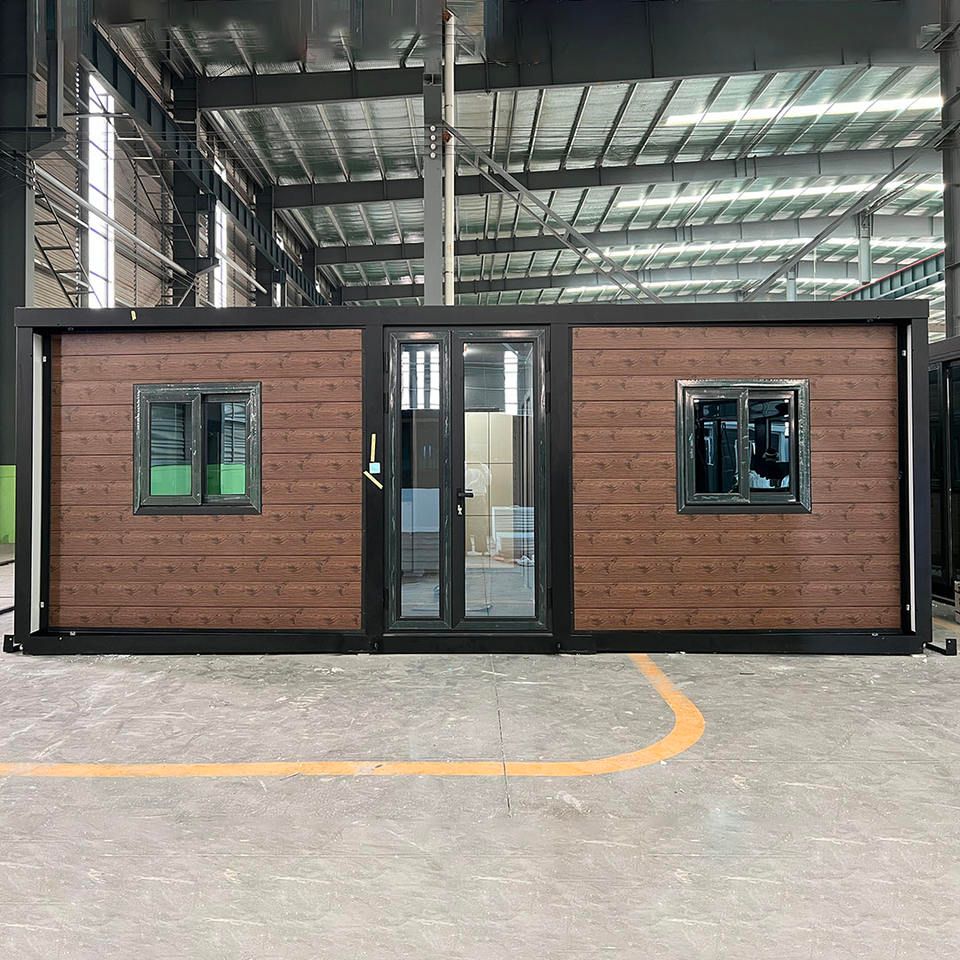
Flush-type mobile toilets use a flushing system to direct waste into a sewage tank, providing an experience similar to traditional fixed toilets with better odor control, making them suitable for scenic spots or urban public areas with a stable water supply. The amount of water used per flush varies depending on the flushing method and equipment model, and can be categorized into the following situations:
Traditional flush-type mobile toilets use a relatively conventional flushing method, with a single flush volume typically ranging from 3 to 6 liters. This type of mobile toilet has relatively mature technology and lower costs, but consumes a relatively large amount of water, potentially using significant water resources over long-term use.
Mobile toilets that employ water-saving technologies significantly reduce water consumption. For example, high-pressure air-water flush mobile toilets combine high-pressure air and water flow, using approximately 0.5 to 0.65 liters of water per flush. This flushing method ensures cleanliness while significantly reducing water usage, improving water resource utilization efficiency.
Mobile toilets with vacuum negative pressure flushing typically use 0.5 to 1 liter of water per flush. They utilize the principle of vacuum negative pressure to quickly suck waste into the sewage tank, using less water and providing effective flushing results while preventing odor from spreading.
Air-water flush toilets use 200ml, or 0.2 liters, of water per flush for solid waste. This flushing method further optimizes the ratio of water to air, minimizing water usage while ensuring cleanliness.
In addition, some high-end models of mobile flush toilets are equipped with rainwater harvesting and graywater reuse systems. The rainwater harvesting system collects rainwater, which is then treated and used for flushing; the graywater reuse system treats domestic wastewater to meet flushing water quality standards, enabling water resource recycling and embodying the ultimate in water conservation.



