Outdoor Mobile Toilet Usage Standards
The usage standards for outdoor mobile toilets cover six main aspects: site selection, cleaning, behavioral norms, special scenarios, electricity and sewage disposal, and capacity planning. Details are as follows:

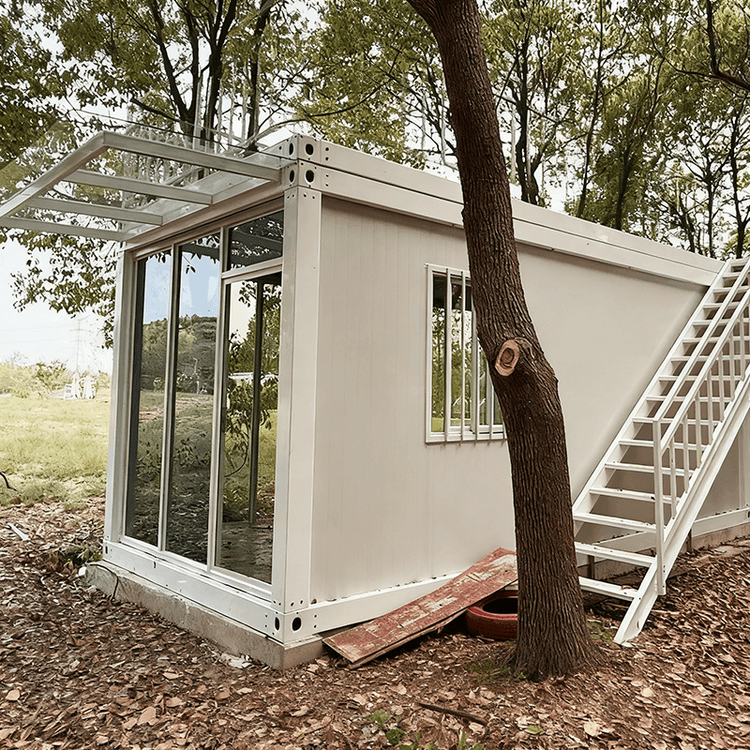
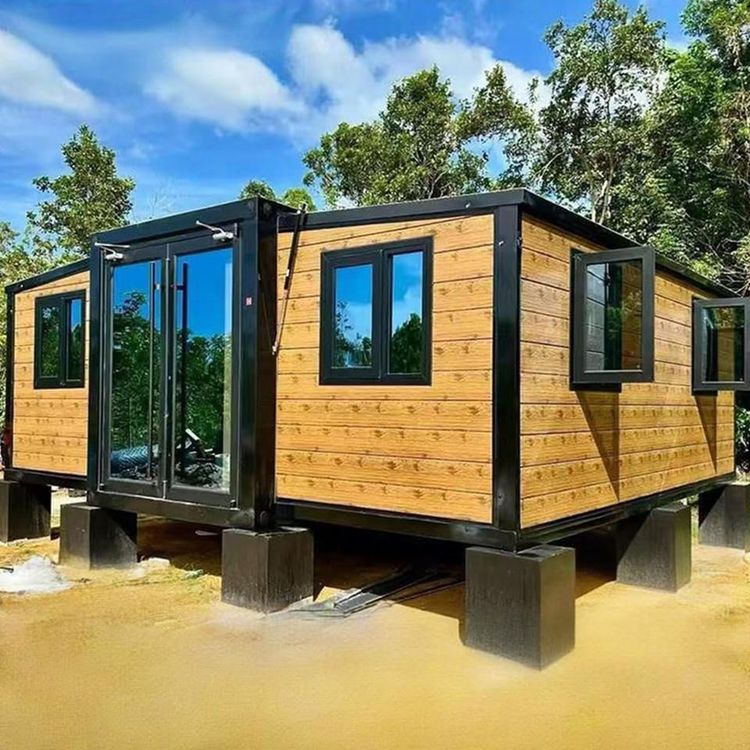
Site Selection and Placement Requirements: They should be located at least 5 meters away from water sources, food processing areas, and low-lying wet zones, and kept 3-5 meters from crowded areas to reduce odor diffusion. The ground should be flat and solid, with gravel or wooden planks laid if necessary to prevent tilting. Priority should be given to flat, dry areas that are not prone to water accumulation, avoiding the core activity areas.
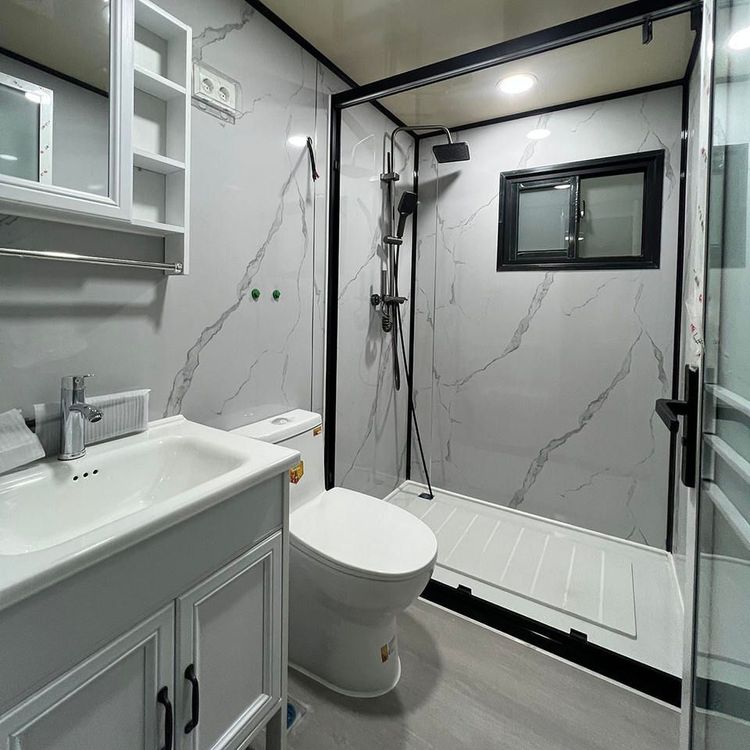
Daily Cleaning and Maintenance: Clean at least once a day, using a neutral cleaner to wipe both the inside and outside surfaces. Regularly check whether the flushing system, ventilation equipment, and electrical circuits are functioning properly. Provide dedicated trash bins and strictly prohibit dumping garbage into the toilet. If facilities are damaged, contact the rental company immediately for repairs. Lock the facilities at night to prevent unauthorized access. Before use, check that the equipment is intact, regularly clear garbage, replenish toilet paper and hand sanitizer, ensure there are no odors or stains in the toilet, and maintain ventilation and dryness to inhibit bacterial growth.
Behavioral Norms for Users: Users should take good care of the facilities and are prohibited from throwing debris or forcibly disassembling parts. Children should be accompanied by adults when using the toilet to prevent them from touching the flush buttons or electrical devices. Women's menstrual waste should be sealed in dedicated garbage bags and not disposed of in the toilet pipes. If the facilities are blocked, notify the management staff immediately and do not attempt to unclog them yourself.
Special Scenario Considerations: In hot weather (above 35°C), increase the cleaning frequency and place sunshades inside the facilities. In rainy or snowy weather, take anti-slip measures and promptly clear snow or water from the roof. During large-scale events, it is advisable to arrange for dedicated personnel to be on duty, and additional temporary toilets can be deployed during peak periods. Mobile toilets should be avoided in areas prone to wind and rain to prevent equipment from toppling over or being damaged, while also paying attention to the load-bearing capacity to avoid overloading.
Electricity and Sewage Disposal Standards: Mobile toilets equipped with an electrical system should ensure a stable power supply to avoid short circuits or electrical leaks. Sewage disposal should be carried out according to the rental company's instructions, and random discharge of sewage to pollute the soil or water sources is strictly prohibited. After the event, assist the rental company in promptly removing the equipment and restoring the site to its original condition.
Capacity Planning: Small mobile public toilets (3-5 stalls) are suitable for small-scale events, with a theoretical maximum simultaneous service capacity of 3-5 people. Medium-sized ones (6-10 stalls) are suitable for medium-sized parks or events, serving 6-10 people. Large-sized ones (more than 10 stalls) are suitable for large-scale events or transportation hubs, serving more than 10 people. During peak periods, one stall can serve an average of 8-12 people per hour. When planning, consider the ratio of male to female stalls (recommended 1:2 or 1:3) and the capacity of the fecal storage tanks (100-200 liters per stall).