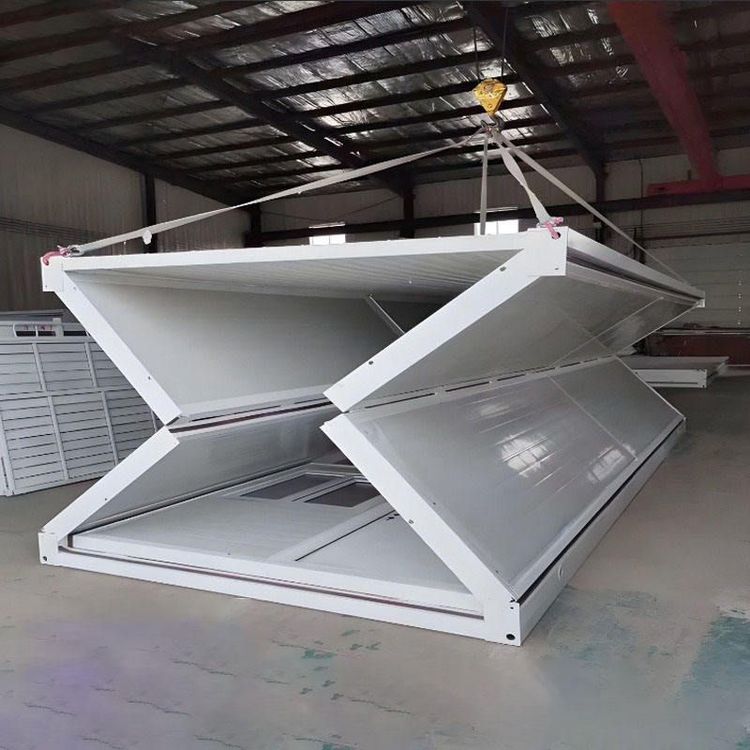
Outdoor Mobile Toilet Size
The common sizes of outdoor mobile toilets are as follows:

Single-person mobile toilet: The most common specification is 1.1 meters square (i.e., both length and width are 1.1 meters), with an internal height usually of 1.6 meters. This size is suitable for single-person use, but it should be noted that users taller than 1.6 meters need to lower their heads when entering, which may affect comfort. Its compact design is suitable for temporary events, construction sites, etc., but the space is relatively cramped and can only meet basic toilet needs.
Aisle width in public restrooms: There are clear specifications for the aisle width of the outer doors of toilet stalls in mobile public restrooms. The aisle width of the outer door of single-row toilet stalls should not be less than 1.3 meters, with a conventional design of 1.5 meters; the aisle width of the outer door of double-row toilet stalls should preferably be between 1.50 and 2.10 meters. This size ensures smooth user entry and exit, avoids congestion, and meets barrier-free requirements such as wheelchair passage.
Barrier-free toilet stall size: Barrier-free toilet stalls need to meet the needs of special groups. The minimum size should not be less than 1.8 meters by 1 meter, but in actual use, it is recommended to design them as 2 meters by 1.5 meters to enhance comfort. In terms of door width, 80 centimeters is the minimum standard, but to facilitate wheelchair entry and exit, the door should preferably open outward or reserve a 1.5-meter turning space. In addition, sufficient turning space should be reserved inside the barrier-free toilet stall to ensure that users can complete toilet actions independently.
Size selection suggestions:
- Single-person use scenarios: Prioritize the 1.1-meter square specification, but evaluate the user's height to avoid insufficient headroom.
- Public areas: Choose single-row or double-row toilet stalls according to the foot traffic, and strictly follow the specifications for aisle width to ensure passage efficiency.
- Barrier-free needs: The minimum size requirements must be met, and the door width and turning space should be optimized to reflect humanized design.
The size of outdoor mobile toilets should be comprehensively determined based on the usage scenario, population needs, and regulatory standards, taking into account both space utilization and user safety and comfort.