
Outdoor Mobile Toilet Sink
Outdoor mobile toilets are usually equipped with sinks, which are part of the washing facilities. Here is a detailed description of the sinks in outdoor mobile toilets:
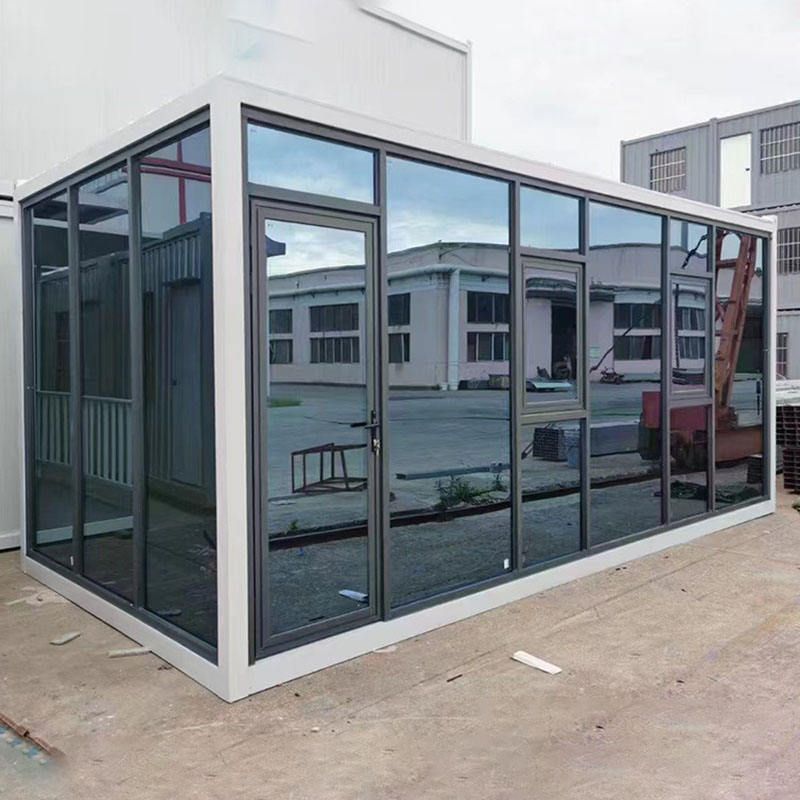
Sink Configuration
Factory-direct outdoor emergency mobile restrooms explicitly mention that they come with "all necessary sinks," indicating that sinks are one of the standard configurations for such products. Additionally, the composition of mobile toilets clearly includes "washing facilities," and sinks, as the core of washing, are typically included in the design. Their presence aims to meet the basic hygiene needs of users in outdoor activities or emergency scenarios, such as washing hands before meals and cleaning faces.
Sink Design Features
Material and Durability
Sinks in outdoor mobile toilets need to adapt to complex environments, so they are often made of high-density polyethylene (HDPE) or stainless steel, which are corrosion-resistant and impact-resistant. These materials can withstand erosion from natural factors such as rain and dust, as well as wear and tear from frequent use, extending the lifespan of the equipment.Water-saving and Drainage Systems
Considering the limitations of water use outdoors, sinks are usually equipped with water-saving faucets that reduce waste by limiting water flow or using sensor-based designs. The drainage system is separated from the fecal sewage storage tank or disposal device of the mobile toilet to avoid cross-contamination and ensure independent collection and treatment of wastewater.Space Layout Optimization
To accommodate the compact space of mobile toilets, sinks are often designed as wall-mounted or small pedestal types to reduce the footprint. Some products also combine sinks with storage cabinets to improve space utilization and facilitate the storage of cleaning supplies.
Application Scenarios of Sinks
Sinks in outdoor mobile toilets are widely used in temporary events, disaster relief, construction sites, and other scenarios. For example, at music festivals, marathons, and other large-scale events, sinks can be quickly deployed next to toilets to provide convenient cleaning conditions for participants; at disaster sites such as earthquakes and floods, their independent drainage and water-saving designs can reduce reliance on infrastructure and ensure the hygiene and safety of affected people.



