How About Outdoor Mobile Toilets
Outdoor mobile toilets are flexible, convenient, and cost-effective temporary sanitation facilities suitable for various outdoor scenarios, effectively addressing short-term or temporary toilet needs.

Basic Structure and Functions
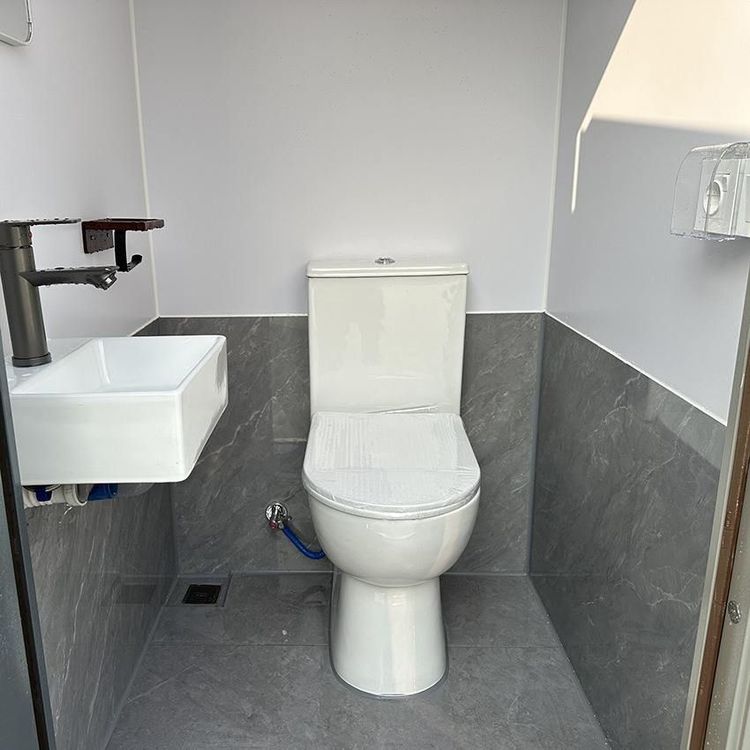
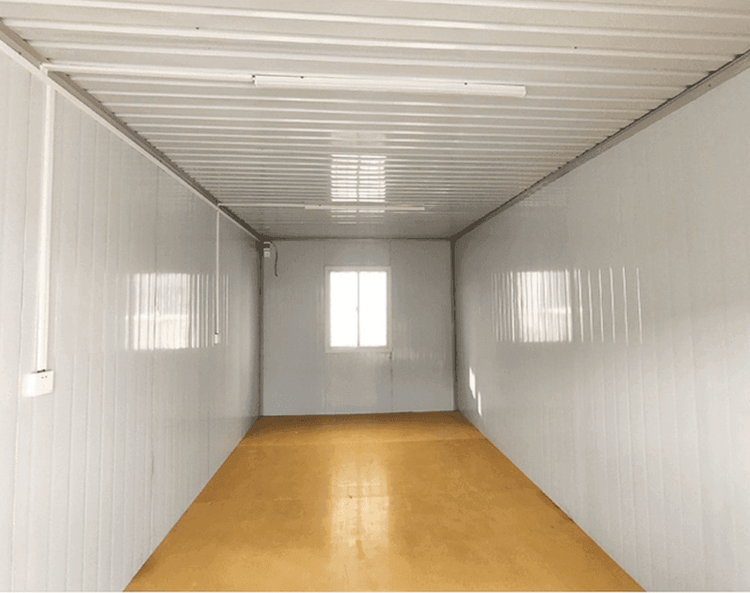
The main frame of outdoor mobile toilets is often made of lightweight materials (such as plastic, metal, or composite materials), ensuring structural stability and ease of movement. They are equipped with basic sanitation facilities such as toilets, sinks, and mirrors. Some high-end models also include lighting, ventilation systems, and chemical agents for the waste storage tank to reduce odors. The roof and sides are made of waterproof materials, providing sun and rain protection to ensure normal use in rainy weather.
Suitable Scenarios
- Outdoor Events: Large gatherings like music festivals and sports events have high foot traffic, and when there are insufficient fixed restrooms, mobile toilets can be quickly deployed to alleviate toilet pressure.
- Construction Sites: Construction sites often lack fixed sanitation facilities, and mobile toilets provide convenience for workers, improving the working environment.
- Tourist Attractions: In underdeveloped scenic spots or temporary camping areas, mobile toilets can meet the basic needs of tourists and prevent environmental pollution.
- Emergency Relief: In natural disasters or emergencies, mobile toilets provide temporary sanitation for affected people, reducing the risk of disease transmission.
Core Advantages
- High Flexibility: They can be repositioned as needed, suitable for temporary events or short-term use.
- Easy Installation: No complex construction is required; they can be quickly deployed on flat ground, saving time and costs.
- Low Cost: The purchase and maintenance costs are much lower than those of building fixed restrooms, with unit prices ranging from several thousand to tens of thousands of RMB.
- Environmental Friendliness: Some models use water-saving designs or biodegradable materials, reducing water consumption and environmental pollution.
Maintenance and Management Points
- Regular Cleaning: The waste storage tank should be emptied and disinfected regularly to avoid odors and bacterial growth.
- Equipment Inspection: Toilets, sinks, and other facilities should be regularly inspected and maintained to ensure proper functioning.
- Hygiene Supplies Replenishment: Consumables such as toilet paper and hand soap should be replenished promptly to enhance the user experience.
- Ventilation Treatment: In high-temperature environments, ventilation should be strengthened or deodorants used to keep the air fresh.
Purchase Recommendations
- Choose Specifications Based on Needs: Select the appropriate size and functional configuration based on foot traffic and usage duration.
- Prioritize Corrosion-Resistant Materials: Choose waterproof and corrosion-resistant materials to extend the service life.
- Consider Transportation Convenience: For scenarios requiring frequent movement, choose lightweight and easily disassembled models.
- Focus on After-Sales Service: Select suppliers that offer maintenance and cleaning services to reduce subsequent management pressure.
Future Trends
With technological advancements, outdoor mobile toilets may upgrade towards intelligence (such as automatic sensor flushing and solar power) and eco-friendly materials (recyclable or biodegradable materials), further enhancing the user experience and sustainability.