Outdoor Mobile Toilet Rental Contract
An outdoor mobile toilet rental contract typically includes the following core elements, which should be adjusted according to actual circumstances and comply with the relevant provisions of the Civil Code of the People's Republic of China:

1. Contract Parties Clearly specify the full names of Party A and Party B, their unified social credit codes (or ID numbers), contact information, and addresses to ensure the legal validity of the parties' qualifications. For example, Party A is the provider of the mobile toilets, and Party B is the user. All this information should be fully listed at the beginning of the contract.
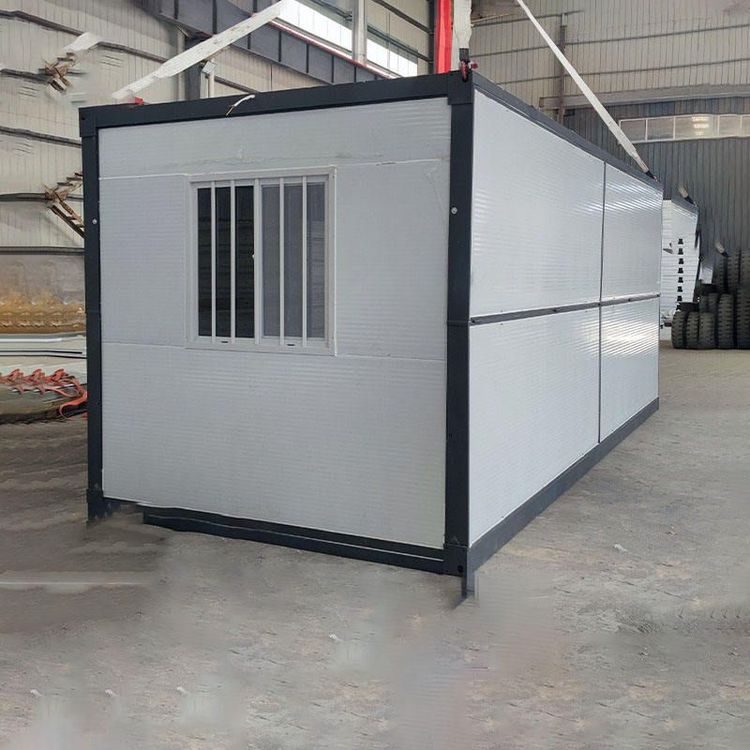
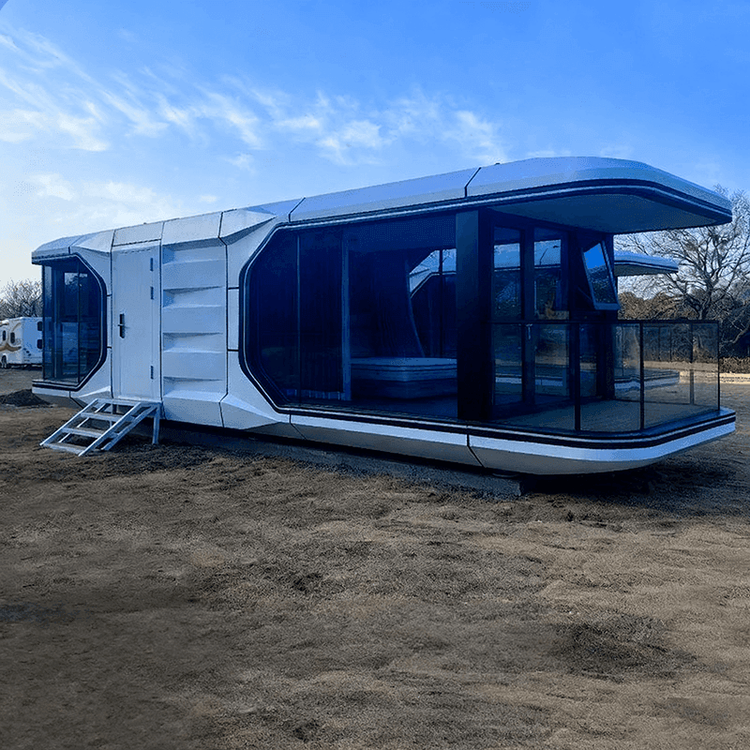
2. Rental Subject Provide a detailed description of the specifications and parameters of the mobile toilets, including the quantity, model (such as single-unit or connected-unit types), brand, size, and supporting facilities (such as sewage disposal systems and ventilation equipment). If special features (such as barrier-free facilities) are involved, they should be noted separately.
3. Rental Period and Fees
- Period: Clearly define the start and end dates. If the toilets are used beyond the agreed period, prior negotiation and the signing of a supplementary agreement are required.
- Rent: The rent can be charged on a daily basis (for example, 620 yuan per unit per day for up to 15 days and 580 yuan per unit per day for more than 16 days) or on a lump-sum basis. The payment cycle (such as installment or one-time payment) and the late payment penalty standard (such as 0.5% per day) should be specified.
- Deposit: Usually, it is equivalent to 1-3 months' rent. The deposit will be fully refunded upon the expiration of the rental period if there is no damage to the toilets. The situations for deposit deduction (such as equipment loss or substandard cleaning) should be listed.
4. Rights and Obligations of Both Parties
- Obligations of Party A:
- Provide equipment that meets national quality standards (such as GB/T 18092-2008 Mobile Toilets) and attach inspection reports.
- Be responsible for transportation, installation, commissioning, and daily maintenance (such as daily cleaning and disinfection) to ensure the normal use of the equipment.
- In case of failures not caused by Party B during the rental period, Party A should repair or replace the equipment within 24 hours.
- Obligations of Party B:
- Use the equipment for the agreed purposes and is prohibited from unauthorized modifications or subleasing.
- Supervise Party A's maintenance work and notify Party A promptly if any abnormalities are found.
- Restore the equipment to its original condition upon the expiration of the rental period and bear the repair costs for any man-made damage.
5. Liability for Breach of Contract
- Breach by Party A: If Party A fails to deliver on time or the equipment failure is not resolved within 48 hours, Party A should pay a penalty equivalent to 200% of the daily rent and compensate Party B for direct losses (such as fines for event delays).
- Breach by Party B: If Party B fails to pay the rent for more than 30 days, Party A has the right to terminate the contract and require payment of the remaining rent. If Party B makes unauthorized structural changes, Party B should pay the repair costs and a penalty equivalent to 20% of the total contract amount.
6. Contract Termination and Dispute Resolution
- Termination Conditions: Either party should give a 15-day written notice in advance. If Party B terminates the contract in advance, Party B should pay a penalty equivalent to 50% of the remaining rent.
- Dispute Resolution: If negotiation fails, the case should be submitted to the court in the location of Party A for litigation.
7. Other Clauses
- Force Majeure: If the contract cannot be fulfilled due to natural disasters, policy adjustments, etc., both parties are not liable for each other, but they should notify each other promptly and provide proof.
- Contract Amendment: For matters not covered, supplementary agreements can be signed, which have the same legal effect as the main contract.
Points to Note When Signing: The contract should be stamped with the official seal or the contract-specific seal, signed by the legal representative, and dated. It is advisable to have the contract terms reviewed by a legal advisor to avoid risks.