
Outdoor Mobile Toilet Photos
I cannot directly provide photos of outdoor mobile toilets, but I can describe their common features and styles in detail for you.
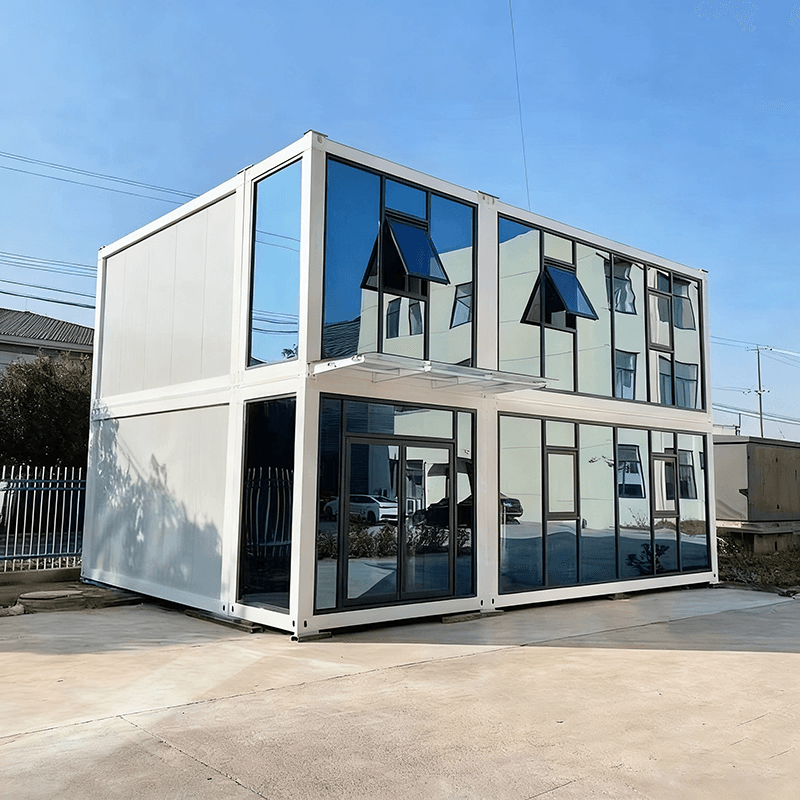
Outdoor mobile toilets typically exhibit a variety of appearances and functional characteristics based on usage scenarios and design requirements. From an overall structural perspective, some mobile toilets with a pastoral style feature a ridged roof design. This design not only enhances the aesthetic appeal of the structure but also effectively facilitates drainage, preventing water accumulation from damaging the roof. The roofing material is often thatch, a natural material that is not only eco-friendly but also creates a natural and rustic atmosphere that harmonizes well with the outdoor environment. The front is equipped with rainproof features, such as canopies or sunshades, which not only shield against rain but also provide some sun protection for users, enhancing overall comfort.
In terms of internal facilities, mobile toilets prioritize practicality and user-friendly design. The inclusion of public washbasins and vanity mirrors facilitates easy cleaning and grooming for users after use, meeting basic hygiene needs. The colors of the wall panels and doors are usually kept consistent, creating a unified and orderly overall style. Male toilets are typically equipped with partitions to protect user privacy, with the design considering both space utilization and privacy assurance.
Furthermore, the choice of materials for mobile toilets is crucial. To withstand the complex outdoor environmental conditions, their main structures are often constructed from sturdy and durable materials, such as metal frames or high-strength plastics, which can resist wind, rain erosion, and sun exposure aging. Meanwhile, the materials used for internal facilities also emphasize waterproof and moisture-proof properties, ensuring normal operation in humid environments and extending service life.
In terms of layout, mobile toilets are planned reasonably according to actual needs. Small mobile toilets may contain only one or two toilet stalls, suitable for locations with low foot traffic; whereas large mobile toilets may have multiple stalls, including accessible stalls and baby-changing rooms, to meet the needs of different user groups.



