Outdoor Mobile Toilet Materials
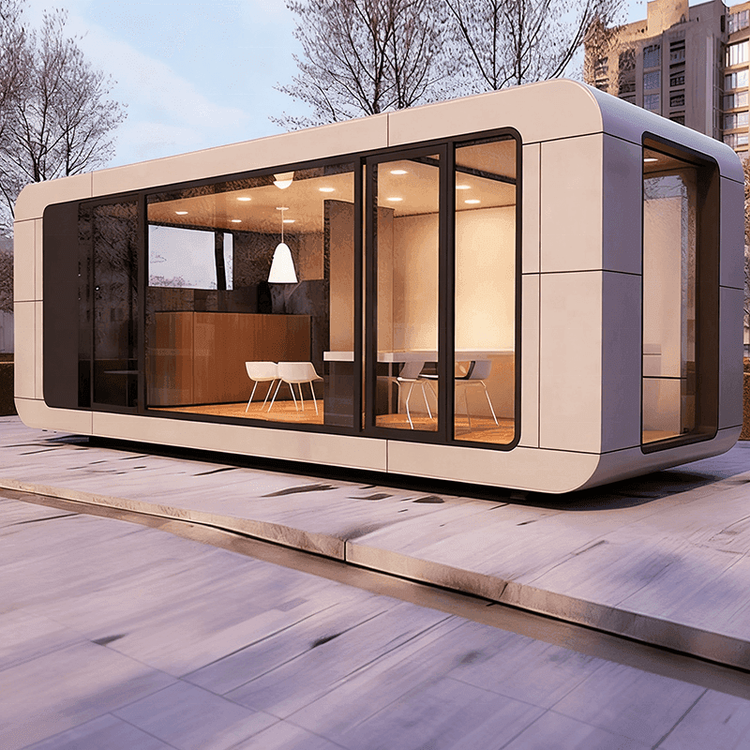
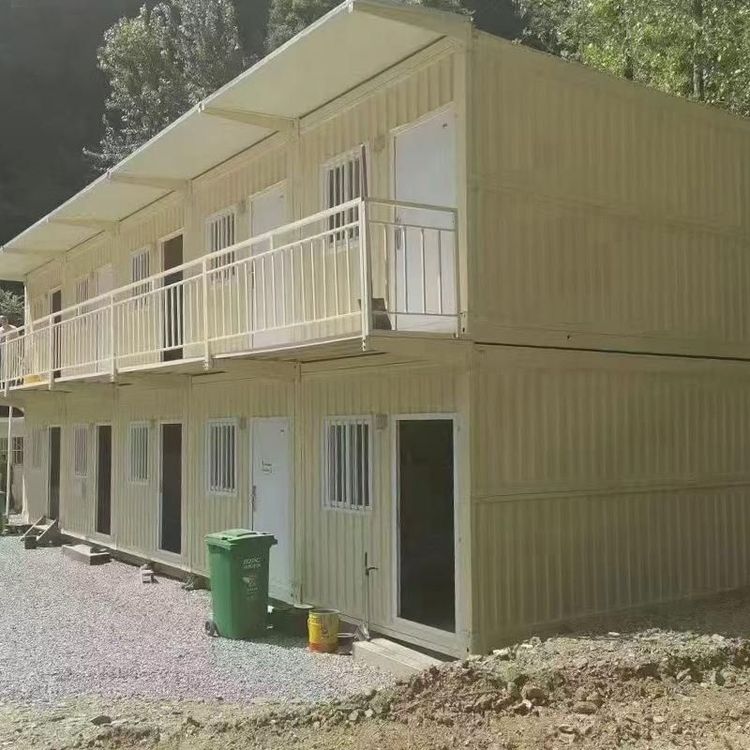
Common materials used for outdoor mobile toilets include stainless steel, galvanized steel sheets, anti-corrosion wooden boards, PVC plastic sheets, aluminum ceiling tiles, HPL (High-Pressure Laminate) sheets, and phenolic resin high-pressure sheets, among others. Different components select appropriate materials based on functional requirements.

Main frame materials are primarily metal, balancing strength and durability Stainless steel is the core material for the main frame of outdoor mobile toilets, commonly using 1.2-2mm thick stainless steel sheets. It offers high weather resistance, structural strength, and ease of maintenance, with surface painting further extending its corrosion resistance cycle. Galvanized steel sheets, as the foundational structural material, form a protective layer through galvanization, effectively preventing mold and bacterial growth while possessing anti-erosion properties, making them suitable for long-term exposure to outdoor environments.
Wall and ceiling materials focus on moisture resistance and durability The exterior walls often use thermal insulation materials, while interior countertops may employ marble to enhance texture. Aluminum ceiling tiles are widely used for wall or ceiling decoration due to their moisture resistance, impact resistance, stain resistance, and oxidation resistance. PVC plastic sheets, with their waterproof and moisture-proof properties, rich colors, and ease of cleaning, are preferred materials for interior partitions or walls. Anti-corrosion wooden boards, after special treatment, are suitable for humid or rainy regions, with their natural wood grain texture enhancing overall aesthetics.
Functional component materials emphasize practicality and ease of maintenance Public toilet partitions commonly use HPL sheets, which are waterproof, stain-resistant, wear-resistant, and easy to clean, meeting the demands of high-frequency use. Phenolic resin high-pressure sheets (artificial boards), through integrated molding processes, achieve moisture resistance, stain resistance, and ease of cleaning, but require high-quality hardware fittings to ensure stability. Additionally, fecal sewage storage tanks, water tanks, and other components may use engineering plastics such as high-density polyethylene (HDPE), balancing sealing properties and chemical corrosion resistance.
Material selection requires comprehensive consideration of environmental adaptability Materials for outdoor mobile toilets need to be optimized based on the climatic conditions (such as humidity and temperature variations) and usage frequency of the application scenario. For example, coastal areas should prioritize stainless steel or galvanized steel sheets with salt spray corrosion resistance; rainy regions can increase the proportion of anti-corrosion wooden boards or PVC plastic sheets; high-traffic areas need to enhance the wear resistance of HPL sheets or phenolic resin high-pressure sheets. Through material combination design, a comprehensive goal of structural stability, functional completeness, and low maintenance costs can be achieved.