
Outdoor Mobile Toilet Fecal Tank
The outdoor mobile toilet fecal tank is a core component in mobile toilets used for storing fecal wastewater, and its design must meet requirements for portability, airtightness, and durability. Here is a detailed explanation of its structure, materials, specifications, and usage scenarios:
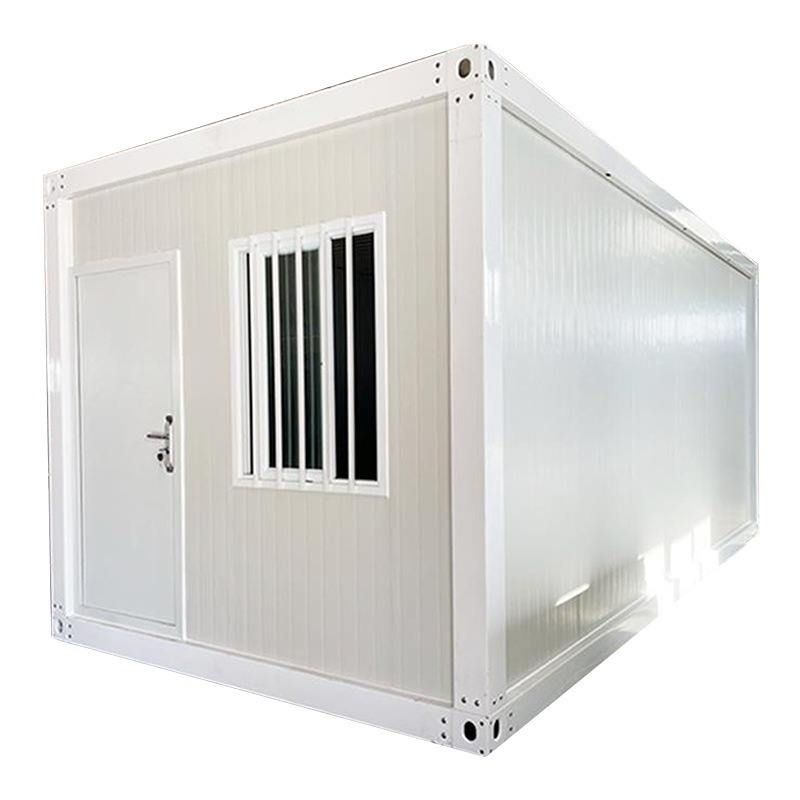
1. Basic Composition and Function
The fecal tank in mobile toilets is usually integrated as an independent module into the overall structure. Some models, such as mobile dry toilets, come with built-in fecal tanks and do not require external connection to a septic tank or water and electricity systems. Its core function is to airtightly store excreta, preventing odor leakage and environmental pollution. Some high-end models are equipped with fecal wastewater treatment devices that can achieve preliminary decomposition or disinfection, but most basic models still rely on regular removal and transportation.
2. Materials and Durability
The material of the fecal tank directly affects its service life and applicable scenarios:
- Stainless steel: Highly corrosion-resistant, suitable for humid or coastal environments, but relatively heavy and costly.
- Plastic (e.g., PE/PP): Lightweight and low-cost, but may age under long-term exposure to ultraviolet light, requiring the addition of UV stabilizers.
- Color-coated steel/steel structure: High structural strength, commonly used in large mobile toilets, but requires rust prevention treatment.
- Fiberglass-reinforced plastic: Combines lightweight properties with corrosion resistance, making it the preferred material for long-term outdoor use.
- Aluminum-plastic panel: Easy to clean on the surface, but relatively weak in impact resistance, suitable for low-frequency use scenarios.
3. Specifications and Capacity
The size of the fecal tank should be designed according to the number of users and the removal and transportation cycle:
- Height range: 2.3m to 2.9m, with common specifications of 2.5m or 2.7m, needing to match the overall height of the toilet.
- Capacity calculation: Based on an estimated daily excreta volume of about 1.5L per person, for a toilet serving 50 people with a removal and transportation cycle of 3 days, the fecal tank capacity should be no less than 225L.
- Typical dimensions: For example, in a mobile dry toilet made of color-coated steel, the fecal tank part has a length and width of 1.1 meters each and a height of 2.35 meters, with an integrated squat pan and fecal storage space inside.
4. Application Scenarios and Advantages
- Areas without infrastructure: Such as field construction, temporary events, or post-disaster relief, without the need to connect to sewers or power sources.
- Environmental protection requirements: The airtight design prevents direct discharge of feces, reducing pollution to soil and water sources.
- Flexibility: It can be quickly disassembled or moved to adapt to changes in the site.
5. Maintenance and Removal and Transportation
The fecal tank requires regular cleaning, usually carried out by professional vehicles that transport it to treatment stations. Some models are equipped with liquid level sensors or alarm devices to indicate when the tank is full. During use, avoid pouring foreign objects into the tank to prevent clogging of pipes or damage to the tank body.



