
Outdoor Mobile Toilet Environmental Protection
The environmental protection aspects of outdoor mobile toilets are mainly reflected in water conservation, resource recycling, the application of eco-friendly technological solutions, and the use of durable materials in design.
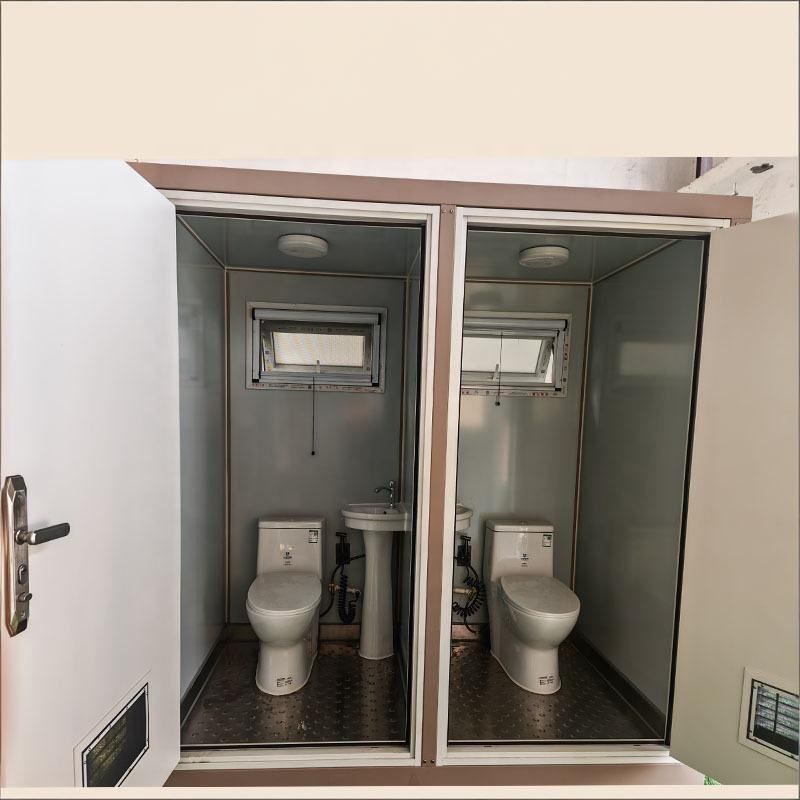
I. Water Conservation and Resource Recycling
Outdoor mobile toilets achieve water conservation goals through various technologies. For example, waterless flush toilets do not require connection to water supply and drainage pipes. They use biodegradation or physical sealing technologies to treat excreta, completely avoiding water consumption. Flush toilets, on the other hand, utilize rainwater collection and filtration systems to convert natural precipitation into toilet-flushing water. Additionally, they reuse hand-washing water for secondary flushing, creating a closed-loop water resource utilization system. This design significantly reduces the reliance of traditional toilets on municipal water supplies, making it particularly suitable for water-scarce areas or temporary event venues.
II. Diversified Eco-Friendly Technological Solutions
Outdoor mobile toilets incorporate various eco-friendly technologies:
- Waterless flush type: By adding microbial agents or cover materials (such as sawdust or coconut coir), excreta is decomposed and converted into harmless organic fertilizer, achieving zero-pollution emissions.
- Foam sealing type: Foaming agents generate foam that covers the surface of excreta, blocking odors and reducing the amount of flushing water required. The foam liquid can also be recycled, lowering the risk of chemical pollution.
- Flush type: These toilets combine water-saving flush devices with reclaimed water reuse systems to minimize water waste while maintaining hygiene standards.
III. Durable Materials and Sustainable Design
Some outdoor mobile toilets use metal carved panels as exterior wall materials. The insulation layer filled inside effectively reduces energy consumption and adapts to extreme weather conditions. Structurally, the use of galvanized steel frames extends the lifespan of the toilet body to over 15 years, far exceeding that of traditional temporary buildings and reducing construction waste generated by frequent replacements. Furthermore, modular design allows the toilets to be flexibly disassembled, reassembled, and reconfigured according to needs, prolonging the equipment's service life and further embodying the eco-friendly concept of efficient resource utilization.
These technologies and applications not only reduce the negative environmental impact of outdoor mobile toilets but also promote the development of sustainable public facilities through resource recycling and long-term use.



