
How to Design Outdoor Mobile Toilets
The design of outdoor mobile toilets requires comprehensive consideration of factors such as structural form, mobility method, and sewage treatment method, along with personalized design based on actual needs.
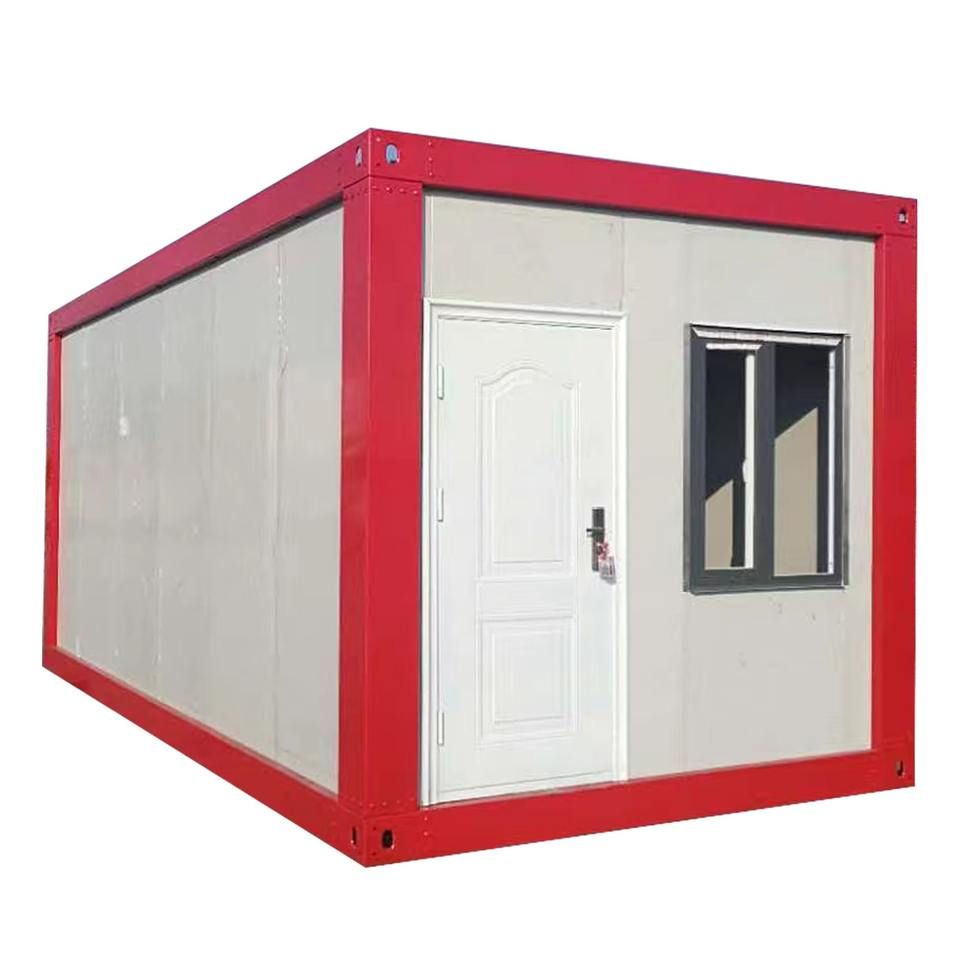
I. Structural Form Design
The structural forms of outdoor mobile toilets are mainly divided into single-unit and composite structures. Single-unit mobile toilets typically adopt an overall frame design, which is simple in structure and easy to move, suitable for temporary events or small-scale usage scenarios. Composite mobile toilets are composed of multiple modules and can flexibly adjust the spatial layout according to needs, suitable for long-term use or scenarios with high functional requirements. For example, the double-roof design outdoor mobile toilet from Dezhou Hongtu Metal Products Co., Ltd. uses metal carved panels as the exterior walls, which are both aesthetically pleasing and durable, while enhancing light transmission through two decorative windows, improving the user experience.
II. Mobility Method Design
The mobility method of mobile toilets directly affects their applicable scenarios and convenience. Common mobility methods include lifting/handling and powered/trailer types. Lifting/handling mobile toilets are usually smaller in size and lighter in weight, allowing for rapid movement via cranes or manual handling, suitable for temporary events or emergency rescue scenarios. Powered/trailer mobile toilets are equipped with a power system or trailer device, enabling self-movement or transportation via vehicle towing, suitable for scenarios requiring frequent movement or long-distance transportation.
III. Sewage Treatment Method Design
The sewage treatment method is a core aspect of mobile toilet design, directly affecting its environmental friendliness and ease of use. Common sewage treatment methods include water-flush and waterless suction types, as well as recirculating water-flush types. Water-flush mobile toilets are supplied with water from a tank, and after use, the sewage is discharged through a drain pipe into a sewage tank or municipal sewage network, suitable for scenarios with water sources and sewage disposal conditions. Waterless suction mobile toilets collect feces into a sealed container through vacuum suction or gravity, which is then periodically cleaned, suitable for scenarios lacking water or sewage disposal conditions. Recirculating water-flush mobile toilets reuse sewage through filtration and disinfection systems, saving water resources and being environmentally friendly.
IV. Personalized Design Cases
In addition to the above general designs, personalized designs can also be carried out according to actual needs. For example, a young man created a fully functional mobile toilet using a water storage tank by splitting the tank, fixing universal wheels, and installing a door frame and roof. The warm-toned Apple Cabin toilet from Dezhou Hongtu Metal Products Co., Ltd. adopts an overall warm-toned design with a dual-color exterior wall and double doors in the middle for insulation, being both aesthetically pleasing and practical.



