Convenience of Outdoor Mobile Toilets
The convenience of outdoor mobile toilets is mainly reflected in three aspects: installation, mobility, and structural design.

Easy Installation, Ready for Use Upon Placement
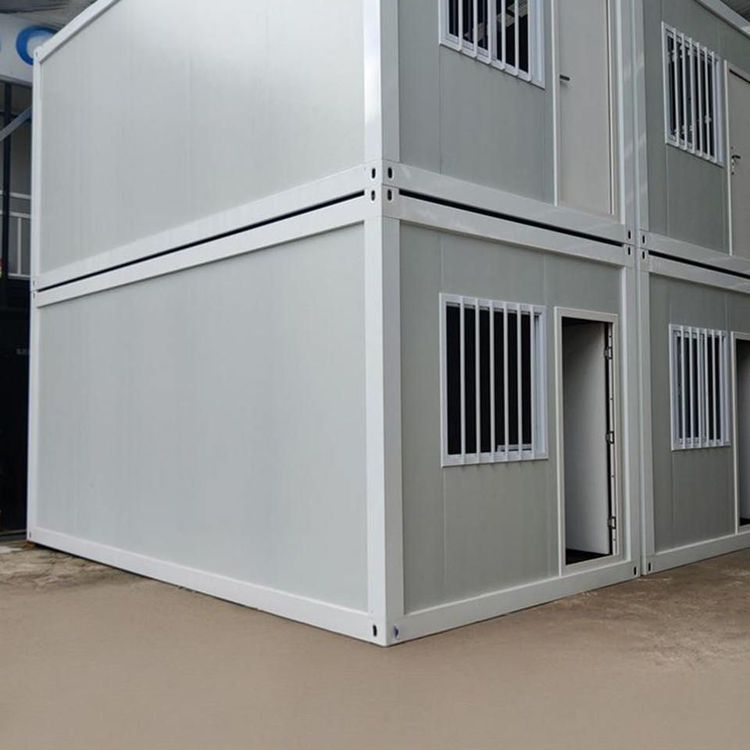
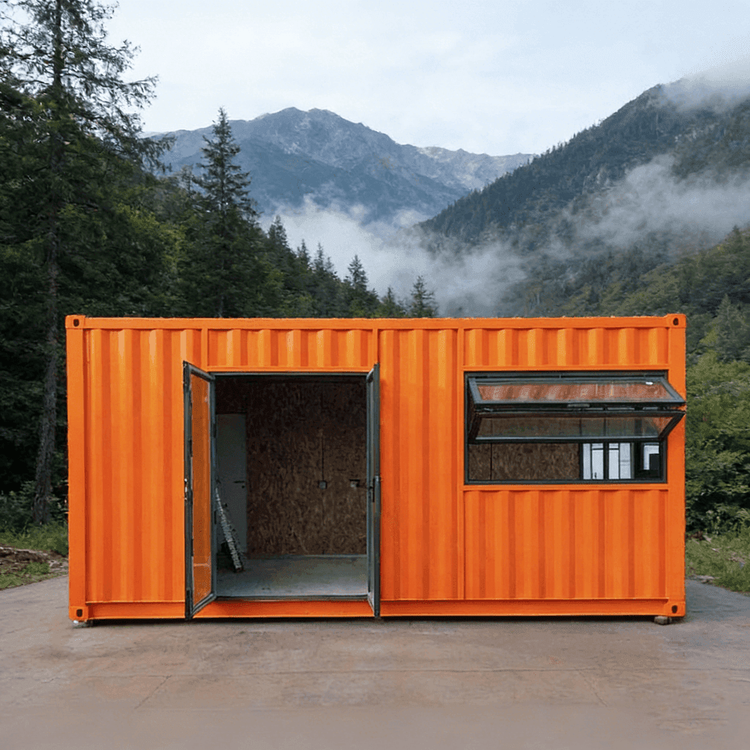
Outdoor mobile toilets adopt a modular design, eliminating the need for complex foundation construction or fixed installation procedures. Their structures are typically independent units that can be put into use simply through basic assembly, such as connecting water and electricity pipes and securing the base. Some models can even operate without external water and electricity connections, relying solely on built-in water tanks and fecal storage devices. This "plug-and-play" feature enables them to quickly respond to temporary needs. For example, at large outdoor events, disaster relief sites, or construction sites, they can be deployed in a short time, avoiding delays in use caused by the long construction cycle of traditional toilets.
Overall Mobility, Adaptable to Multiple Scenarios
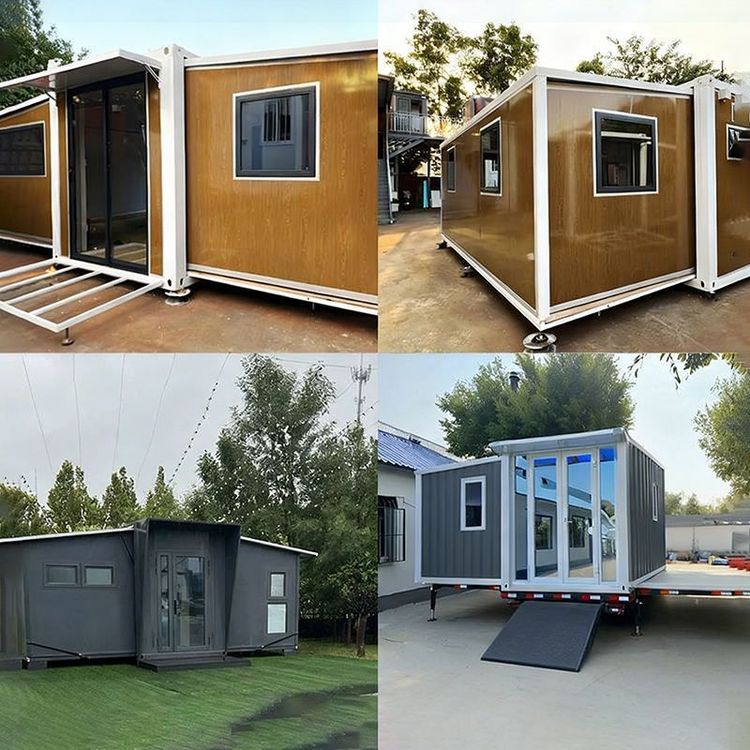
The core advantage of mobile toilets lies in their flexibility. They can be transported as a whole using cranes, forklifts, or specialized vehicles without the need for disassembly and reassembly, allowing for quick relocation according to actual needs. For instance, during peak tourist seasons at scenic spots, the toilets can be concentrated in areas with high foot traffic; after the event, they can be moved to other locations where they are needed. Additionally, their reusability significantly reduces long-term costs, as the same set of equipment can be recycled at different sites, making them particularly suitable for temporary or seasonal demand scenarios, such as music festivals, farmers' markets, and construction sites.
Lightweight Structural Design with Complete Moving Devices
To enhance portability, mobile toilets are usually manufactured using lightweight materials, such as high-strength plastics, aluminum alloys, or fiberglass-reinforced plastics, which reduce weight while maintaining structural strength. Some models are equipped with wheeled chassis or foldable supports to further simplify the handling process. The internal layout is also optimized, featuring compact sanitary facilities and integrated piping systems that meet functional requirements while avoiding transportation difficulties caused by excessive size. Moreover, the moving devices of mobile toilets, such as lifting rings and forklift slots, are reasonably designed to ensure stability and safety during transportation, minimizing the risk of damage.
In summary, outdoor mobile toilets achieve end-to-end convenience from deployment to use through modular installation, flexible mobility, and lightweight design, making them an efficient solution for addressing sanitation needs in temporary or mobile scenarios.