Outdoor Mobile Toilet Construction
There are various methods for constructing outdoor mobile toilets, and the appropriate approach can be selected based on the specific type, including mobile three-squat-position toilets, outdoor portable shower rooms and temporary toilets, and outdoor prefabricated mobile toilets.

Mobile three-squat-position toilets are characterized by their ability to be installed anywhere and set up in seconds, making them suitable for outdoor emergency scenarios. The construction process is relatively simple: after selecting an appropriate location, the main structure of the toilet is unfolded and secured, ensuring that each squat position is firmly connected. Simultaneously, auxiliary facilities such as sewage pipes are connected, allowing for quick use. The advantage of this type of toilet is its rapid construction speed, which can promptly meet temporary outdoor toilet needs.
Constructing outdoor portable shower rooms and temporary toilets is relatively convenient. Taking tent-style examples, the process begins with clearing the site and laying the tent body flat on the ground. Following the instructions, the tent supports are erected sequentially, ensuring they are firmly connected to form a stable structure. For shower tents, attention should also be paid to installing showerheads, water pipes, and other equipment, as well as performing waterproofing treatments. When dismantling, the process is reversed: the supports are removed, the tent is folded neatly, and placed into a storage bag.
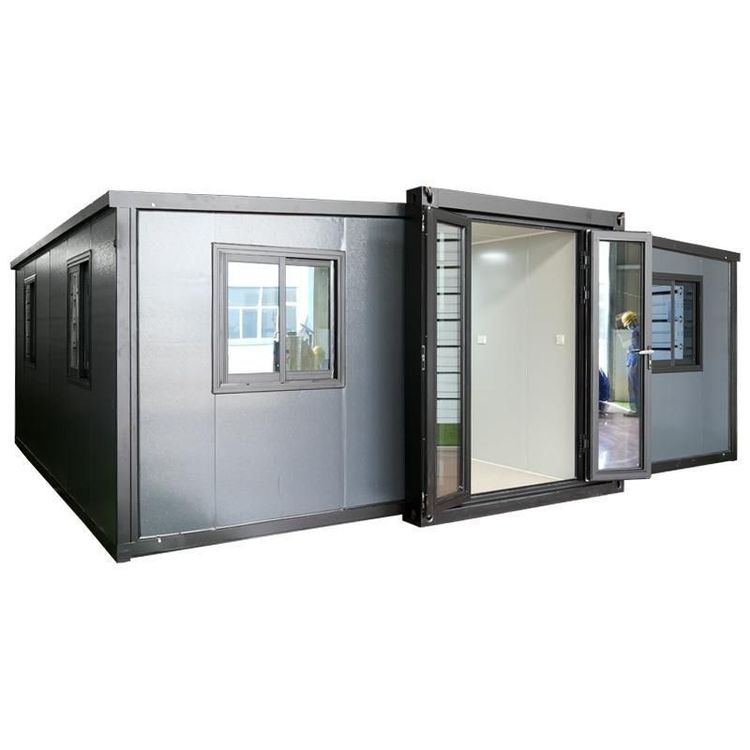
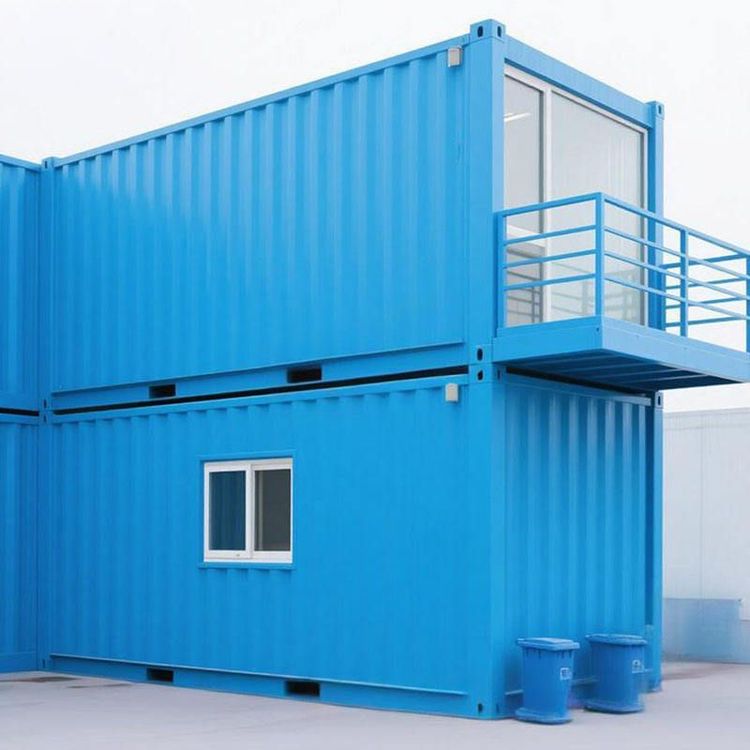
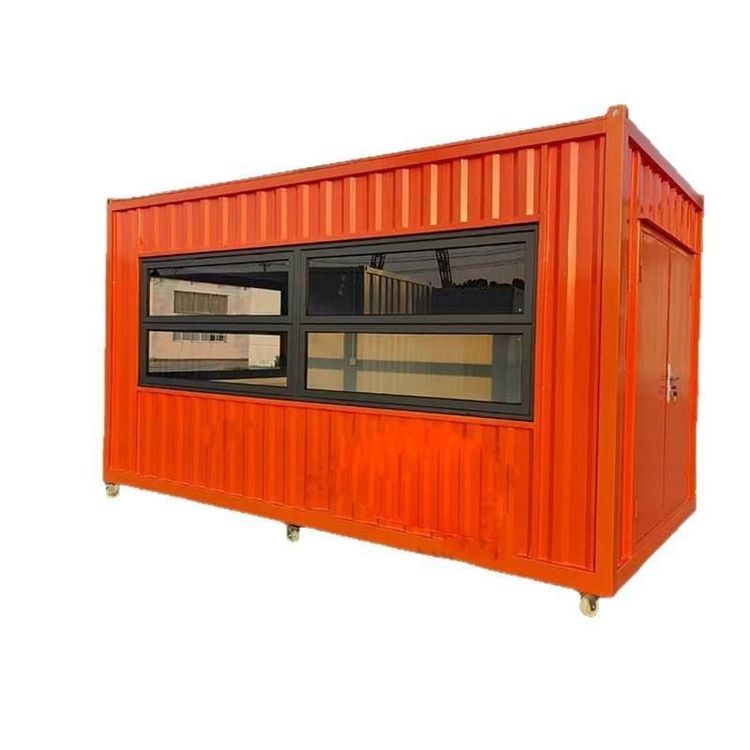
Outdoor prefabricated mobile toilets typically come with installation videos explaining the construction process. Their construction usually requires certain professional skills and tools. First, the site is leveled and the foundation is prepared. Then, according to the design drawings, various prefabricated components are assembled, including walls, roofs, doors, and windows. Water and electricity lines are connected, and sanitary fixtures and other equipment are installed. Finally, debugging and inspections are conducted to ensure that all toilet functions operate normally.
As a facility that can be moved as a whole and placed at locations with fixed or temporary needs, mobile toilets provide convenient toilet services for the public and customers. Different types of outdoor mobile toilets have their own characteristics in terms of construction methods. During the actual construction process, the appropriate type should be selected based on specific needs and site conditions, and construction should be carried out strictly in accordance with operational specifications to ensure safety and practicality.