
Outdoor Mobile Toilet
An outdoor mobile toilet is a facility that can be moved as a whole and provides toilet services to the public. It is suitable for various places and has multiple structural, mobility, and sewage treatment methods.
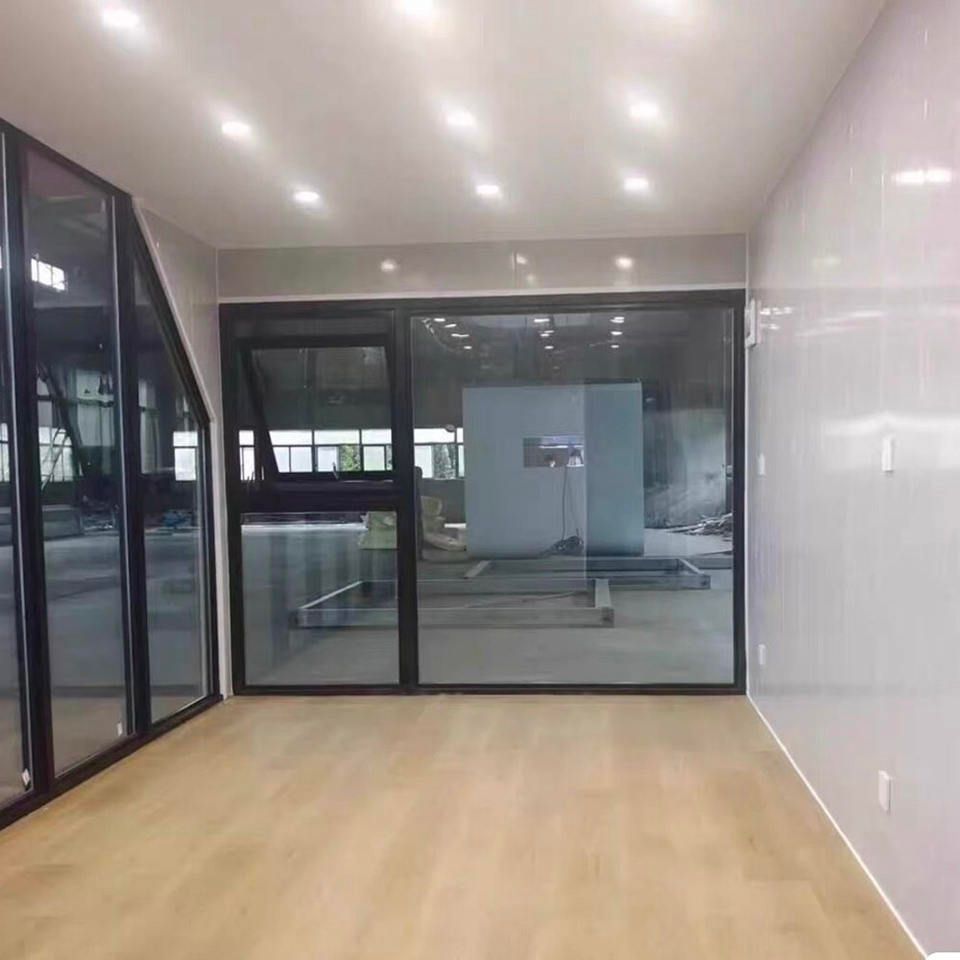
Suitable Places: Outdoor mobile toilets are suitable for stations, docks, tourist attractions, villa areas, newly built residential communities, large construction sites, squares, densely populated public places, and bustling commercial streets. These places often have a high flow of people, and the demand for toilet facilities can be temporary or fixed. Mobile toilets can flexibly meet these needs. For example, at tourist attractions, the number of tourists increases significantly during holidays, and mobile toilets can be quickly deployed to relieve toilet pressure. At large construction sites, as the project progresses, mobile toilets can be easily moved to different construction areas.
Composition Structure: It generally consists of a fecal sewage storage tank (or fecal sewage treatment device), floor slab, sanitary ware, walls, washing equipment, water tank, roof, and mobility device. These components work together to ensure the normal operation of the mobile toilet. The fecal sewage storage tank is used to collect and store fecal sewage. Sanitary ware such as squatting pans and urinals provides basic toilet functions, while the walls and roof serve protective and isolating purposes.
Structural Forms: According to the structural form, they can be divided into single-structure mobile toilets and composite-structure mobile toilets. Single-structure mobile toilets are relatively independent, have a simple structure, and are relatively easy to install and move. Composite-structure mobile toilets are composed of multiple parts, may have more comprehensive functions, and are suitable for places with higher requirements for toilet facilities.
Mobility Methods: According to the mobility method, they can be divided into hoisting and handling mobile toilets and powered and towed mobile toilets. Hoisting and handling mobile toilets usually require the use of lifting equipment for movement and are suitable for places with a low frequency of movement. Powered and towed mobile toilets can be moved by vehicle traction or their own power, which is more flexible and convenient and suitable for places that require frequent movement.
Sewage Treatment Methods: According to the sewage treatment method, they can be divided into water-flush and non-water-flush suction mobile toilets, circulating water-flush mobile toilets, and dry-packing mobile toilets. Water-flush and non-water-flush suction mobile toilets treat fecal sewage through water flushing or suction. Circulating water-flush mobile toilets recycle the treated water to save water resources. Dry-packing mobile toilets pack the feces for treatment and do not require water, making them suitable for water-scarce areas.



