
Outdoor Mobile Tent Toilet Images
Currently, we cannot directly provide images of outdoor mobile tent toilets, but we can offer a detailed description of their appearance and structural features to help you form a vivid impression.
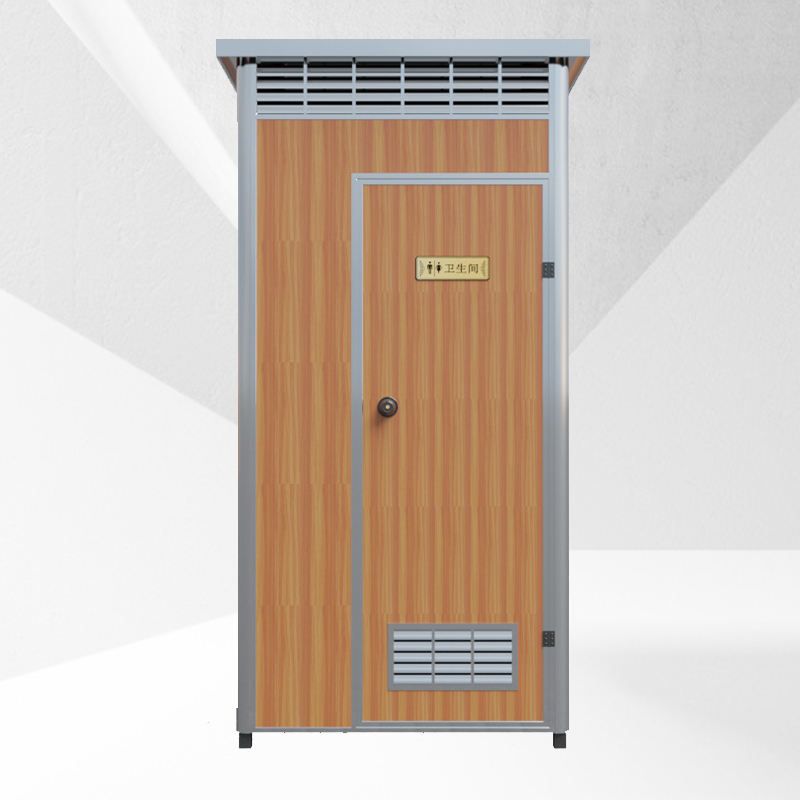
Appearance
Outdoor mobile tent toilets generally present as independent tent structures resembling small houses. Their shapes are relatively regular, mostly rectangular or cubic, facilitating easy setup and mobility. The tent roofs are typically designed with an arch or flat top. The arched roof helps rainwater naturally slide off, reducing water accumulation and preventing damage to the tent roof due to excessive weight from water. The flat-top design is relatively simple and is suitable for flat sites with low drainage requirements. The tent is surrounded by waterproof and wind-resistant fabric on all sides, available in various colors such as army green, gray, and blue. These colors not only provide a certain degree of concealment but also blend well with the outdoor environment, reducing a sense of incongruity.
Structural Composition
Tent toilets are generally composed of two main parts: a frame and tent fabric. The frame is often made of lightweight yet sturdy metal materials, such as aluminum alloy. This material offers high strength and low weight, making it easy to transport and set up while being able to withstand a certain amount of external force to ensure the stability of the tent. The tent fabric is selected from special materials with waterproof, sun-resistant, and tear-resistant properties to ensure normal use in various harsh outdoor environments. Inside the tent, there is usually an independent toilet space equipped with basic facilities such as a toilet and a sink. Some may also be installed with lighting equipment and ventilation systems to provide a comfortable user experience.
Setup Method
Setting up an outdoor mobile tent toilet is relatively simple and generally does not require professional tools or a large amount of manpower. Typically, the frame is first assembled according to the instructions, and then the tent fabric is fixed onto the frame. Finally, some fine adjustments and fastenings are made, such as tightening the ropes of the tent fabric and securing the ground stakes, to ensure the stability of the tent. The entire setup process may only take a few people a few tens of minutes to complete, making it highly suitable for temporary outdoor use.



