
Principles of Outdoor Mobile Public Toilets
The principles of outdoor mobile public toilets vary depending on their types, mainly involving the working mechanisms of treatment, structural, and ventilation systems.
I. Treatment System Principles
- Waterless Mobile Toilets: These employ biodegradation or physical adsorption techniques to treat feces. For instance, by adding special microbial agents, feces are decomposed into carbon dioxide and water, reducing volume and eliminating odors without the need for water flushing, significantly lowering water consumption.
- Water-Flush Mobile Toilets: These rely on a water source and sewage pipes, using the force of water to flush feces into the sewage system. Regular cleaning of the sewage tank is required to ensure proper system operation, with principles similar to those of traditional toilets.
- Ecological Mobile Toilets: These utilize microorganisms to decompose feces into organic fertilizers, achieving resource recycling and offering both environmental and economic benefits.
II. Structural System Principles
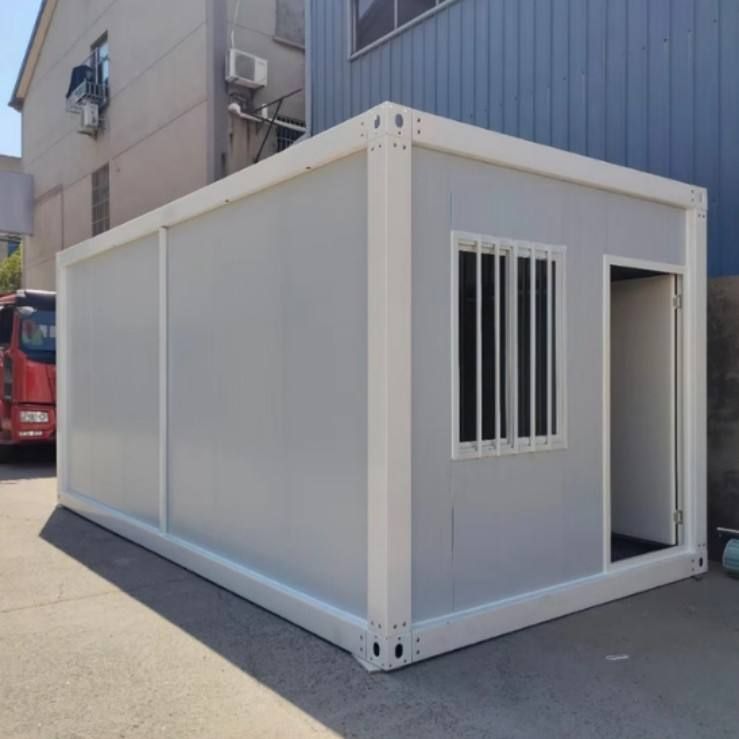
The main frame is typically constructed using steel-reinforced concrete, secured through welding or bolting to form a stable support. The exterior is covered with metal panels or eco-friendly composite materials. This design ensures structural strength while reducing transportation and installation difficulties. Internally, an independent sewage system is configured, with some models integrating septic tanks or directly connecting to municipal sewage networks to ensure harmless treatment of sewage. For example, septic tanks further decompose organic matter through stratified sedimentation and anaerobic fermentation, reducing pollution.
III. Ventilation System Principles
Air circulation is maintained through natural convection or small fans, with some high-end models equipped with deodorization devices (such as activated carbon filtration or photocatalytic technology) to effectively reduce odor diffusion. Natural ventilation relies on temperature differences or wind pressure differentials between the inside and outside of the toilet to create airflow, while mechanical ventilation uses fans to force air exchange, improving air quality.
IV. Comprehensive Design Features
The modular design of mobile toilets allows for rapid assembly and disassembly, adapting to various scenarios. For example, waterless models are suitable for water-scarce areas, water-flush models are ideal for regions with municipal sewage network support, and ecological models are more applicable to agricultural or ecological parks. Additionally, the corrosion resistance and thermal insulation of the exterior materials have been optimized to withstand complex outdoor environments.
These principles collectively ensure the functionality, environmental friendliness, and practicality of mobile toilets, meeting the sanitation needs of public spaces.



