
Outdoor Mobile Aging Toilet
Answers to questions related to outdoor mobile aging toilets are as follows:
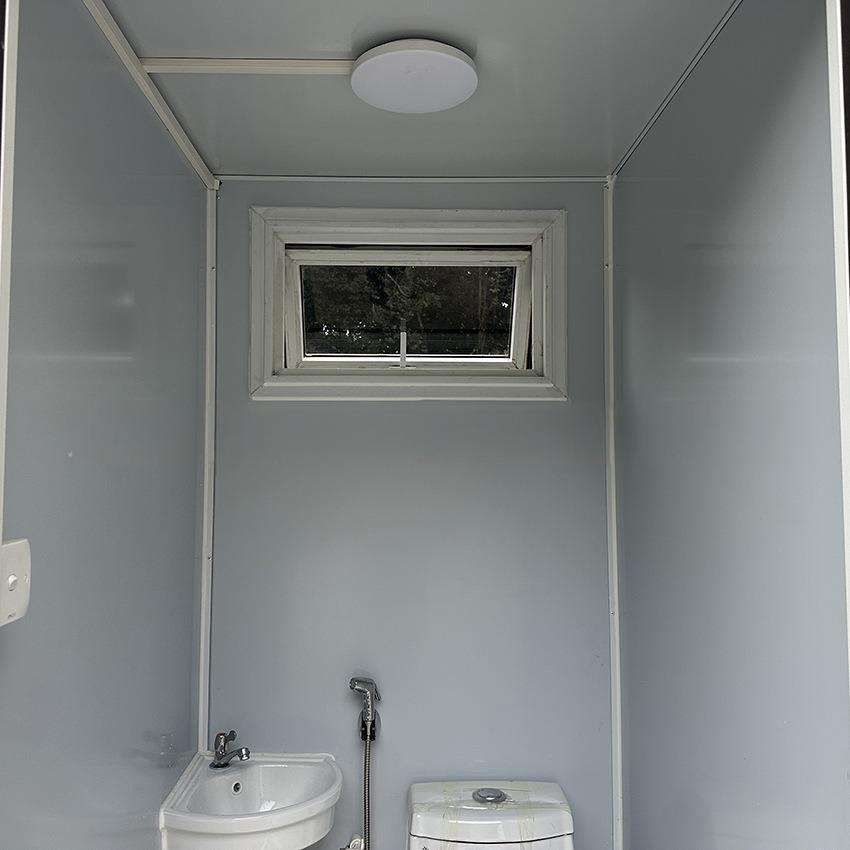
Problems that may arise from long-term outdoor use In long-term outdoor use, the exterior wall panels of mobile toilets are prone to aging, embrittlement, and discoloration. These problems mainly stem from natural factors such as ultraviolet radiation, temperature fluctuations, and rain erosion, which lead to a decline in material performance and affect the overall appearance and service life of the temporary facilities. For example, ordinary plastic or metal exterior wall panels may fade, crack, or even experience structural loosening after long-term exposure.
Anti-aging solutions To enhance weather resistance, new materials such as BOPET anti-aging film can be used. BOPET (biaxially oriented polyester film) has excellent properties including UV resistance, corrosion resistance, and mechanical strength, effectively blocking the erosion of the toilet body by the external environment. By covering the exterior wall panels with this film layer, the service life of the materials can be significantly extended, allowing the mobile toilets to maintain a clean appearance and stable structure after long-term outdoor use.
Composition and structure of mobile toilets Mobile toilets typically consist of the following core components:
- Fecal sewage storage tanks or disposal devices: Used for collecting or treating excrement, with some models equipped with biodegradation technology to reduce pollution.
- Floor and wall panels: Made of waterproof and anti-slip materials to ensure safety and hygiene during use.
- Sanitary ware and washing equipment: Including toilets, sinks, etc., which need to conform to ergonomic design.
- Water tanks and roofs: Water tanks provide water for flushing, and roofs need to be waterproof and heat-insulating.
- Mobile devices: Such as wheels or towing structures, facilitating transportation and rapid deployment.
Applicable scenarios Due to their flexibility and functionality, mobile toilets are widely used in outdoor locations such as stations, docks, tourist attractions, construction sites, and large-scale event venues. Their modular design allows for quick assembly and disassembly, meeting the needs of temporary or long-term use while reducing reliance on fixed sewage systems.
Summary Outdoor mobile toilets need to solve aging problems through material upgrades (such as BOPET anti-aging film) and rely on standardized components to achieve multi-functional adaptation. Their application scenarios cover public areas with high pedestrian traffic and are an important solution for temporary sanitary facilities in modern cities.
Reference source: Research on the Application of Anti-aging Materials for Mobile Toilets Reference source: Design and Application Specifications for Mobile Toilet Structures



