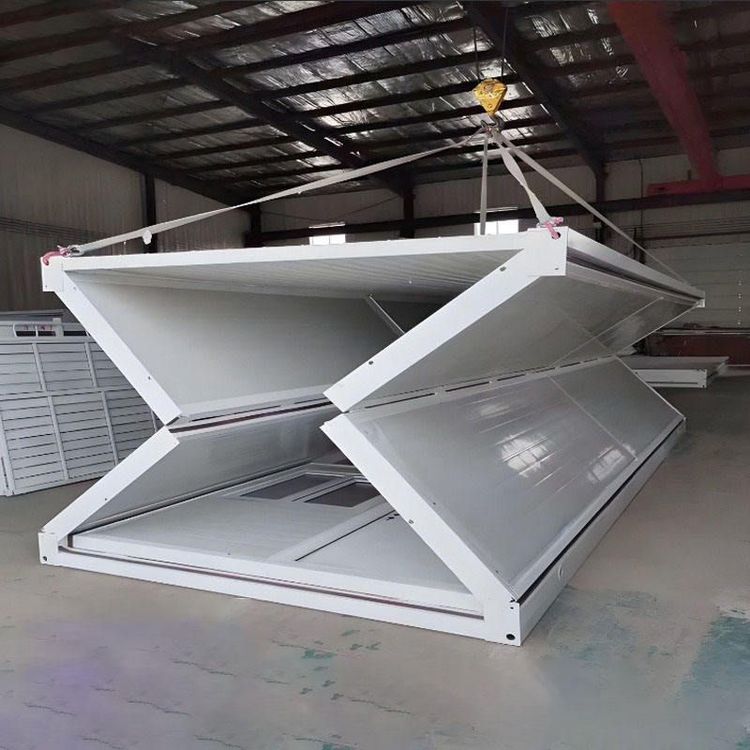
Outdoor Home Portable Toilet
An outdoor home portable toilet is a facility that can be moved as a whole and placed in fixed or temporary locations to provide toilet services for the public and customers, suitable for scenarios such as villa areas.

I. Basic Components A portable toilet typically consists of a fecal sewage storage tank (or disposal unit), flooring, sanitary ware, walls, washing equipment, a water tank, a roof, and a mobile unit. Its materials have gradually upgraded from early wood to lightweight and durable materials such as fiberglass and polyethylene, ensuring structural strength while reducing overall weight for easy transportation and installation.
II. Classification Methods
- By structural form: It is divided into single-unit structures (independent units) and composite structures (multi-unit combinations), with the latter able to meet larger space requirements through splicing.
- By mobility method: It includes lifting and handling types (requiring lifting equipment) and powered towing types (tractable for movement), adapting to different terrains and transportation conditions.
- By sewage treatment method:
- Water-flush and waterless-flush suction types: Rely on a water source or regular suction of fecal sewage;
- Recirculating water-flush types: Reuse water resources through a filtration system to reduce consumption;
- Dry-pack types: Use degradable bags to collect feces without flushing, highlighting environmental friendliness.
III. Core Advantages
- Flexibility and reusability: It can be quickly deployed to any location where needed, such as villa courtyards and temporary event venues, and can be disassembled and reassembled multiple times.
- Design principles: It adheres to the principles of easy mobility, economic durability, and environmental ecology, using lightweight materials (such as thermal-insulated exterior walls and marble countertops) and controlling height and width to adapt to transportation limitations.
- Splicing innovation: When space is limited, it can be divided into separate units and reassembled after use, balancing functionality and spatial adaptability. For example, a company offers a high-end toilet with a seven-character shape, 10 meters long and 3 meters wide, with thermal-insulated exterior walls and marble countertops inside, combining aesthetics and practicality.
IV. Application Scenarios Portable toilets are particularly suitable for villa areas, scenic spots, temporary construction sites, and other locations. They not only solve the drawback of traditional toilets being fixed but also meet personalized needs through modular design, becoming an important choice for modern outdoor sanitation facilities.