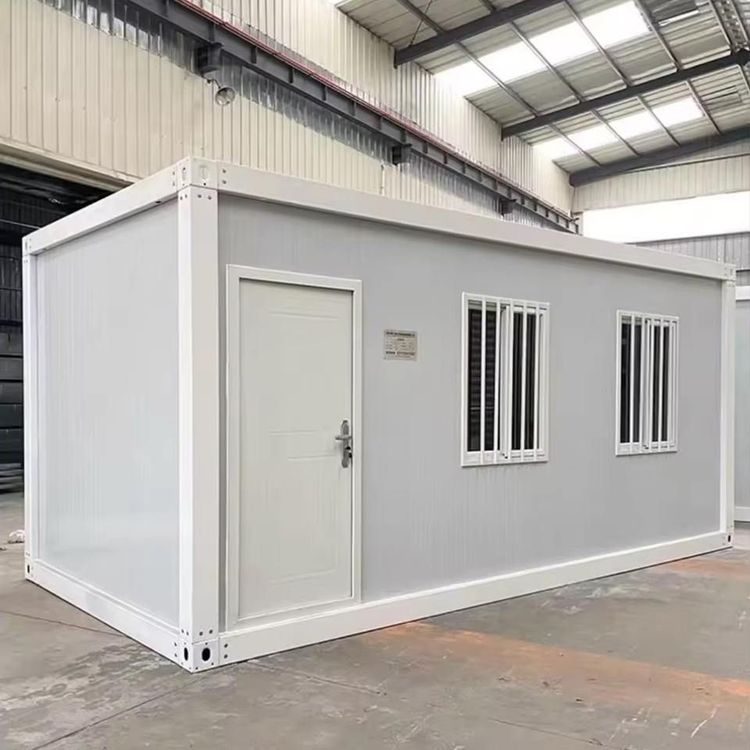
Outdoor Home Mobile Toilet
An outdoor home mobile toilet is a facility that can be moved as a whole and placed at fixed or temporary locations to provide toilet services for the public and customers. It has the advantages of being movable, combinable, and easy to transport.
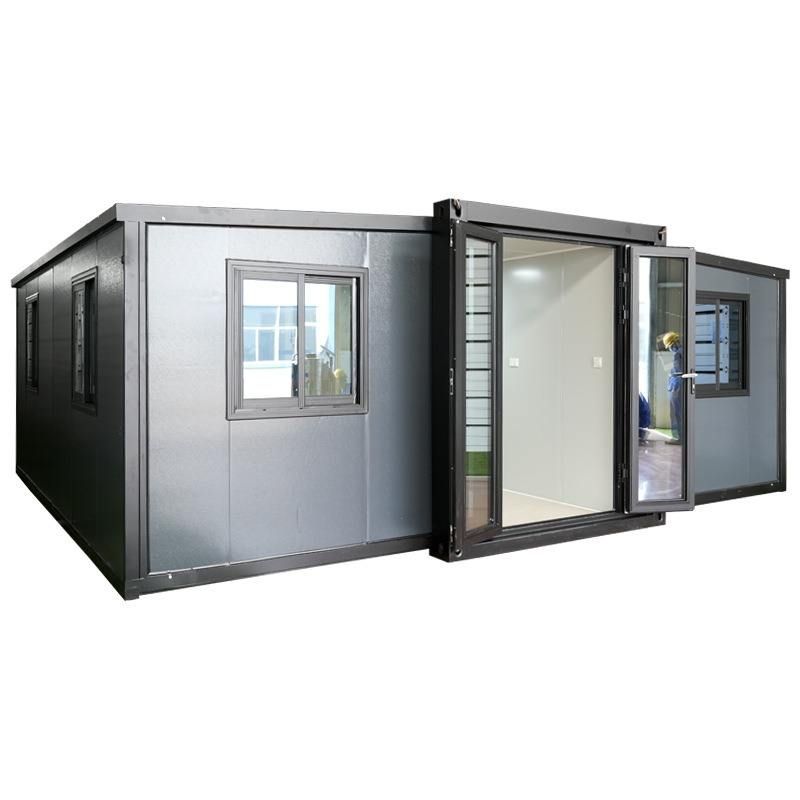
I. Structural Composition A mobile toilet generally consists of a fecal sewage storage tank (or fecal sewage treatment device), floor slab, sanitary ware, walls, washing equipment, water tank, roof, and moving device. Among them, the fecal sewage storage tank is used to collect and treat excrement, preventing direct discharge from polluting the environment. The floor slab needs to be non-slip and easy to clean. Sanitary ware includes toilets or squat pans. The walls and roof provide privacy protection and shelter from wind and rain. Washing equipment such as washbasins and cosmetic mirrors can enhance the user experience. The water tank supplies water for the flushing system. The moving device ensures that the toilet can be moved or hoisted as a whole.
II. Type Classification
- By structural form: Mobile toilets can be divided into single-structure mobile toilets and composite-structure mobile toilets. A single structure usually refers to an independent and complete unit, while a composite structure may be composed of multiple modules.
- By moving method: They include hoisting and handling mobile toilets (relying on lifting equipment or manual handling) and powered and towed mobile toilets (equipped with engines or can be towed by vehicles).
- By sewage treatment method: They are classified into water-flushing and non-water-flushing suction types (relying on water sources for flushing or regularly suctioning excrement), circulating water-flushing types (achieving water resource recycling through filtration and disinfection), and dry-packing types (using biodegradable bags to collect excrement without the need for a water source).
III. Design Features Some mobile toilets focus on combining aesthetics with practicality. For example, they may adopt a pastoral style design, with a ridge-shaped roof topped with thatch, a rain-proof area at the front equipped with public washbasins and cosmetic mirrors, and unified colors for the wall panels and doors to enhance overall coordination. For sites with space limitations, a拼接 (spliced) design can flexibly expand the space by combining two sub-units, which can be used immediately after on-site splicing. A double-layer roof design optimizes thermal insulation and lighting effects by adding an insulation layer (such as gold-carved panels) and translucent windows. At the same time, separate areas for men and women are set up, along with a public washing area, to improve convenience of use.
IV. Application Advantages The core advantage of mobile toilets lies in their flexibility. They can be quickly deployed at temporary events, construction sites, or remote areas, avoiding the long construction period and high cost of traditional toilets. Their modular design supports repeated disassembly and reassembly to adapt to different scenarios. Moreover, the materials are mostly lightweight and durable, facilitating transportation and long-term use.