Outdoor High-End Portable Toilet Door
The outdoor high-end portable toilet door typically employs aluminum alloy profiles paired with hollow tempered glass, designed with a balance of safety, light transmittance, and functionality. The specific features are as follows:

1. Material and Structural Characteristics
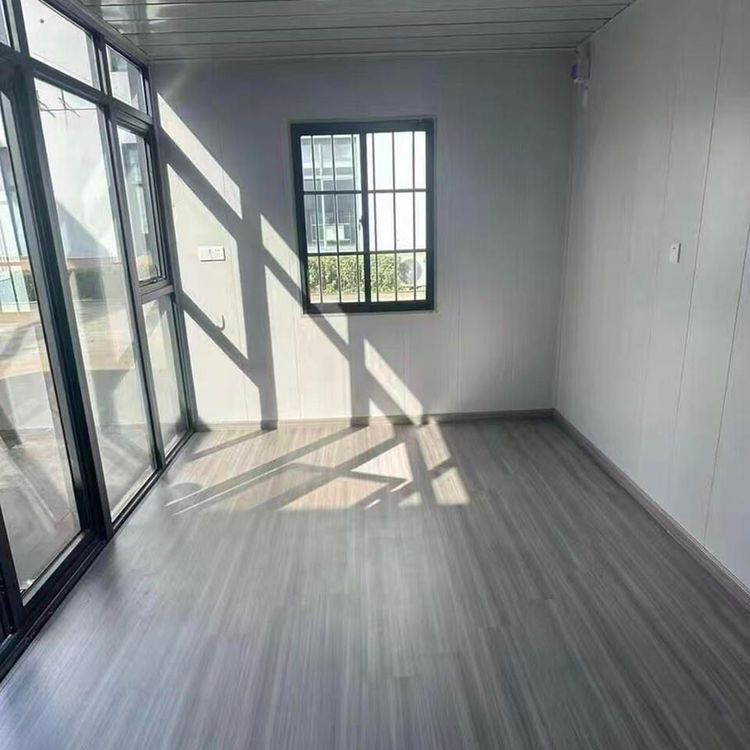
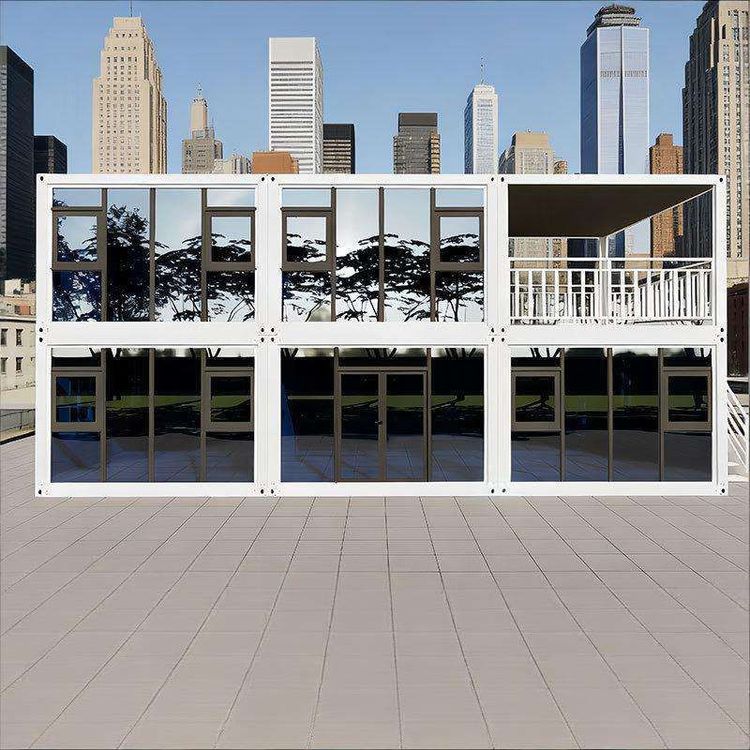
The main frame of the portable toilet is primarily made of steel, with exterior wall materials including galvanized steel sheets, stainless steel sheets, aluminum sheets, or metal carved panels. For doors and windows, aluminum alloy profiles are commonly chosen. Aluminum alloy is lightweight, corrosion-resistant, and strong, making it suitable for long-term outdoor use. Hollow tempered glass, as the core material for the door, achieves sound insulation and heat insulation through a double-layer glass structure. Meanwhile, tempering significantly enhances the glass's impact resistance; even if it breaks, it forms blunt-edged particles, reducing the risk of cuts. This combination ensures both light transmittance inside the toilet, reducing the need for daytime lighting, and overall safety through the stability of the aluminum alloy frame.
2. Type and Functional Adaptation
The design of portable toilet doors needs to be adjusted according to the type of toilet. For example, single-unit portable toilets (suitable for places with dispersed foot traffic) typically use single-leaf swing doors, which are simple in structure and take up little space. Combined portable toilets (modular and can be equipped with sinks, urinals, etc.) may use double-leaf swing doors or sliding doors to accommodate larger foot traffic. Luxury portable toilets (equipped with air conditioning, lighting, exhaust fans, etc.) may have doors with added sealing strips to enhance sound and heat insulation. Portable toilets with barrier-free access must comply with barrier-free design specifications, such as a door width of no less than 900mm, an opening force of no more than 22N, and equipped with low-level door locks and handrails.
3. Customized Design Process
Customized services usually start with communication about needs. The enterprise will design door and window solutions based on the on-site conditions provided by the user (such as space dimensions, usage scenarios, functional requirements, etc.). For example, the 'Tidal Toilet' at Huizhou West Lake Scenic Area optimized space utilization by adjusting the position of the toilet door's top sign, demonstrating the flexibility of customized design. Customization can include the door's dimensions, opening method (swing, sliding, folding, etc.), lock type (mechanical lock, electronic lock), and whether to add ventilation openings or observation windows.
4. Maintenance and Durability
The surface of aluminum alloy profiles is usually treated with anodizing or spraying to form a weather-resistant coating that can withstand ultraviolet rays, rain erosion, and salt spray corrosion, extending the service life. The sealing strips of the hollow tempered glass should be regularly inspected and replaced to prevent air leakage or water ingress. For hardware such as door hinges and locks, stainless steel is recommended to reduce the risk of rust and ensure smooth long-term use.