
Outdoor Container House Restaurant
An outdoor container house restaurant is a distinctive dining space built with containers as the main architectural elements, combining uniqueness and practicality. The following is an introduction from aspects such as design, construction, and application scenarios:
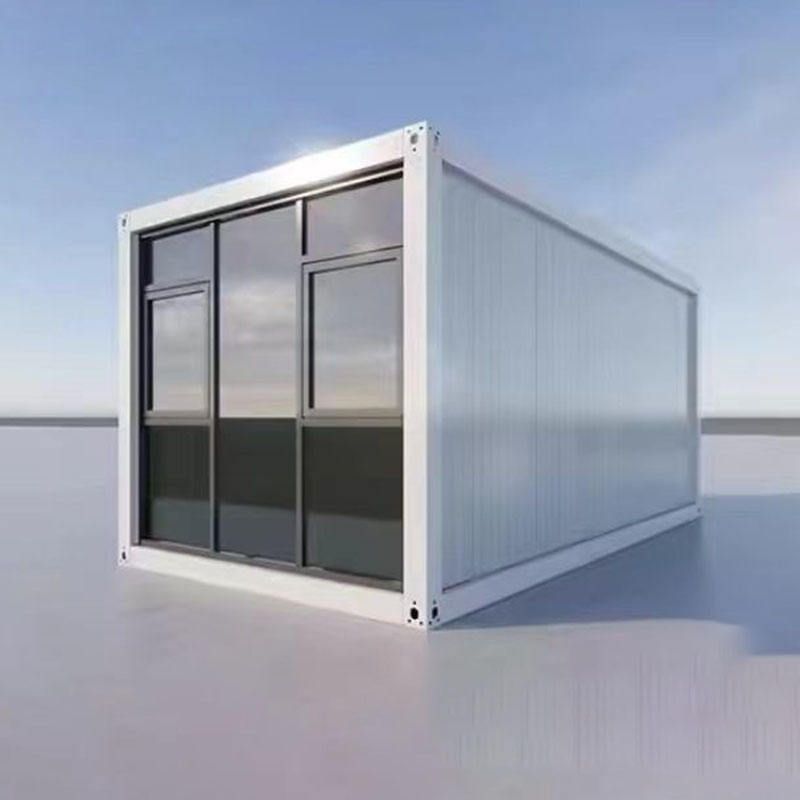
Design: The design of container house restaurants emphasizes integration with the surrounding environment. For example, the container restaurant at the Port of Czerniakowski in the Mokotów district of Warsaw combines the industrial character of containers with the aquatic environment. The steel structure combined with buoys showcases a simple and powerful sense of line beauty, and the floating state adds a light and free atmosphere. Inside, with the theme of travel and exploration, the decorative elements are restrained and minimalist. Large windows bring the water surface and sky into the interior, making the external scenery the main focus and creating an experience of human-nature integration.
Construction: Modular container systems are an ideal choice for constructing dining spaces. They break through the limitations of traditional site selection and construction, enabling rapid realization from design to operation through flexible combination and quick deployment. For instance, a certain store is composed of eight containers, with a total area of about 240 square meters. The modular structure covers storage, production, ordering, and dining spaces. It is equipped with an efficient ventilation and heat recovery system inside, and there are balconies and umbrella seats outdoors to meet different scenario needs. All modules are prefabricated and then transported to the site for installation, which can be completed in nine days, significantly shortening the construction period. It can also form a complete intelligent production chain, ensuring both food quality and rapid expansion.
Application Scenarios: Container house restaurants have a wide range of application scenarios. They can be trendy restaurants or community centers open to the public, emphasizing openness and sharing, allowing people to communicate, relax, and make new friends. At the same time, as a semi-mobile solution, they combine the advantages of temporary and long-term use. After a one-time investment, they can operate stably for a long time and can also be relocated to other locations as a whole when needed, providing greater freedom for the expansion of catering brands.



