
Outdoor Construction Site Temporary Mobile Toilet
The outdoor construction site temporary mobile toilet is a movable facility designed to meet the temporary and phased toilet needs of construction sites. It features convenient transportation and flexible combination, and its type selection, structural composition, and selection principles need to be comprehensively considered based on actual needs.
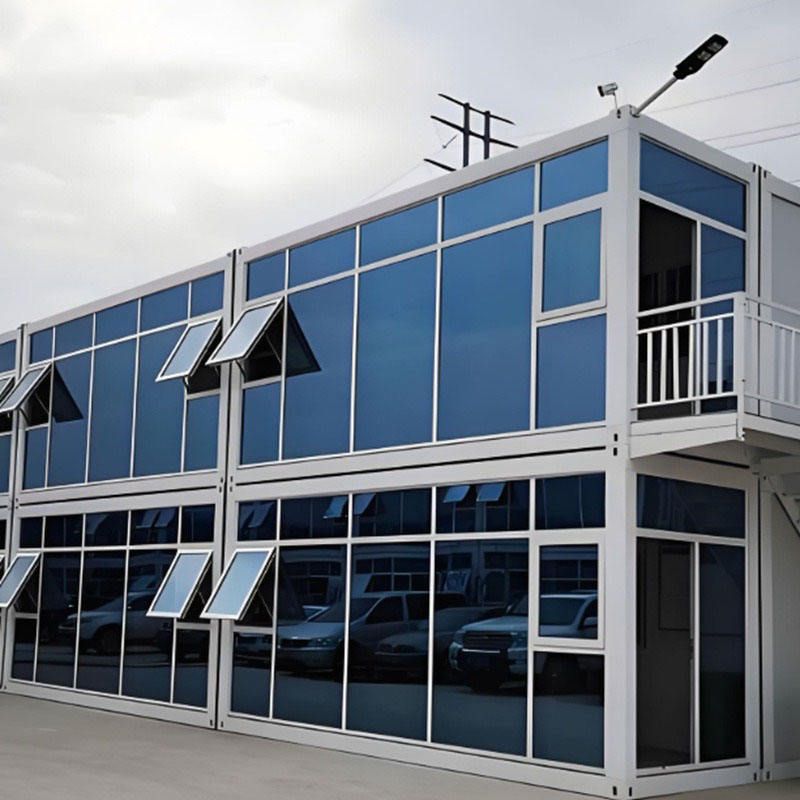
Mobile Methods and Type Selection
According to the characteristics of construction site operations, mobile toilets are divided into two types: lifting and handling type and trailer type. If the construction site frequently changes locations, such as in short-term municipal projects or cross-regional construction, the lifting and handling type should be prioritized. This type of toilet is designed with modularity, allowing for quick assembly and disassembly like building blocks. It can be directly transported as a whole structure using a crane without disassembling parts, offering high efficiency and low cost. If the construction site is located in a large fixed area, such as a large-scale construction site or a long-term construction area, the trailer type is more suitable. It is equipped with wheeled mobile devices at the bottom and can be directly towed by a tractor, suitable for short-distance mobility needs without relying on heavy machinery.
Structural Composition and Sewage Treatment Methods
The core structure of a mobile toilet includes a fecal sewage storage tank (or disposal device), floor, sanitary ware, walls, washing equipment, water tank, roof, and mobile devices. It can be classified into two types based on structural form: single-unit structure (independent unit) and composite structure (multi-unit combination); and four types based on sewage treatment methods:
- Water-flush and non-water-flush suction type: It relies on a water tank for flushing, and sewage is regularly cleaned by suction equipment, suitable for construction sites with sufficient water sources and convenient sewage discharge.
- Circulating water-flush type: It is equipped with a sewage treatment system that purifies wastewater for recycling, reducing water consumption, and is suitable for water-scarce areas or projects with high environmental protection requirements.
- Dry-pack type: It uses degradable bags to collect feces without flushing, achieving zero sewage discharge, suitable for remote construction sites without water sources or sewage discharge conditions.
Selection Principles and Design Considerations
When purchasing or renting, three principles should be followed:
- Mobility: Prioritize lightweight materials (such as high-strength plastics and aluminum alloys), control the height and width of the toilet to adapt to transportation tool limitations, and ensure that the mobile devices are complete and reasonable to ensure safe handling.
- Economic durability: Decide whether to rent or buy based on the construction period: short-term projects are recommended to rent to reduce costs; long-term projects can purchase customized products with materials that are corrosion-resistant and wear-resistant to extend service life.
- Environmental protection and ecology: The sewage treatment method should comply with local environmental protection standards, and priority should be given to circulating water-flush or dry-pack types to reduce pollution; the design should promote humanitarian concepts, ensuring ventilation, lighting, and barrier-free facilities to enhance user comfort.
In addition, composite structure mobile toilets can expand capacity through modular combination to adapt to the needs of construction sites of different scales; wall materials should balance thermal insulation and sound insulation performance to ensure normal use in extreme weather conditions.



